

Iran Issues New Restrictions for Passage Through Strait of Hormuz
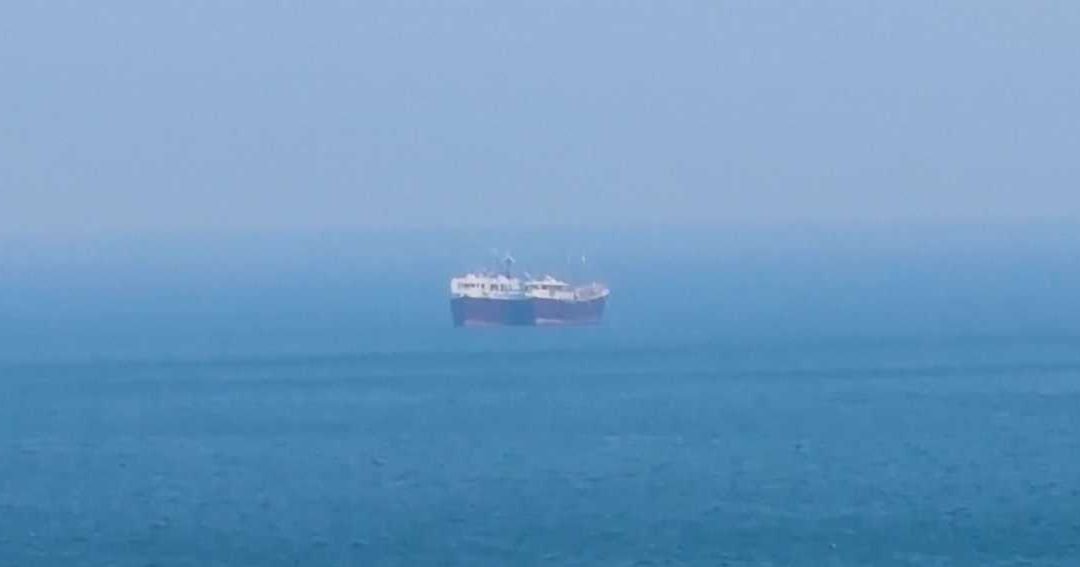
The unified combat command of the Iranian Armed Forces has announced a significant new directive regarding maritime navigation in the Strait of Hormuz. Effective immediately, the military authority has declared that no vessel will be permitted to transit through the strategic waterway without first obtaining explicit authorization from Tehran. This policy shift marks a notable escalation in the ongoing regional dispute concerning the control and regulation of one of the world’s most critical oil transit corridors.
The announcement, issued on Thursday, directly challenges the status quo of international maritime transit in the Persian Gulf. By asserting a requirement for formal permission, Iran is positioning its naval forces to exercise tighter control over the movement of commercial and military traffic through the chokepoint. This move follows a period of heightened friction between Tehran and the United States regarding the security architecture of the region’s vital shipping lanes.
The Strait of Hormuz serves as a primary artery for global energy supplies, with a substantial portion of the world’s seaborne oil passing through its narrow passage daily. The potential for the imposition of such requirements raises critical concerns regarding the freedom of navigation and the stability of maritime security in the Middle East. For international shipping and energy markets, the declaration by the Iranian military command signals a shift toward a more interventionist posture in the management of the strait.
This development is being viewed by geopolitical analysts as a deliberate assertion of authority by Tehran, aimed at challenging foreign naval presence and influence within the Gulf. The declaration specifically targets the ongoing competition over control of this essential maritime passage, emphasizing that Iran considers itself the primary arbiter of regional maritime security. While the command did not provide specific details on the mechanism for requesting such permission or the potential consequences for non-compliance, the nature of the statement underscores the rising stakes in the waterway.
The situation remains fluid as global observers wait to see how international maritime powers, particularly the United States, will respond to these new regulatory demands. The assertion of control by Tehran represents a direct confrontation with the principles of international transit, setting the stage for increased friction in the Persian Gulf. As Iran tightens its monitoring of the strait, the risk of miscalculation or physical confrontation involving naval vessels in the area appears to be increasing. The move solidifies the ongoing struggle for strategic hegemony in the region, with the Strait of Hormuz remaining the primary focal point of military and political maneuvering between the involved powers.