

Sudan’s Political Impasse Deepens Amid Military Leadership Dispute
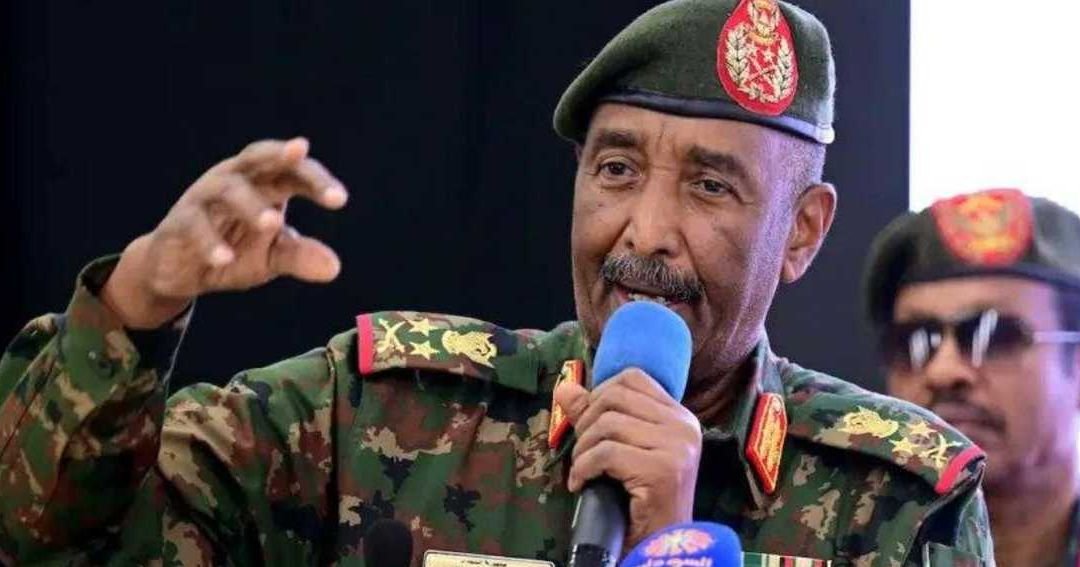
The political landscape in Sudan remains deeply fractured as the military leadership attempts to navigate a path forward amidst a devastating and protracted conflict. General Abdel Fattah al-Burhan, the leader of the Sudanese Armed Forces, recently issued a call for a new political initiative, a move that has been met with immediate and vocal opposition from various civilian and political factions within the country.
The initiative, announced by the military command, has been widely interpreted by critics as an attempt to consolidate power and grant a veneer of legitimacy to the existing military administration. For many civilian observers, the proposal serves not as a bridge toward democratic transition, but as a strategic maneuver to rearrange political alliances while effectively positioning the military leadership to maintain its hold on the state. By centralizing the transition process under his own direction, al-Burhan has drawn sharp criticism from stakeholders who argue that such efforts are designed to sideline genuine civilian-led democratic processes.
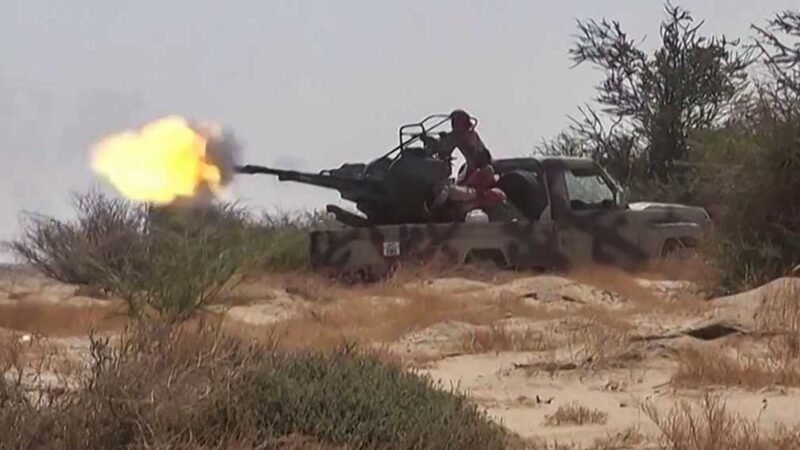
This latest political development comes at a time when Sudan is grappling with a severe and escalating humanitarian catastrophe. The ongoing hostilities have crippled infrastructure, displaced millions, and left a significant portion of the population facing acute food insecurity. Despite the urgent need for a cessation of hostilities, no comprehensive agreement has been reached to stop the fighting. The failure to secure a sustainable ceasefire remains the primary obstacle to the delivery of humanitarian aid and the stabilization of the country’s shattered economy.
Opposition to al-Burhan’s initiative reflects a profound lack of trust between the military and the civilian sectors that were once partners in the transitional government. Civil society groups and political coalitions have expressed skepticism regarding the motives behind the proposal, viewing it as an attempt to re-establish the influence of former regime loyalists and Islamists within the state apparatus. This concern has intensified the polarization within the country, as different factions continue to dispute the legitimacy of the military’s role in governing the nation during wartime.
As the conflict persists, the disconnect between the military’s political overtures and the reality on the ground continues to widen. International observers have long emphasized that a durable solution requires inclusive dialogue that transcends narrow military interests. However, as it stands, the proposed initiative appears to be exacerbating internal divisions rather than fostering national reconciliation. The path to resolving Sudan’s crisis remains blocked by the absence of a unified political vision and a refusal on the part of military leadership to cede the governance roles that have defined their involvement since the onset of the current conflict. For now, the people of Sudan remain caught between the escalating violence on the battlefield and a political process that many believe fails to address the root causes of the nation’s suffering.