

Iran Imposes Selective Transit Policy in Strait of Hormuz
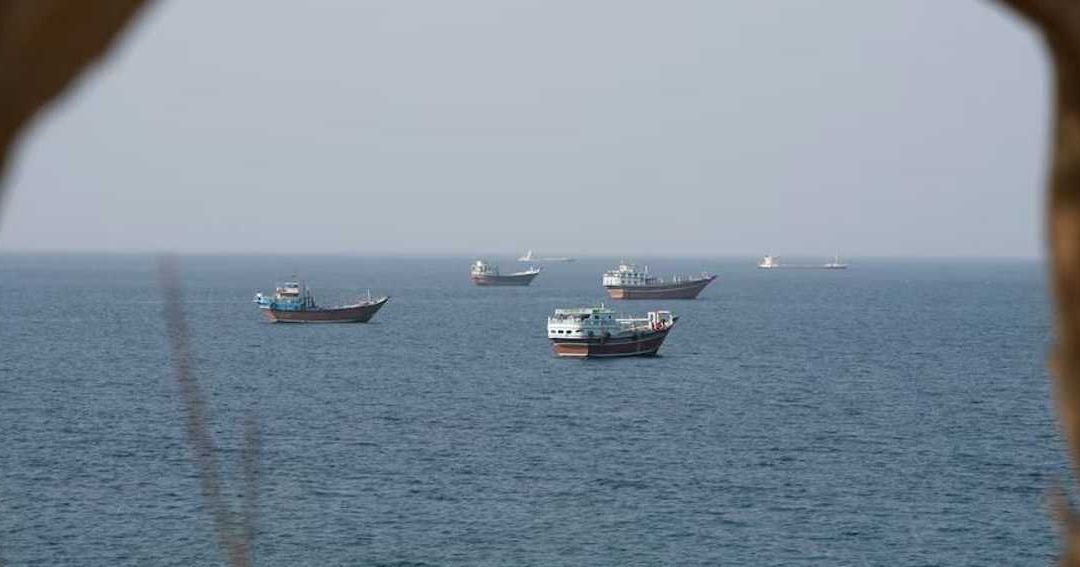
Tehran is moving to consolidate a policy of selective transit within the Strait of Hormuz, a critical maritime chokepoint that serves as a primary artery for global energy supplies. The strategy, which is currently being operationalized by Iranian authorities, shifts away from international maritime norms by requiring vessels to obtain explicit authorization from Iran before proceeding through the waterway.
Under this emerging framework, Iranian officials have indicated that ships granted transit permission will be allowed passage, while those attempting to navigate the strait without prior approval face the risk of targeted intervention. This approach signals a significant escalation in Tehran’s efforts to exert regional influence and challenge the existing international maritime order enforced by the United States and its allies. By asserting unilateral control over access to the strait, Iran aims to leverage its geographic position to pressure the international community and influence regional security dynamics.
This policy represents a calculated attempt by Tehran to reframe the rules governing one of the world’s most vital maritime passages. By conditioning transit on compliance with its own mandates, Iran is effectively transforming the waterway into a theater for testing the commitment of Western naval forces to freedom of navigation. The development highlights a deepening impasse between Iran and the international community regarding the management of transit corridors in the Persian Gulf.
Security analysts observe that this enforcement of selective transit is not merely a bureaucratic measure but a security posture. The threat to target vessels that do not adhere to these requirements underscores a readiness to utilize military or semi-military means to uphold this new protocol. This stance directly confronts the long-standing international consensus that the Strait of Hormuz constitutes international waters where unimpeded passage for commercial shipping is a prerequisite for global economic stability.
For international shipping companies and regional stakeholders, the policy creates a climate of uncertainty and heightened risk. As Iran attempts to impose its authority on the waterway, the maneuver places renewed pressure on the United States and other international stakeholders to maintain, or conversely, concede to the evolving maritime landscape. The strategy serves as a clear indication that Tehran is prepared to utilize its control over vital chokepoints as a primary tool of statecraft in its broader confrontation with international powers, particularly the United States. As the situation develops, the ability of global energy markets to rely on the stability of this corridor will likely remain a focal point of geopolitical tension in the region.