

Israeli Military Strikes Target Multiple Areas in Southern Lebanon
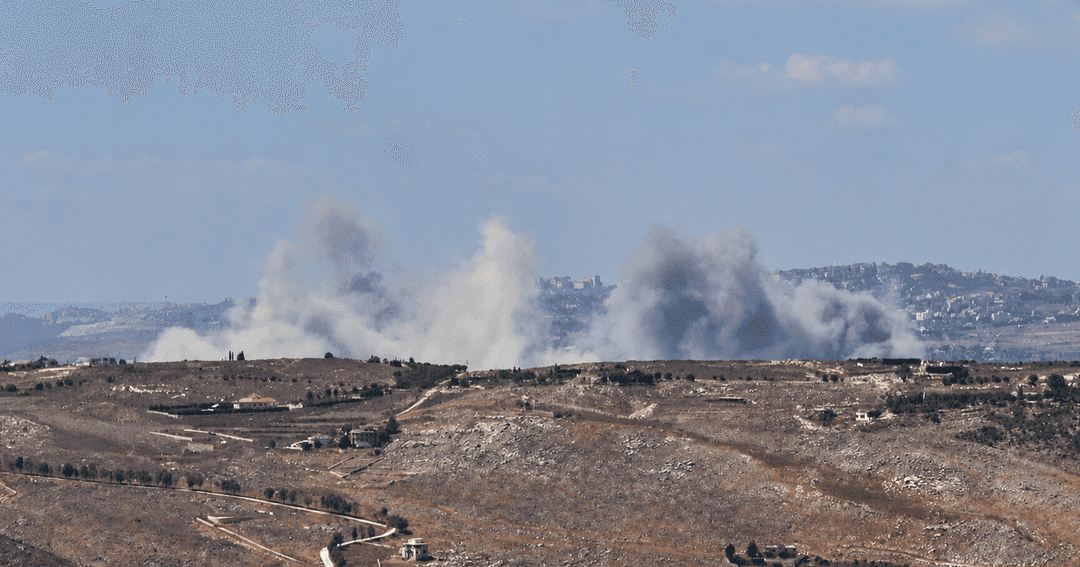
Southern Lebanon experienced a heightened state of military volatility on Wednesday as Israeli forces launched a series of coordinated strikes across multiple sectors of the region. The escalation, characterized by a combination of precision air raids, sustained artillery bombardment, and controlled detonations, has significantly increased tensions along the border area.
According to initial reports from the field, the military operations spanned several locations in the southern territory, marking a sharp intensification in activity. While the intensity of the engagement was notable, local officials and observers noted that there have been no immediate reports of human casualties or injuries resulting from the targeted strikes. The impact on infrastructure and civilian property in the affected areas remains under assessment as local authorities and emergency responders continue to monitor the situation.
This latest flare-up follows a period of persistent instability in the region, which has seen near-daily exchanges and security incidents. The tactical nature of Wednesday’s strikes—utilizing both aerial support and ground-based artillery—highlights a broad approach to the ongoing security challenges in the border zone. The use of specialized explosive operations in addition to conventional shelling marks a significant tactical development in the current operational environment.
Residents in the affected districts reported the sounds of aircraft overhead throughout the day, followed by the heavy thud of artillery rounds impacting rural and semi-populated areas. In many villages across the south, the security environment has led to restricted movement and widespread anxiety, as communities remain in a state of high alert. The situation on the ground remains fluid, with both local and international observers closely tracking the potential for further escalations in the coming hours.
For Lebanon, the events on Wednesday represent another chapter in the long-standing volatility characterizing the southern frontier. The region, which serves as a critical buffer zone, continues to be the primary theater for these ongoing security developments. While there has been no official statement regarding the specific strategic objectives behind this particular surge in military activity, the scale and scope of the engagement indicate a significant effort by the Israeli military to address security concerns through active field operations.
As the day progressed, the focus remained on the aftermath of the bombardment and the potential for a diplomatic or security response from relevant actors. For now, the border region remains in a state of heightened tension, with the absence of casualty figures providing only a small measure of relief in an otherwise volatile security landscape. Future developments will depend heavily on the strategic calculations of the parties involved, as they navigate the fragile status quo that persists along the southern Lebanese border.