

US Targets Iran’s Digital Funding Networks Supporting IRGC
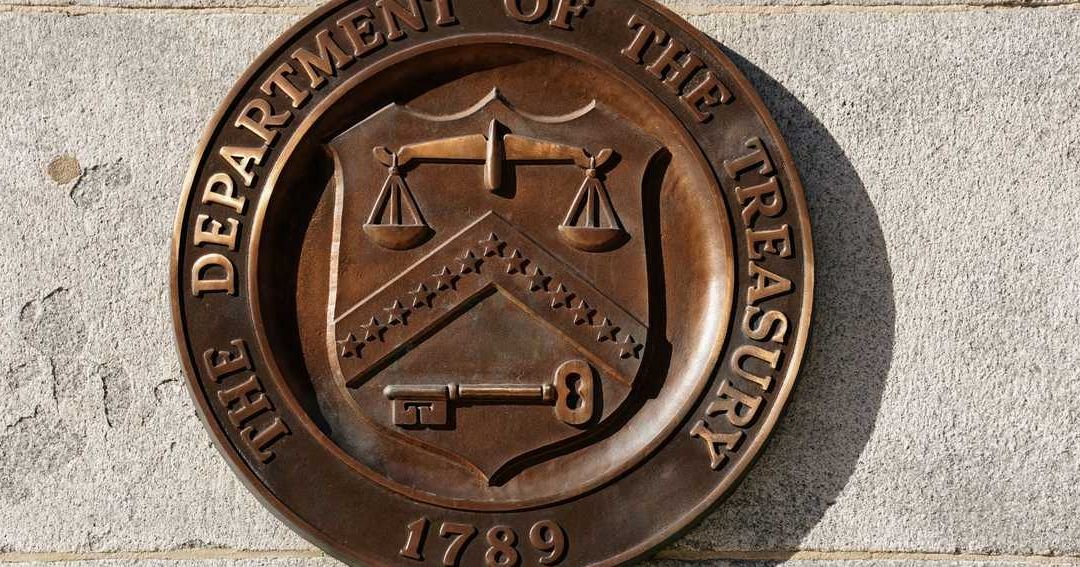
The United States Department of the Treasury has announced a new round of sanctions targeting the digital financial infrastructure allegedly used to fund Iran’s Islamic Revolutionary Guard Corps (IRGC). The punitive measures focus on an Iranian digital asset platform known as ‘BitBank,’ as well as its software development firm and three key individuals accused of operating the network.
According to the Treasury, the sanctioned entities have played a central role in circumventing existing international financial restrictions. The department alleges that these actors successfully facilitated the movement of hundreds of millions of dollars in Bitcoin, effectively funneling critical resources to the IRGC. By leveraging digital assets, the network sought to bypass the traditional global banking system, which remains heavily restricted under current sanctions regimes aimed at curbing the activities of the Iranian paramilitary organization.
The designation of BitBank underscores a growing trend in international efforts to monitor and disrupt the intersection of cryptocurrency markets and state-sponsored illicit financing. US authorities have increasingly prioritized the surveillance of digital platforms that provide a veneer of legitimacy to transactions involving designated entities. By targeting both the software developers behind the platform and the facilitators managing the cryptocurrency flow, Washington aims to dismantle the infrastructure that enables the IRGC to monetize assets despite widespread economic isolation.
This move comes as part of a broader, sustained campaign by the United States to limit the fiscal reach of the IRGC, which operates independently of the formal Iranian military and holds significant influence over the country’s economic and regional security interests. The Treasury emphasized that such digital networks constitute a significant threat to international financial integrity, as they provide a direct pipeline for the IRGC to acquire funding for its various operations, which Washington contends are destabilizing in nature.
The sanctions effectively freeze all assets belonging to the named individuals and the associated corporations that fall under US jurisdiction. Furthermore, the action serves as a strong warning to other international digital exchanges that may inadvertently or intentionally serve as conduits for similar transactions. The Treasury’s move reflects a strategy of ‘following the money’ into the digital realm, as it continues to apply maximum economic pressure on Tehran.
Analysts have noted that as digital currencies become more integrated into the global economy, the challenge of enforcing traditional state-based sanctions grows significantly. The identification of this specific network highlights the technical complexity of modern financial warfare and the persistent efforts by the IRGC to secure alternative, non-traditional funding mechanisms to sustain its operations. The US government has indicated it will continue to aggressively pursue and expose entities that provide technical and financial support to the IRGC, regardless of the medium through which those assets are transferred.