

Iran Awaits US Response to Seven-Day Ceasefire and Hormuz Proposal
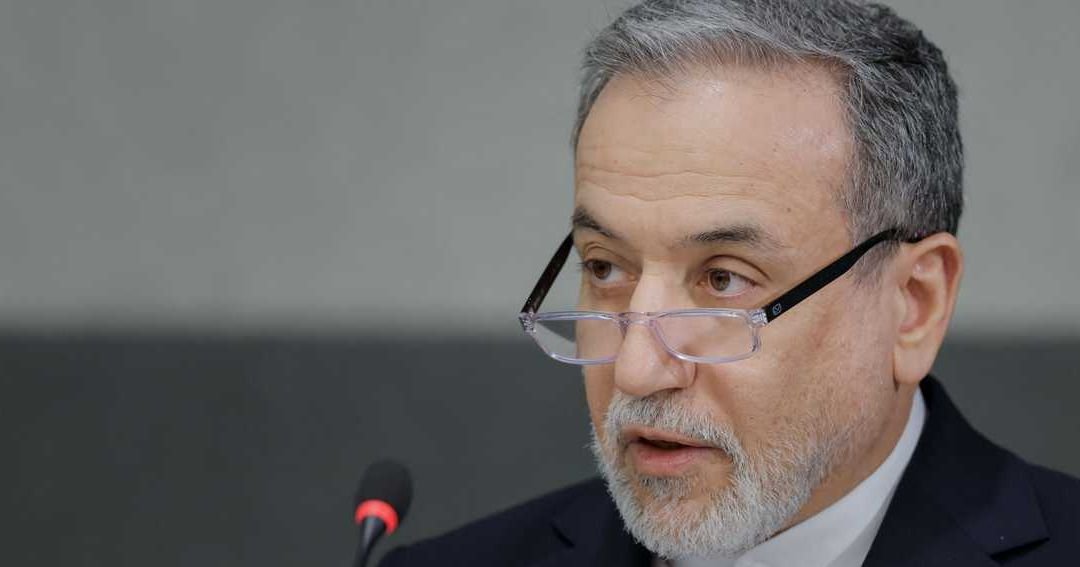
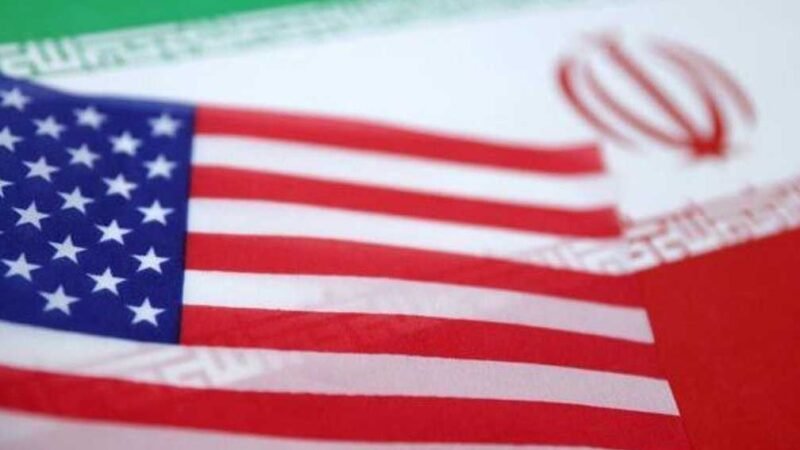
Iranian Foreign Minister Abbas Araghchi has confirmed that Tehran remains in a state of anticipation, awaiting a response from Washington via intermediaries regarding a diplomatic proposal aimed at regional stabilization. The proposal, framed by Iranian officials as an initiative for a ‘seven-day’ ceasefire, also includes specific provisions for the reopening and normalization of maritime traffic through the Strait of Hormuz.
Despite the overture, the diplomatic landscape remains complicated by the public stance of US President Donald Trump. Although the White House has signaled a rejection of the plan through official channels, the Iranian government maintains that it is continuing to engage with regional mediators to receive a formal and direct response to the specific technical and security elements of its proposal. Tehran emphasizes that the initiative is intended to de-escalate tensions that have periodically threatened international shipping routes and energy security in the Persian Gulf.
The Strait of Hormuz remains one of the world’s most critical maritime chokepoints, through which a significant portion of the global supply of oil and liquefied natural gas must pass. Iran’s inclusion of the waterway in its diplomatic proposal suggests an attempt to link the broader regional security situation with the functional demands of energy transit. By offering to address issues surrounding the strait, Tehran appears to be testing the willingness of the incoming US administration to engage in a structured dialogue regarding regional security architecture.
Foreign Minister Araghchi’s remarks underline the persistence of Iranian diplomacy even in the face of challenging rhetoric from the United States. While President Trump has publicly dismissed the viability of the proposal, Tehran is seemingly attempting to maintain the relevance of its diplomatic track, signaling to regional allies and international stakeholders that it is prepared to discuss terms for a de-escalation of regional military and political friction.
The current impasse highlights the significant disconnect between the diplomatic objectives of the two nations. While Washington has focused on maintaining a policy of maximum pressure, Tehran’s pursuit of a mediated resolution through the seven-day proposal suggests an effort to shift the current strategic paradigm. The international community, particularly nations heavily reliant on energy flows through the Gulf, continues to monitor these developments closely, given the potential for any escalation to disrupt global energy markets and regional stability. For now, the proposal sits in a state of diplomatic limbo, with Tehran officially holding its position until a definitive response is communicated through the established diplomatic channels.