

Muqtada al-Sadr Dissolves ‘Promised Day’ Brigade
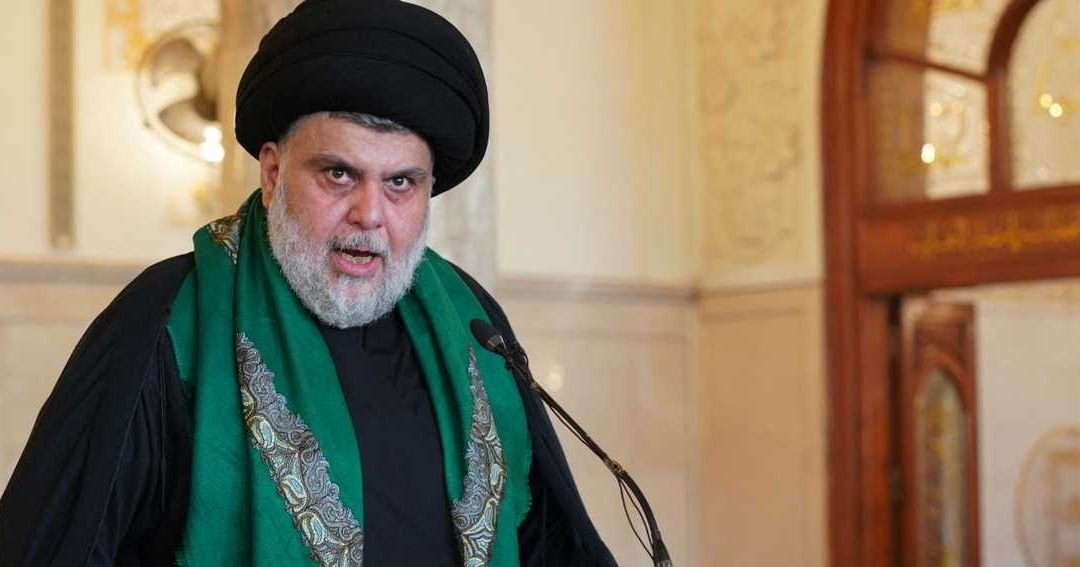
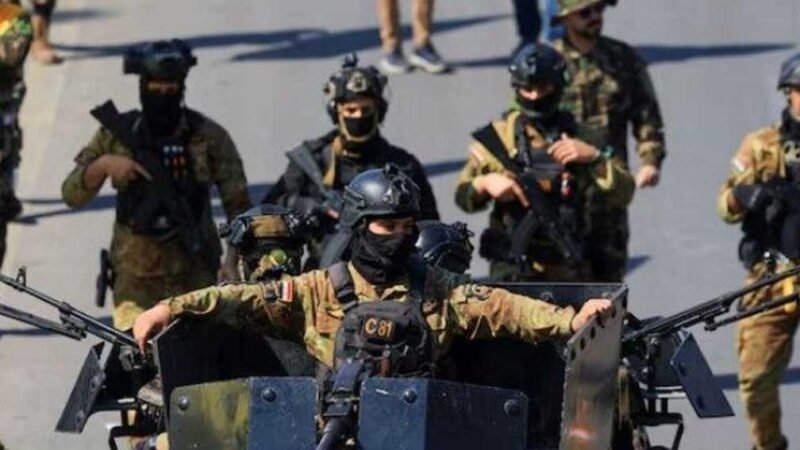
Muqtada al-Sadr, the influential Iraqi cleric and leader of the Sadrist movement, has officially announced the immediate dissolution of the ‘Promised Day’ brigade. The move marks a significant shift in the internal security landscape of Iraq as the country adjusts to the departure of United States military forces.
In a formal statement issued on Wednesday, al-Sadr confirmed that the ‘Promised Day’ brigade, which had operated as a prominent Shia militia, would be disbanded. Furthermore, the cleric announced that the ‘Imam Army’—another faction associated with his movement—will be reorganized and rebranded as a civil-focused entity under the title ‘Ansar al-Imam al-Mahdi’ (Supporters of the Imam Mahdi). This transition suggests a shift away from militant activity toward a more organizational and potentially social or religious structure.
The timing of the announcement is noteworthy, as it coincides with the conclusion of the American military mission in Iraq. By taking this step, al-Sadr is positioning his movement to align with the evolving political and security realities of the post-occupation era. Central to his message is a call for the centralization of national security, with the cleric explicitly urging for all weaponry in the country to be brought under the sole authority of the Iraqi state.
Beyond the dissolution of the brigades, the statement underscored the importance of providing full support to Iraq’s national security forces. By advocating for a state-monopoly on the use of force, al-Sadr’s directive addresses long-standing concerns regarding the proliferation of armed groups outside the formal chain of command. Political analysts observe that this move could be seen as an effort to bolster the legitimacy of the Iraqi government and its official security apparatus during a critical period of transition.
The Sadrist movement has long been a powerful force in Iraqi politics, and this decision is expected to have significant repercussions on the balance of power within the country. While the ‘Promised Day’ brigade had been a symbol of resistance in previous years, its formal disbandment reflects a strategic pivot by al-Sadr. Whether this transition will effectively lead to the broader disarmament of other non-state actors in Iraq remains a central question for observers of the region’s security architecture. The move is widely viewed as a signal that the movement intends to engage more deeply within the framework of state institutions as Iraq moves into a new phase of its political development following the withdrawal of foreign combat troops.