Southern Transitional Council Calls for Public Mobilization in Yemen
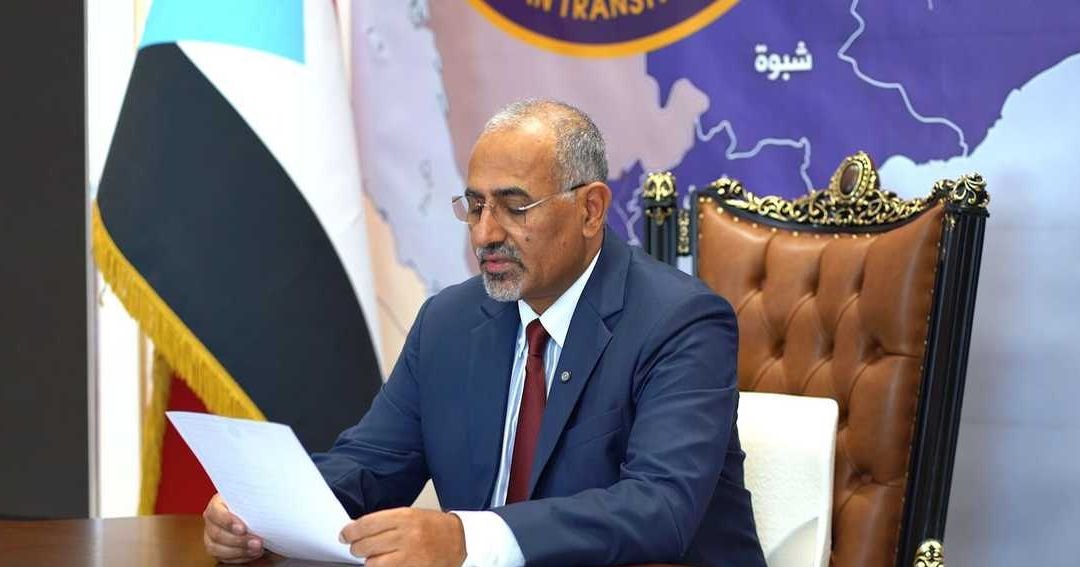
Aidarous al-Zoubaidi, the head of the Southern Transitional Council (STC), has officially declared a state of general mobilization to defend the interests of the south and its national liberation project. This strategic move marks a significant development in the ongoing political and security landscape within Yemen, reflecting the council’s ongoing commitment to its governance objectives.
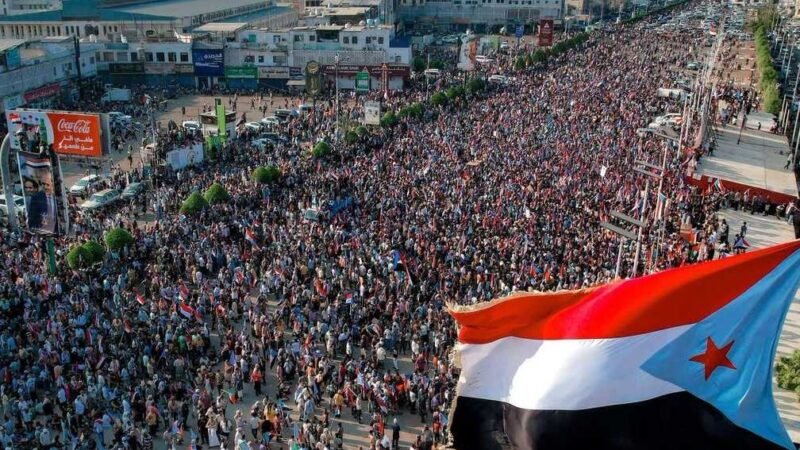
As part of this directive, the STC leadership has called upon the public to participate in a massive popular gathering scheduled for Wednesday, October 14. This event, which has been labeled the “Million-Man General Mobilization,” is intended to serve as a platform for demonstrating broad public support for the STC’s political platform. The call to action is explicitly framed by the council as a necessary measure for the defense and promotion of their vision for the southern territories.
The announcement highlights the deep-seated political divisions that continue to characterize the environment in Yemen. By designating October 14—a date historically significant in the context of the Yemeni struggle for independence—as the day for the planned mass mobilization, the STC aims to leverage national sentiment to consolidate its influence. The call for a “million-man” demonstration is a clear effort to project strength and demonstrate the scale of the popular mandate the council believes it commands in the southern regions.
For the leadership of the Southern Transitional Council, this mobilization is not merely a symbolic gesture but a tactical step in their broader efforts to assert control and define the future political structure of the south. The emphasis on “defense” within the mobilization declaration underscores the security-centric view that the council holds regarding the current Yemeni transition and the regional stability of the area.
Observers of the Yemeni political scene see this call as a direct response to the mounting pressure the council faces as it seeks to maintain its position as a primary political actor. The mobilization is set to draw significant attention from both domestic and regional stakeholders, as any large-scale gathering in the current climate carries implications for the broader stability of Yemen. As the scheduled date approaches, the focus remains on how this public display of mobilization will influence the council’s bargaining power and its ability to secure its stated objectives within the framework of the ongoing Yemeni crisis.
While the STC continues to emphasize its dedication to the liberation project, the move signals an intensification of the rhetoric surrounding the country’s fractured governance. By mobilizing the populace, al-Zoubaidi is signaling to other Yemeni factions and regional observers that the STC is prepared to utilize grassroots support as a pillar of its political and military strategy. Whether this mobilization will lead to a shift in the status quo remains a central question for those monitoring the evolution of the conflict in Yemen.