US Central Command Rejects Iranian Claims Over Strait of Hormuz
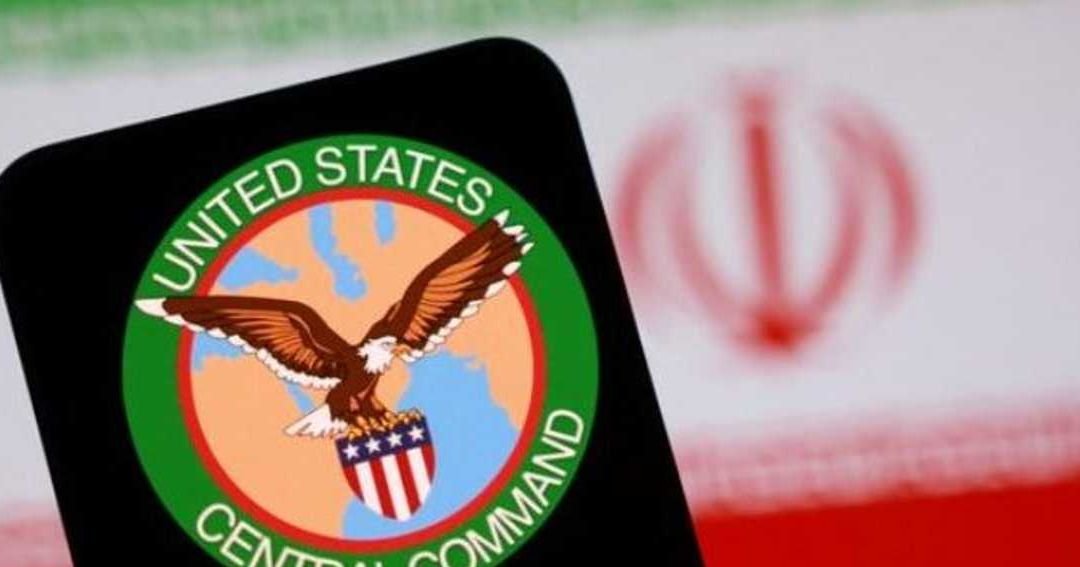
The United States Central Command (CENTCOM) has formally refuted recent claims made by a high-ranking official within the Islamic Revolutionary Guard Corps (IRGC) regarding the security and control of the Strait of Hormuz. The military command characterized the assertions, which suggested that Tehran holds complete authority over the vital maritime chokepoint, as entirely without merit.
The exchange highlights the ongoing geopolitical tensions surrounding one of the world’s most critical energy transit corridors. The Strait of Hormuz, located between Oman and Iran, serves as the primary gateway for a significant portion of the world’s daily oil production. Any disruption in the transit of vessels through these waters carries profound implications for global energy markets and regional security, factors that have long kept the waterway at the center of US-Iranian strategic friction.
The IRGC commander’s remarks, which claimed full Iranian oversight of the strait, appeared to be part of a broader posture regarding the Islamic Republic’s maritime influence in the Persian Gulf. By labeling the comments as a “false claim,” CENTCOM has reaffirmed the U.S. commitment to ensuring the freedom of navigation and the uninterrupted flow of commercial traffic through international waters. The U.S. military maintains a persistent presence in the region to counter activities that it deems threatening to maritime security and the stability of its regional partners.
Historically, the strait has been a frequent theater for confrontations, with the IRGC often signaling its capacity to influence shipping lanes. The U.S. response underscores the policy of the Department of Defense to consistently challenge rhetoric that suggests the maritime corridor is under the exclusive control of any single actor. This diplomatic and military rebuttal serves to clarify the U.S. stance that the passage remains an international waterway, subject to the laws and norms governing maritime traffic.
The tension over the Strait of Hormuz remains a defining feature of the security environment in the Middle East. As both nations continue to project power through naval exercises and assertive rhetoric, the maritime security architecture of the Persian Gulf remains delicate. CENTCOM’s rejection of these specific claims underscores the necessity of maintaining clear lines of communication and deterrence to prevent miscalculations that could lead to broader regional instability.
While the IRGC maintains that its presence in the region is defensive, the U.S. military views such statements as attempts to assert illegitimate control over international shipping lanes. The situation continues to be monitored closely by international observers concerned with the potential for escalation in a region already grappling with multifaceted security challenges.