Netanyahu Rules Out Imminent Military Strike on Iran
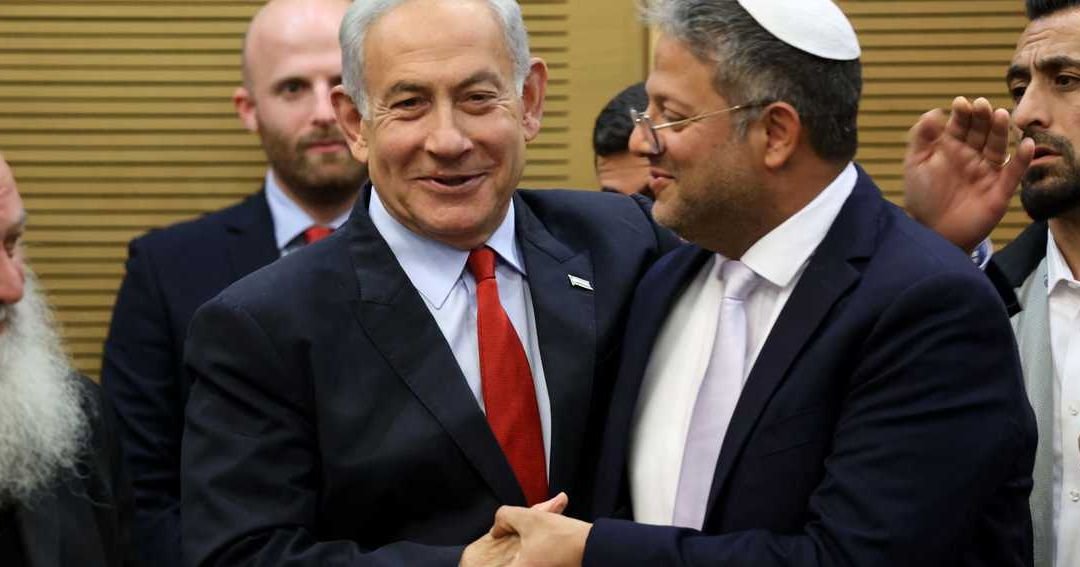
Israeli Prime Minister Benjamin Netanyahu has officially declared his opposition to initiating a military offensive against Iran in the coming days. The announcement, delivered as the country prepares for critical parliamentary elections, aims to clarify the government’s security posture amid heightened regional tensions.
While speculation regarding potential preemptive actions against Iranian nuclear or military infrastructure frequently surfaces in regional discourse, Netanyahu’s statement serves as a definitive signal to domestic and international observers that no such operation is planned for the immediate term. The Prime Minister’s remarks appear intended to provide a measure of stability during the sensitive pre-election period, as political parties across the spectrum navigate the complexities of national security and foreign policy in their campaign platforms.
Historically, the prospect of military engagement between Israel and Iran has remained a central concern for regional security analysts. Iran’s influence and its support for various regional actors make any potential shift in Israeli policy a matter of significant interest. By explicitly ruling out an imminent strike, the Israeli leadership is attempting to manage the security narrative during a time when domestic political considerations are at the forefront of public consciousness.
The statement also addresses broader concerns regarding regional stability, as any direct conflict between the two nations would likely have immediate and severe consequences for the wider Middle East. Despite the stated opposition to an imminent strike, the Israeli government continues to maintain its long-standing position regarding the necessity of preventing Iran from achieving capabilities that it deems an existential threat. However, the current emphasis remains on diplomacy and strategic patience, rather than kinetic military action, particularly as the nation heads to the polls.
Observers note that such declarations are not uncommon in the lead-up to Israeli elections, where candidates often balance the need to appear firm on security with the preference to avoid large-scale regional instability. The intersection of domestic electoral dynamics and long-term geopolitical strategies remains a defining feature of the current environment in the region. As the election date approaches, the focus remains on the internal political process, with the government signaling a preference for maintaining the status quo regarding its military operations against Iran.
The international community, which closely monitors the strategic balance between Israel and Iran, will likely view this development as a temporary cooling of rhetoric. Nevertheless, the underlying tensions that define the relationship between the two nations remain unresolved, and the long-term trajectory of their strategic competition continues to be a focal point for regional security policy and international diplomacy.