Arab and Muslim Nations Condemn Colombia’s Jerusalem Embassy Opening
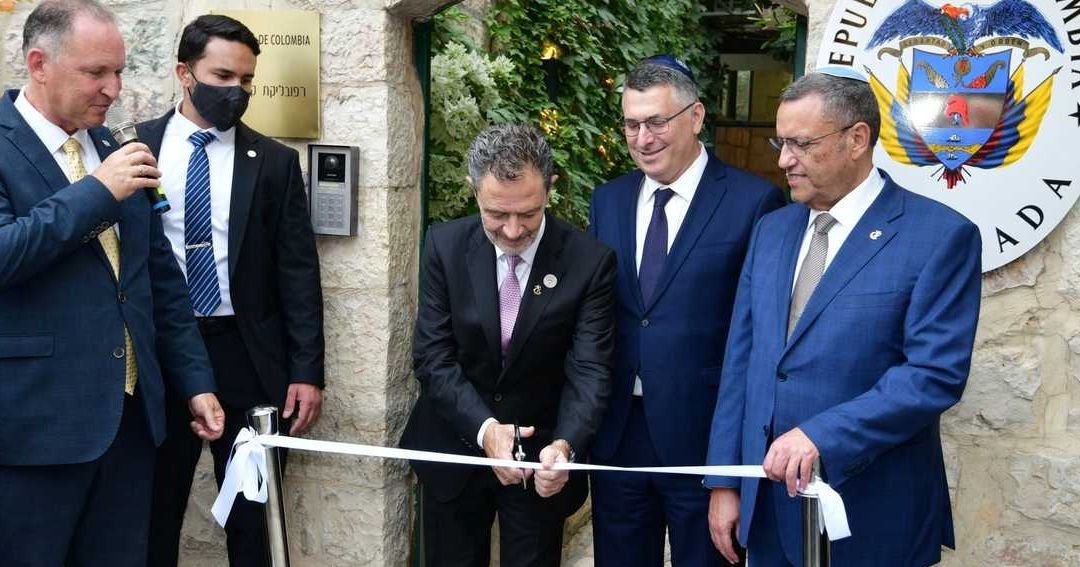
A significant diplomatic development has drawn sharp criticism across the Arab and Islamic world following the announcement that Colombia has officially opened its embassy to Israel in Jerusalem. The move, which was confirmed on Wednesday, has triggered a series of formal condemnations from various regional governments and organizations that view the status of the city as a core component of the Palestinian-Israeli conflict.
For decades, the international consensus regarding Jerusalem has been that its status remains a final-status issue to be resolved through direct negotiations between the parties. While Israel considers the city its undivided capital, the Palestinian leadership maintains that East Jerusalem serves as the rightful capital for a future independent Palestinian state. Consequently, the vast majority of the international community has historically maintained their embassies in Tel Aviv to avoid preempting the outcome of peace talks or appearing to recognize Israeli sovereignty over the contested city.
Regional stakeholders have characterized Colombia’s decision as a deviation from this long-standing diplomatic norm. Statements issued by several Arab and Muslim states emphasized that such actions undermine the prospects for a two-state solution and violate international legal frameworks governing the status of Jerusalem. The collective response underscores the sensitivity of the issue, with many regional capitals reaffirming their commitment to the Palestinian cause and the necessity of reaching a comprehensive, just, and lasting peace.
The diplomatic reaction serves to highlight the broader regional stance on the issue of Jerusalem, a city that holds deep religious, historical, and political significance for millions across the Middle East. For many observers, the decision by a South American nation to relocate its diplomatic mission reflects a shift in global alliances, yet it faces staunch opposition from regional actors who remain wary of any unilateral actions that might solidify Israel’s control over the entirety of the city.
As the condemnations continue to resonate, the development underscores the ongoing diplomatic friction surrounding the international recognition of Jerusalem. For the governments and regional bodies involved, the focus remains on ensuring that bilateral diplomatic movements do not jeopardize the foundational principles required for regional stability and the eventual realization of Palestinian national aspirations. The unified nature of the current regional response demonstrates that despite other shifts in geopolitical alliances, the status of Jerusalem remains a unifying and non-negotiable priority for the Arab and Islamic world in their engagement with the international community.