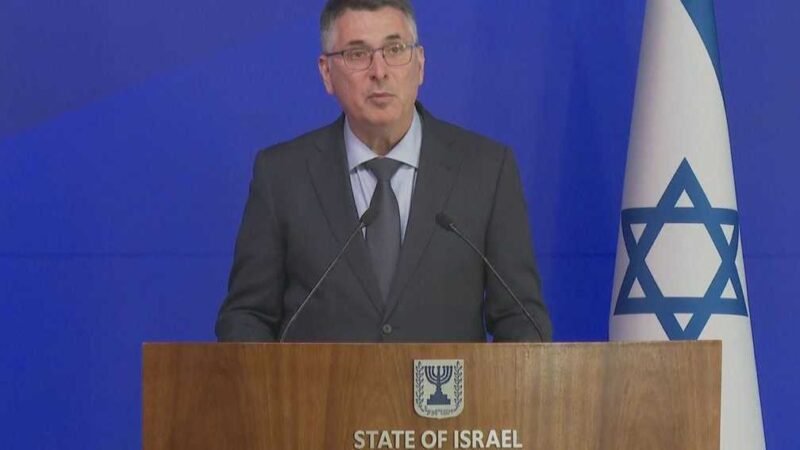


Netanyahu Outlines Future Cabinet Role for Itamar Ben-Gvir
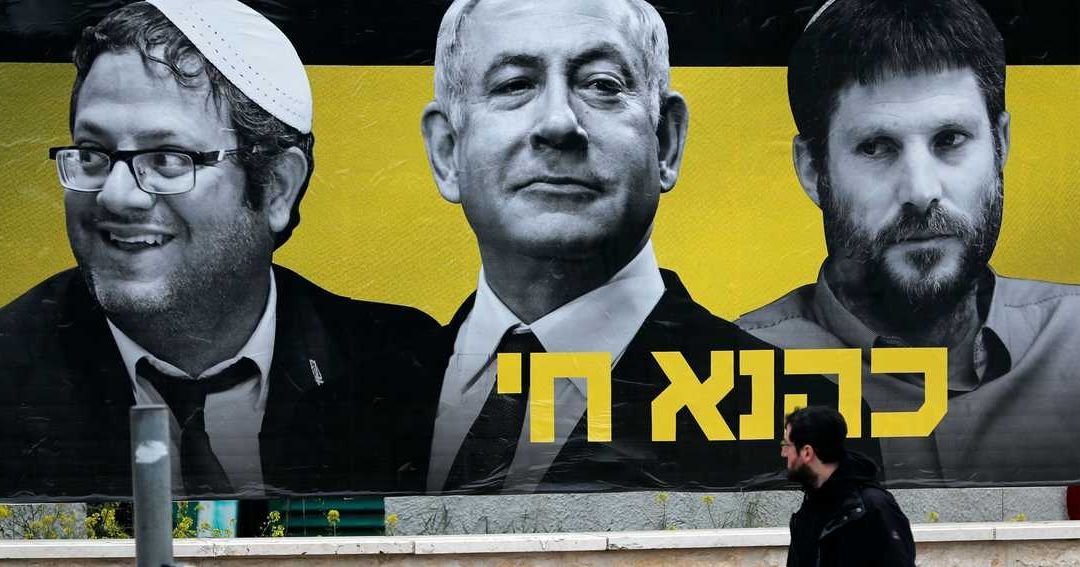
Israeli Prime Minister Benjamin Netanyahu announced on Monday that Itamar Ben-Gvir, the leader of the far-right Otzma Yehudit party, is set to occupy a senior ministerial role in the upcoming government. The announcement comes as political maneuvers intensify ahead of the general elections currently slated for October 27.
Netanyahu confirmed that in the event of a successful election bid, Ben-Gvir—who currently serves as the Minister of National Security—will be appointed to a “senior” cabinet position. The designation underscores the ongoing political alliance between Netanyahu’s Likud party and Ben-Gvir’s far-right faction, which has been a pivotal component of the current ruling coalition’s stability.
Ben-Gvir, known for his hardline nationalist stance, has maintained a significant influence over Israel’s internal security policies since joining the government. His tenure as Minister of National Security has been marked by a focus on expanding police powers and taking a more aggressive posture regarding security challenges. By publicly committing to a prominent role for Ben-Gvir in his future administration, Netanyahu appears to be signaling the continuity of his current governing strategy and appealing to his right-wing electoral base as the campaign period nears.
Analysts note that the explicit mention of a “senior” role for Ben-Gvir serves as a strategic move to solidify the support of his political base, ensuring that the right-wing bloc remains unified heading into the October elections. The move also highlights the continued prominence of nationalist figures in the shaping of Israeli domestic policy and their integral role in the legislative and executive structure.
As the election date approaches, the configuration of the next government remains a central point of interest in Israeli politics. Netanyahu’s endorsement suggests that the current governing partnership is expected to remain a core feature of the political landscape, provided they secure a mandate in the upcoming vote. The implications of this appointment are likely to be scrutinized by observers both domestically and regionally, as Ben-Gvir’s political trajectory continues to be a subject of intense debate within the country’s diverse political spectrum.
The upcoming election on October 27 remains the decisive factor for the final composition of the Israeli cabinet. Until then, both the government and opposition figures are expected to accelerate their outreach to the electorate, with the role of senior figures like Ben-Gvir acting as a key indicator of the administration’s projected ideological path.