Geneva Talks Conclude on Sudan Trust-Building Measures
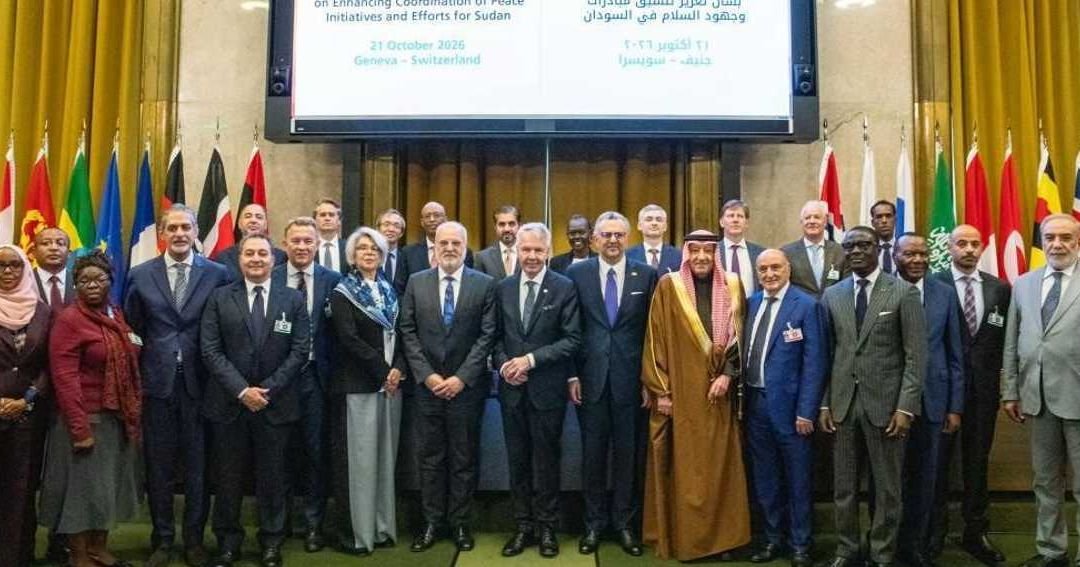
The sixth consultative meeting to coordinate peace initiatives in Sudan concluded on Wednesday in Geneva, marking a continuation of international efforts to address the ongoing conflict. While the high-level talks did not result in a formal joint statement or a breakthrough agreement on a nationwide ceasefire, the discussions yielded specific, tangible progress on humanitarian and confidence-building measures.
The United Nations, which has been facilitating these consultations, confirmed that the parties have begun operationalizing two primary trust-building steps. These initiatives are designed to mitigate the immediate impact of the war on the civilian population and create a more conducive environment for future high-level diplomatic engagement.
The first measure involves a systematic process for the exchange of prisoners and detainees held by the warring factions. This move is seen as a critical component in de-escalating tensions between the opposing forces and reflects a commitment to humanitarian standards amidst the protracted hostilities. The facilitation of this exchange process is expected to provide some relief to the affected families and serves as a technical benchmark for the cooperation of the parties involved.
The second measure focuses on the educational sector, which has been severely disrupted by the ongoing conflict. The involved parties have reached an understanding to facilitate the administration of secondary school examinations for all Sudanese students. This initiative aims to ensure that the educational progression of the country’s youth is not entirely halted by the security situation, allowing students to complete their academic requirements despite the volatility on the ground.
While the absence of a comprehensive ceasefire declaration underscores the significant challenges that remain in bridging the divide between the warring parties, the focus on these specific confidence-building measures highlights a pragmatic approach by international mediators. By prioritizing these smaller, achievable objectives, the international community seeks to build the necessary momentum for broader political negotiations.
The Geneva meetings have served as a recurring platform for various stakeholders to align their peace initiatives and ensure a unified international stance toward the crisis. Although the current round of talks ended without the major headline of a ceasefire, the focus on practical cooperation regarding detainees and student examinations represents a shift toward addressing the immediate, tangible needs of the Sudanese people.
As the situation remains fluid, international observers are monitoring the implementation of these two measures. The success of these pilot steps will likely influence the trajectory of future discussions and the potential for a more robust diplomatic framework to end the conflict in Sudan. The UN and participating delegations have indicated that the coordination of peace efforts will remain an active priority as they seek to navigate the complexities of the regional security landscape and the internal dynamics of the war.