

UN Fact-Finding Mission: Sudan Conflict Threatens Civilians
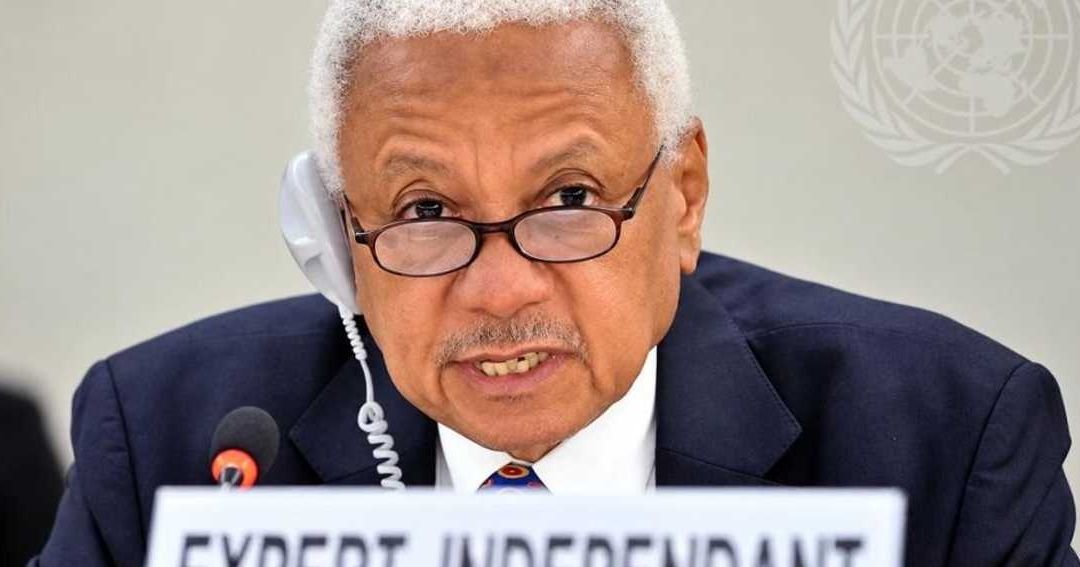
The United Nations Independent International Fact-Finding Mission for Sudan has issued a stern warning regarding the escalating humanitarian crisis in the country, noting that the combination of expanding military operations and a deteriorating climate for civil liberties is leaving the civilian population increasingly vulnerable.
According to the mission, the nature of the conflict is shifting as the use of drone strikes becomes more prevalent. This technological escalation in the theater of war is not only increasing the frequency of kinetic engagements but is also significantly widening the geographic footprint of the hostilities. The mission emphasizes that the current trajectory of the conflict is compounding the risks faced by non-combatants, who find themselves trapped between opposing military forces in areas previously unaffected by the most intense fighting.
Simultaneously, the UN body has raised alarms over a documented decline in the protection of fundamental rights. The report highlights that local authorities and armed factions are increasingly implementing restrictive measures that stifle civil society and limit freedom of expression and assembly. This environment of repression, the mission observes, is effectively dismantling the political space required for a meaningful national dialogue. By curbing the ability of civil society organizations to operate and limiting the flow of information, the warring parties are actively undermining the prospects for a negotiated settlement.
For the international community, these developments signal an alarming departure from potential reconciliation. The report suggests that as long as the military conflict is characterized by indiscriminate tactics—such as the unchecked use of drones—and is mirrored by a domestic crackdown on civil liberties, the barrier to a sustainable peace process will remain insurmountable. The mission maintains that the protection of civilians and the restoration of a space for public discourse are non-negotiable prerequisites for ending the humanitarian catastrophe currently unfolding in Sudan.
The findings underscore the precarious nature of the current security situation in the region. With the war expanding into new territories and the civil sphere continuing to shrink, the humanitarian impact is expected to deepen. The mission’s assessment serves as a critical observation of the current stalemate, where the pursuit of a military advantage is actively precluding the possibility of a political exit, thereby prolonging the suffering of the Sudanese people and further destabilizing the domestic landscape. International observers are now tasked with assessing how to navigate these challenges in an environment where even basic dialogue has become increasingly difficult to sustain due to the current operational and political constraints on the ground.