

Iran Maintains Strategic Stance on Strait of Hormuz
Tehran has signaled a willingness to revisit previous proposals regarding the operational status of the Strait of Hormuz, even as it maintains a rigid stance on its national defense priorities. The Iranian government continues to link its strategic posture to the protection of its nuclear and missile programs, which it maintains are non-negotiable elements of its deterrence strategy.
Despite the recent signals regarding maritime transit routes, Tehran remains firmly committed to a set of seven conditions that it insists must be met for broader diplomatic engagement. These requirements underscore the Islamic Republic’s refusal to provide concessions that would diminish its established military and technological capabilities. Officials in Tehran have emphasized that their defense infrastructure, specifically regarding missile development and regional security architecture, remains a sovereign issue that is not subject to external negotiation.
In contrast, the United States continues to exert significant political and economic pressure on the Iranian administration. While diplomatic channels remain open and discussions continue at various levels, Washington has pointedly maintained that the military option remains on the table. This dual-track approach—balancing a preference for a negotiated settlement with the credible threat of force—continues to define the current atmospheric conditions between the two nations.
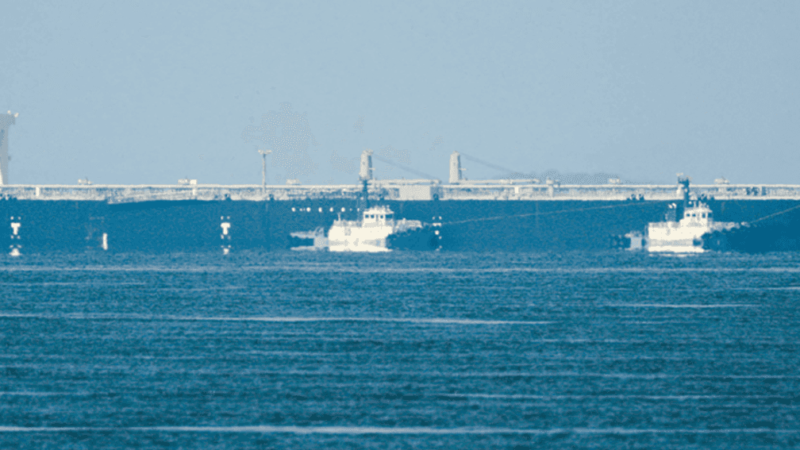
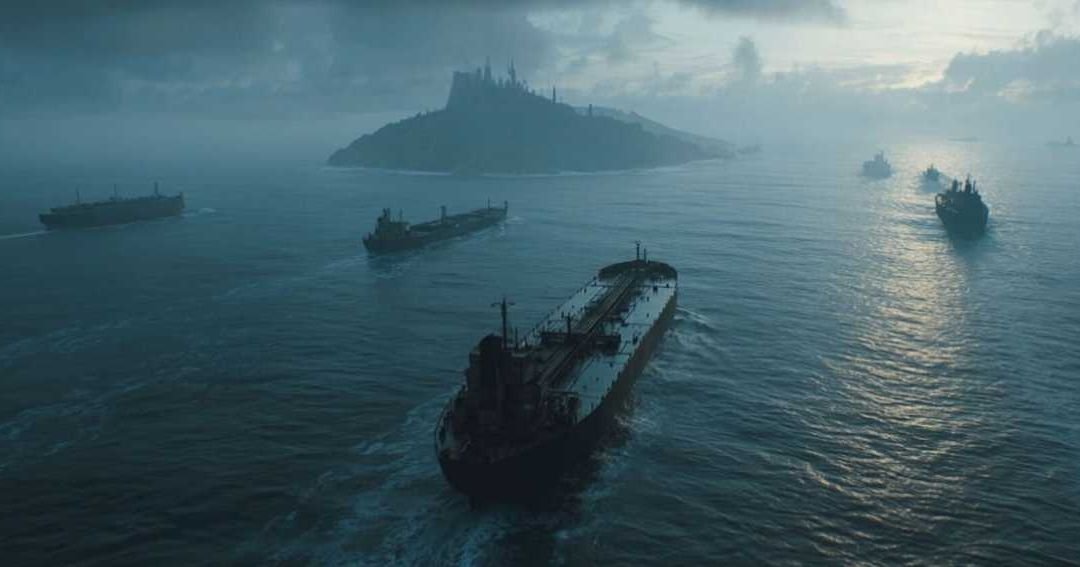
The Strait of Hormuz, a critical maritime chokepoint for global energy supplies, has long been a focal point for regional security concerns. Iran’s latest maneuverings reflect a desire to leverage its control over the waterway while simultaneously navigating the harsh realities of international sanctions and regional geopolitical competition. By signaling a potential shift in policy regarding the strait while digging in its heels on technical and military issues, Tehran appears to be attempting to compartmentalize its strategic objectives.
Regional observers are closely monitoring these developments, noting that the rhetoric from both Washington and Tehran indicates a continuing impasse on core security issues. The persistence of the diplomatic track suggests that both parties are keen to avoid an escalation, yet the gap between the two sides regarding Iran’s defensive capabilities remains a significant hurdle. As pressure continues to mount, the interplay between diplomatic overtures and the assertion of deterrence capabilities will likely remain the primary driver of the security landscape in the Persian Gulf. For now, the status quo persists, with both sides keeping their respective strategic options open as they engage in a calculated game of regional brinkmanship.