

Sudanese Military Increases Reliance on Drone Strikes
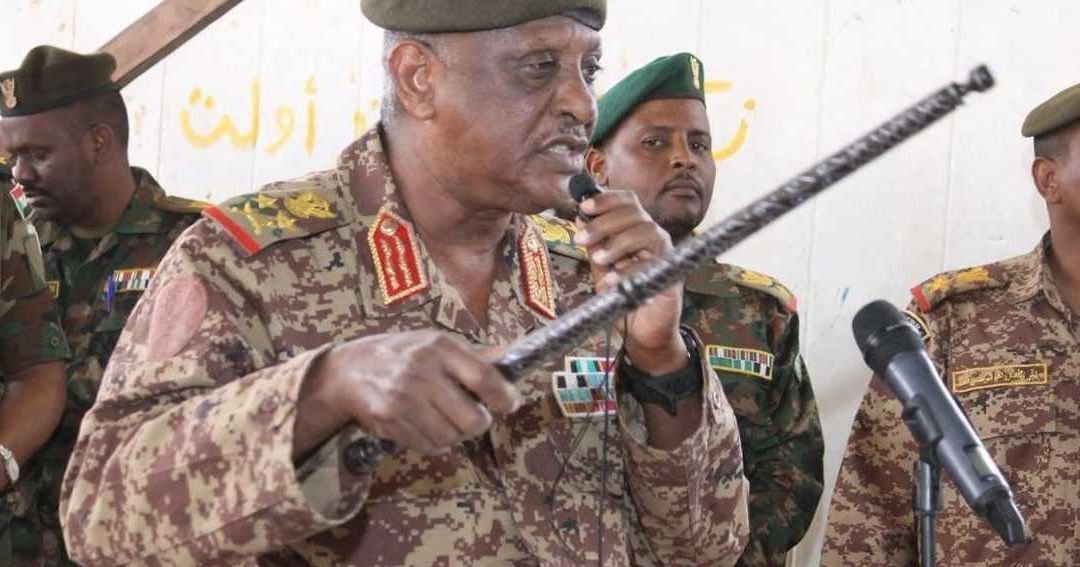
A comprehensive international analysis of data regarding the ongoing conflict in Sudan has revealed that the Sudanese Armed Forces (SAF) have been responsible for 63 percent of all drone strikes documented within the country between the beginning of 2026 and the end of October. These findings highlight a significant strategic shift toward the increased utilization of aerial capabilities in a war that has expanded far beyond traditional front lines.
The reliance on unmanned aerial vehicles (UAVs) marks a notable evolution in the military tactics employed during the protracted conflict. According to the data, the geographic scope of these strikes has widened considerably, moving away from localized military engagements to impact civilian infrastructure and essential services. The analysis notes that these aerial operations have frequently targeted areas critical to public life, including local markets, healthcare facilities, and makeshift shelters housing displaced populations. Additionally, the strikes have increasingly affected vital utilities, specifically damaging sources of power and water infrastructure upon which local communities rely for survival.
This shift toward drone-centric warfare reflects a broader trend of escalating hostilities in the region. By deploying UAVs with greater frequency, the military has intensified its ability to strike deep into territory and exert pressure in environments where ground operations may be more constrained or costly. The systematic documentation of these attacks underscores the severe humanitarian toll, as the nature of the warfare continues to place non-combatants and essential infrastructure directly in the line of fire.
The humanitarian impact of this aerial campaign has been profound, as the destruction of markets and energy grids severely hampers the delivery of aid and the ability of residents to access basic necessities. The data suggests that as the conflict continues to evolve, the integration of drone technology into standard military operations has become a defining characteristic of the hostilities, further complicating the prospects for stabilization and recovery in affected areas.
As the conflict enters this current phase, the international focus remains on the strategic implications of these operations and their direct consequences for the civilian population. The evidence indicates that the military’s reliance on such technology is not merely a tactical choice but a sustained approach to managing the operational landscape of the war. With critical services like hospitals and power supplies increasingly targeted, the ongoing use of drones serves as a primary driver of the deteriorating security situation throughout the country. International observers and humanitarian agencies continue to monitor these developments, noting that the expansion of the air war has significantly altered the security dynamics for those living in the most heavily affected zones.