Iraq Approves Plan to Reshape Security Control in Jurf Al-Sakhar
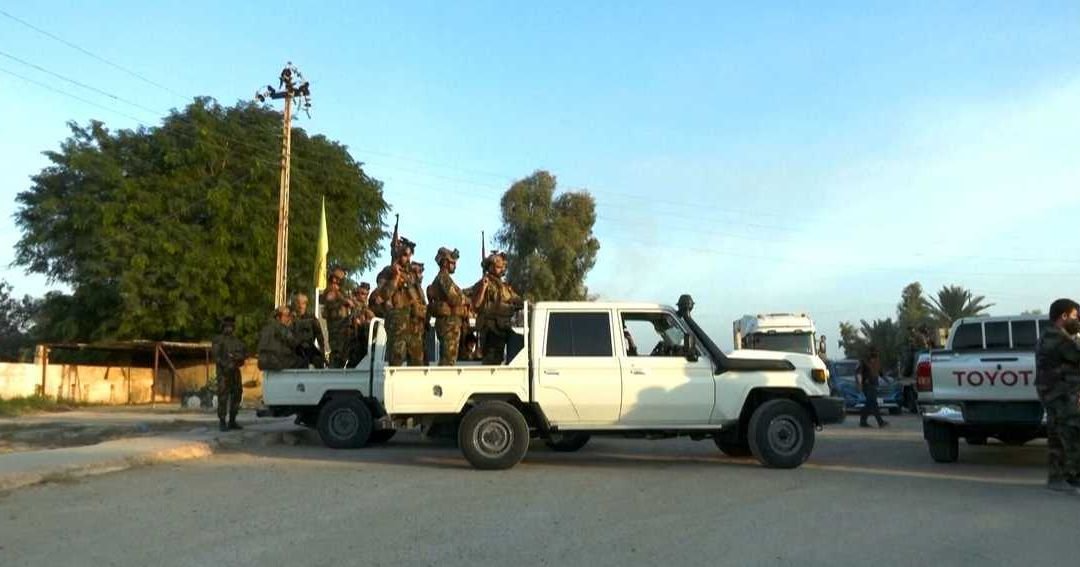
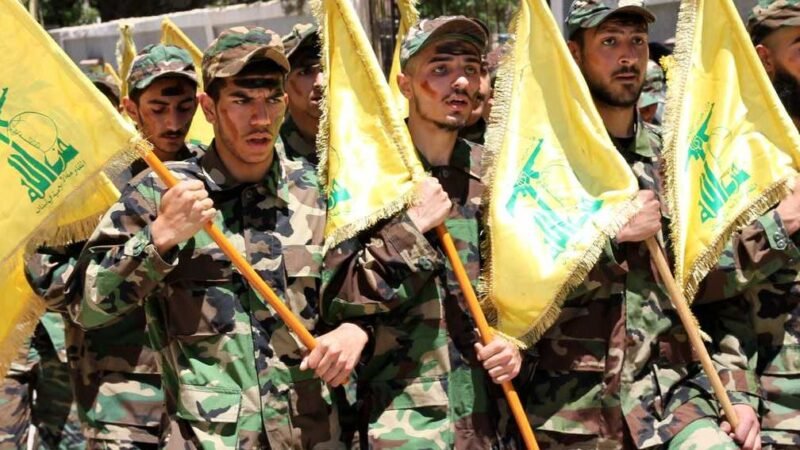
Iraqi Prime Minister Ali Al-Zaydi has approved a strategic proposal to adjust the security landscape in the Jurf Al-Sakhar region, located south of Baghdad. The initiative aims to transition security responsibility away from the Kata’ib Hezbollah militia, replacing them with conventional state-aligned forces to restore government oversight in the area.
Under the newly sanctioned plan, the presence of Kata’ib Hezbollah in the territory is to be phased out. They will be succeeded by units from the national army, the Popular Mobilization Forces (PMF), and the Energy Police. This realignment represents a significant shift in the local security architecture, as the government seeks to consolidate its authority through these state-sanctioned bodies.
While the transfer of authority is underway, the Iraqi government has mandated that the elite Counter-Terrorism Service (CTS) remain in a state of high alert. The deployment of the CTS as a standby force underscores the sensitivity of the operation and the potential for security challenges during the transition period. By involving the Energy Police, the government also signals an intent to protect critical infrastructure in the vicinity, which has historically been a point of strategic concern given the area’s geographic location and importance to national power distribution networks.
Jurf Al-Sakhar has long been regarded as one of the most sensitive security zones in Iraq, largely due to its historical control by paramilitary groups and its strategic value. The decision by the Prime Minister to alter the composition of forces in the region follows a period of mounting pressure to ensure that security operations are conducted under direct state supervision. The government’s move to diversify the forces—balancing conventional army units with the PMF and specialized energy-focused police—is designed to create a more integrated security framework.
This development is viewed as a critical test for the current administration’s ability to manage security in regions that have functioned outside of traditional military command structures. By keeping the Counter-Terrorism Service on standby, the government aims to mitigate the risk of friction or instability that could arise as the existing paramilitary influence is scaled back. The success of this transition will likely depend on the coordination between these various security apparatuses and their adherence to the central command’s directives as they integrate into the Jurf Al-Sakhar sector.
As the transition moves forward, the primary focus for Iraqi authorities will remain the maintenance of stability in the district while preventing any power vacuum. The move reflects broader ongoing efforts within Iraq to recalibrate the relationship between the state and various armed factions operating within its borders, particularly in regions of significant strategic or political weight.