

Iraqi Prime Minister to Visit Jurf al-Sakhar Following Troop Redeployment
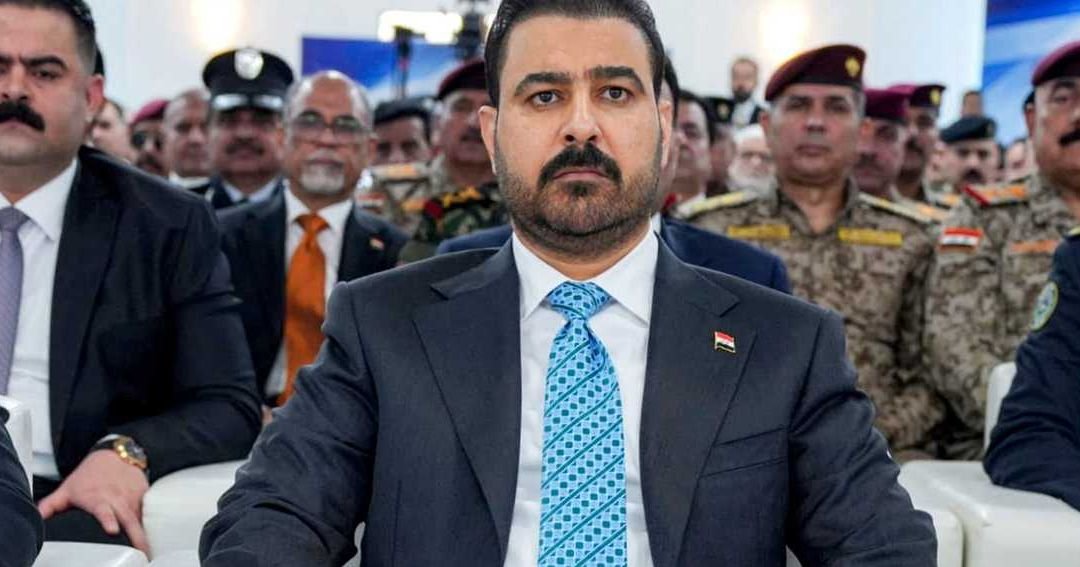
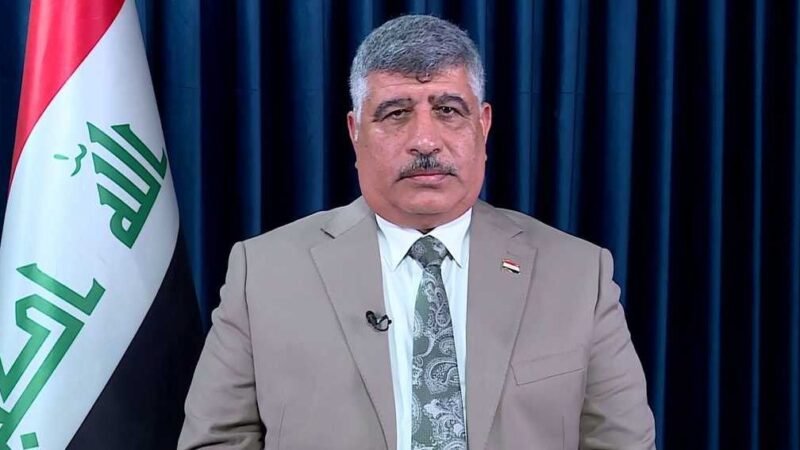
Iraqi Prime Minister Ali Faleh al-Zaidi is set to conduct an official visit to the Jurf al-Sakhar region in Babil province this Saturday, according to information received by regional observers. The high-level visit comes at a critical juncture for the area, following recent shifts in the security landscape that have seen the commencement of a new deployment phase for state security forces.
The visit is expected to focus on the stability and administrative status of the region, which has long been a focal point of discussion regarding security control and the influence of non-state actors. The Prime Minister’s presence on the ground signals an effort by the federal government to exert greater oversight and re-establish institutional authority in the territory, which has been under the influence of the Hezbollah Brigades for an extended period.
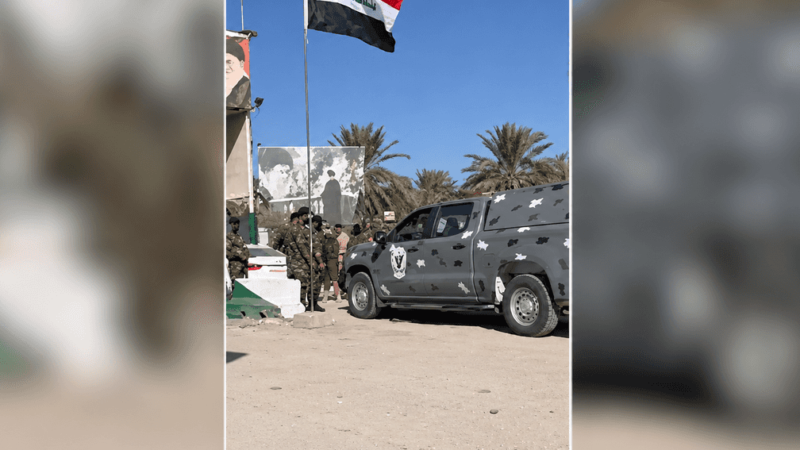
Reports indicate that the timing of the visit is tied to the commencement of a tactical withdrawal by Hezbollah Brigades from their long-held positions in the district. This movement has facilitated the entry of Iraqi security forces, who are now tasked with managing the security perimeter and overseeing the transition of authority in this strategically sensitive area located south of Baghdad.
Jurf al-Sakhar has historically remained an isolated zone, largely inaccessible to central government officials and local residents since the major military operations that took place there in previous years. The movement of militia units and the concurrent deployment of national security personnel suggest a significant change in the security dynamics of Babil province. By personally overseeing these developments, al-Zaidi aims to project the authority of the state and address the long-standing challenges associated with the governance and security of the area.
Government officials have highlighted that the primary objective of the current security strategy is the normalization of the region and the consolidation of control under the official Iraqi armed forces. The planned visit is considered a demonstration of the government’s commitment to these security objectives, as the state seeks to implement a broader plan for the return of displaced populations and the rehabilitation of infrastructure in the region.
As the situation in Jurf al-Sakhar continues to evolve, the Prime Minister’s visit will be closely watched by domestic stakeholders and security analysts alike, who will assess whether the current withdrawal and redeployment signify a permanent shift in power dynamics or a temporary adjustment. The outcome of the visit is anticipated to provide further clarity on the federal government’s capacity to maintain security and enforce its policies in areas where militant influence has traditionally been entrenched. No further details regarding the specific itinerary or meetings have been released, but the visit remains a key indicator of the current political and security priorities of the Iraqi administration.