

Former FM Zarif Urges US Deal, Citing Urgency of Timing
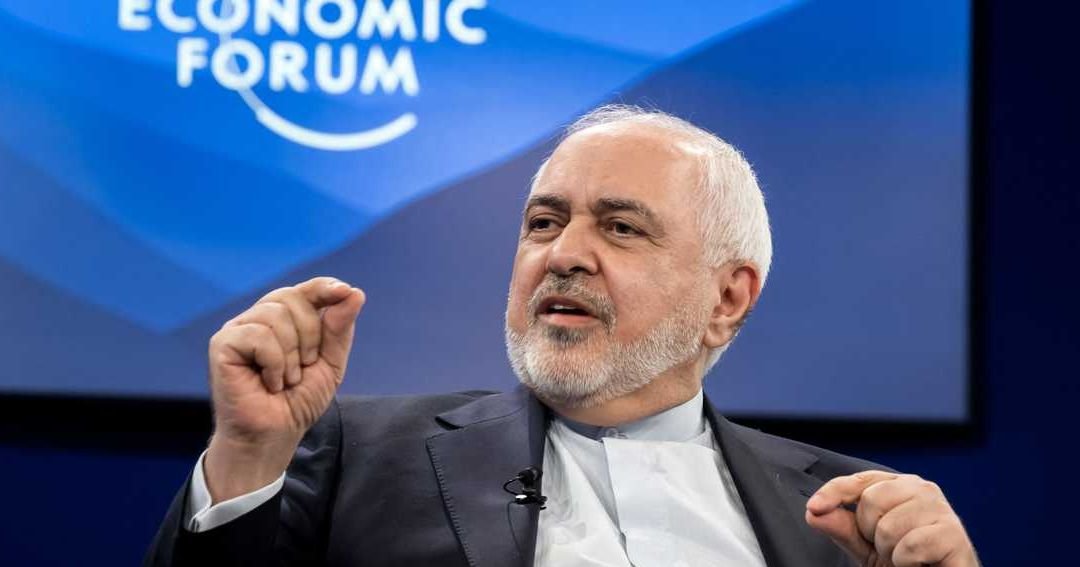
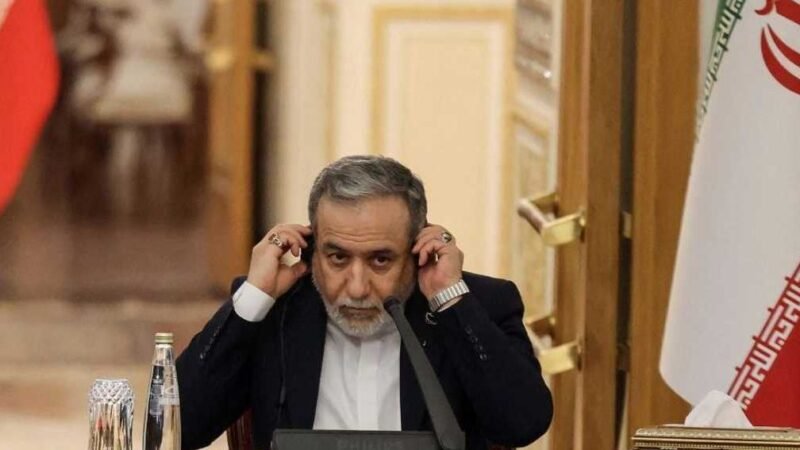
Former Iranian Foreign Minister Mohammad Javad Zarif has publicly emphasized the necessity of securing a diplomatic agreement with the United States, drawing parallels to the historical resolution that concluded the Iran-Iraq War in 1988. In recent remarks, the veteran diplomat suggested that current geopolitical circumstances demand a proactive approach to prevent further deterioration of Iran’s strategic position, warning that the window for such a resolution is rapidly closing.
Zarif’s comments point to the 1988 ceasefire—which brought an end to eight years of conflict between Tehran and Baghdad—as a potential template for managing high-stakes international tensions. By invoking this specific moment in Iranian history, the former minister is highlighting the importance of state-level pragmatism when addressing existential or long-standing adversarial relations. The invocation of the 1988 precedent suggests a recognition that sustained diplomatic stalemate carries significant risks for the Iranian state, necessitating a structured approach to engagement with Washington.
The warning regarding “running out of time” underscores a growing sense of urgency among certain factions within Iran’s political landscape regarding the country’s international isolation. While Iranian policy has historically been characterized by resistance to US influence, Zarif’s stance reflects a perspective that prioritizes the stabilization of relations to mitigate external pressures. The former foreign minister, known for his role as the lead negotiator in the 2015 nuclear agreement, remains a significant voice in discussions concerning Iran’s foreign policy orientation.
This call for a new diplomatic chapter comes at a time when the broader Middle East remains subject to volatile security conditions. The emphasis on a structured agreement mirrors long-standing debates within Tehran about the balance between revolutionary principles and the pragmatic requirements of maintaining regional and global economic engagement. By framing the need for a deal as a matter of urgency, Zarif is effectively pressuring policymakers to consider alternative pathways to resolve the long-standing impasse that has defined US-Iran relations for decades.
Analysts have noted that such public interventions by prominent former officials often signal an attempt to shift the internal consensus toward dialogue. However, the path to any formal arrangement remains complex, as it requires navigating entrenched domestic skepticism and the intricate web of regional security alliances that continue to influence Iranian decision-making. As the political landscape evolves, Zarif’s reference to historical precedents like the 1988 accord serves as a reminder of the historical weight Iranian leaders place on strategic de-escalation when faced with perceived systemic threats. The focus remains on whether these suggestions will gain traction within the current administration or continue to face resistance from those prioritizing a more confrontational approach to the United States.