

US Official Calls for Immediate End to Arms Flow into Sudan
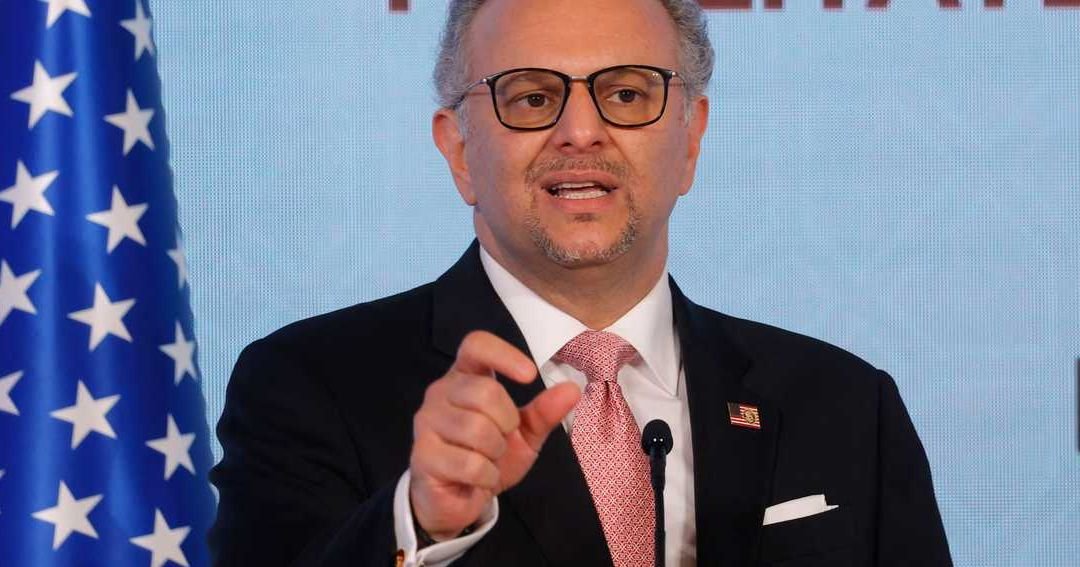
Massaad Boulos, a senior adviser to the United States President on Arab and African affairs, has issued a formal call for an immediate cessation of the flow of weapons into Sudan. The demand follows a series of violent incidents in Khartoum, where aerial strikes targeted civilian neighborhoods and critical facilities operated by the United Nations.
Recent developments on the ground have raised significant international concern regarding the escalation of the ongoing conflict in the country. Analysts and observers have pointed to the increased use of drone technology in recent offensive operations, which have caused severe damage to infrastructure and placed the lives of non-combatants at heightened risk. Boulos, speaking on Monday, emphasized that the continued influx of military equipment is exacerbating an already fragile humanitarian situation and undermining efforts to establish stability in the region.
While specific military factions were not named in every aspect of the official discourse, the attacks cited in the appeal are widely attributed to the Rapid Support Forces (RSF), which have been engaged in prolonged hostilities across the Sudanese capital. The targeting of international humanitarian infrastructure has drawn sharp condemnation, as such sites are intended to be protected zones under international norms.
The call for an arms embargo comes at a time when the diplomatic community is grappling with the complexities of the Sudanese crisis. The proliferation of sophisticated weaponry, particularly unmanned aerial vehicles, has shifted the tactical landscape of the fighting, leading to a marked increase in collateral damage within densely populated urban areas. By explicitly calling for a stop to these shipments, the US administration is signaling a shift toward more stringent international oversight of the supply chains fueling the conflict.
Sudan, which has been mired in a destructive internal power struggle for several months, remains a focal point for regional security concerns. The impact of the fighting extends beyond the borders of Khartoum, with millions of civilians displaced and the country’s socio-economic foundations severely fractured. The demand from Boulos underscores the strategic priority placed on mitigating the violence that has turned residential districts into active combat zones.
The international pressure to halt the weaponization of the Sudanese conflict reflects a broader consensus among global powers that the current trajectory of the war is unsustainable. Moving forward, the focus is expected to remain on how international monitoring mechanisms can effectively track and curb the illegal movement of military hardware into the theater of operations. The outcome of these efforts remains critical to any potential de-escalation of hostilities and the eventual protection of humanitarian corridors that are essential for the survival of the Sudanese population.