

UAE and Kuwait Foreign Ministers Discuss Regional Developments
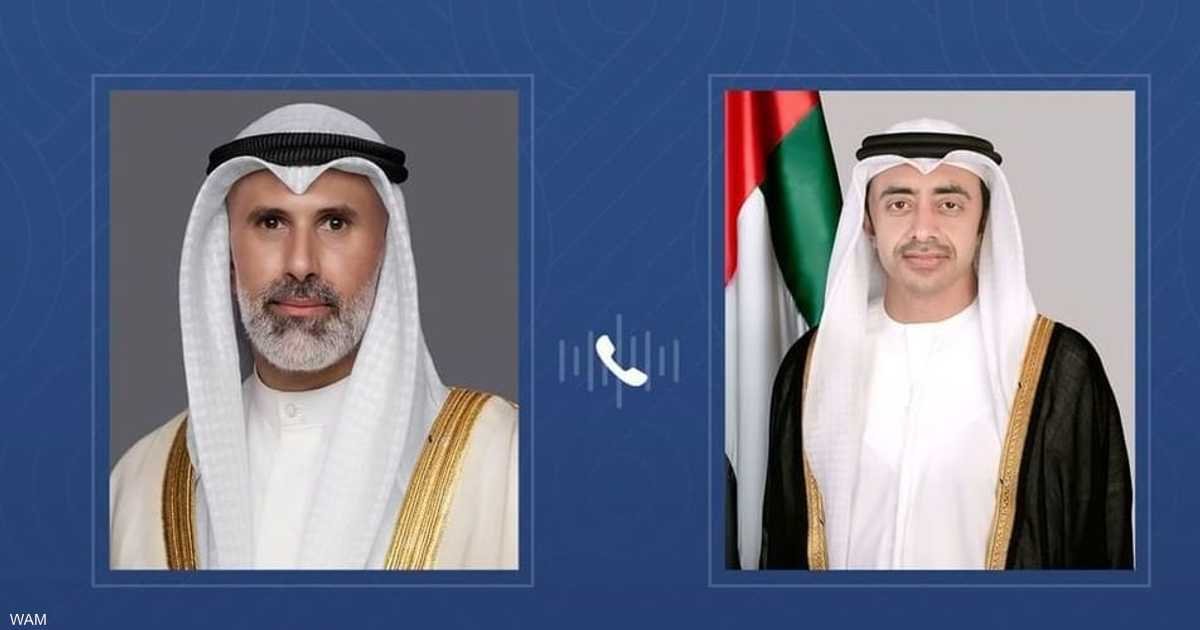
Sheikh Abdullah bin Zayed Al Nahyan, Deputy Prime Minister and Minister of Foreign Affairs of the United Arab Emirates, held a telephone conversation today with the Minister of Foreign Affairs of the State of Kuwait, Sheikh Jarrah Jaber Al Ahmad Al Sabah. The high-level diplomatic exchange centered on a comprehensive review of the current regional situation and the latest political developments unfolding across the Middle East.
The discussion between the two top diplomats underscored the ongoing coordination and consultation between Abu Dhabi and Kuwait City on matters of mutual concern. As regional instability remains a critical priority for Gulf Cooperation Council (GCC) member states, the call served to align perspectives on the complexities facing the broader region. Both ministers emphasized the importance of maintaining open channels of communication to address the evolving security and political landscape.
While the specific details of the sensitive issues discussed were not disclosed, the conversation highlights the strategic commitment of the UAE and Kuwait to collective regional stability. Such interactions are a staple of the diplomatic fabric connecting the Gulf states, reflecting a shared desire to manage external pressures and internal security challenges through unified policy approaches. The UAE and Kuwait have historically maintained a close partnership, frequently collaborating on regional policy to foster de-escalation and diplomatic engagement in volatile areas of the MENA region.
This latest outreach follows a period of heightened regional activity, where GCC states have been increasingly active in diplomatic efforts to steer regional affairs toward stability. By prioritizing frequent communication, the leadership in both the UAE and Kuwait aims to ensure a coherent response to the various crises and strategic shifts currently impacting the Middle East. The dialogue also serves as a reaffirmation of the enduring bilateral ties between the two nations, which are grounded in a long-standing history of cooperation and mutual support regarding foreign policy objectives.
As the region navigates a period of significant transition and geopolitical adjustment, the role of the foreign ministries in Abu Dhabi and Kuwait remains essential in maintaining the delicate balance of interests that define the Gulf security architecture. Both ministers concluded the call by reinforcing the necessity of continued cooperation to uphold the interests of their respective nations and to promote a secure environment throughout the Middle East and North Africa.