

Security Curfew Imposed in Kobani Amid Rising Tensions in Al-Hasakah
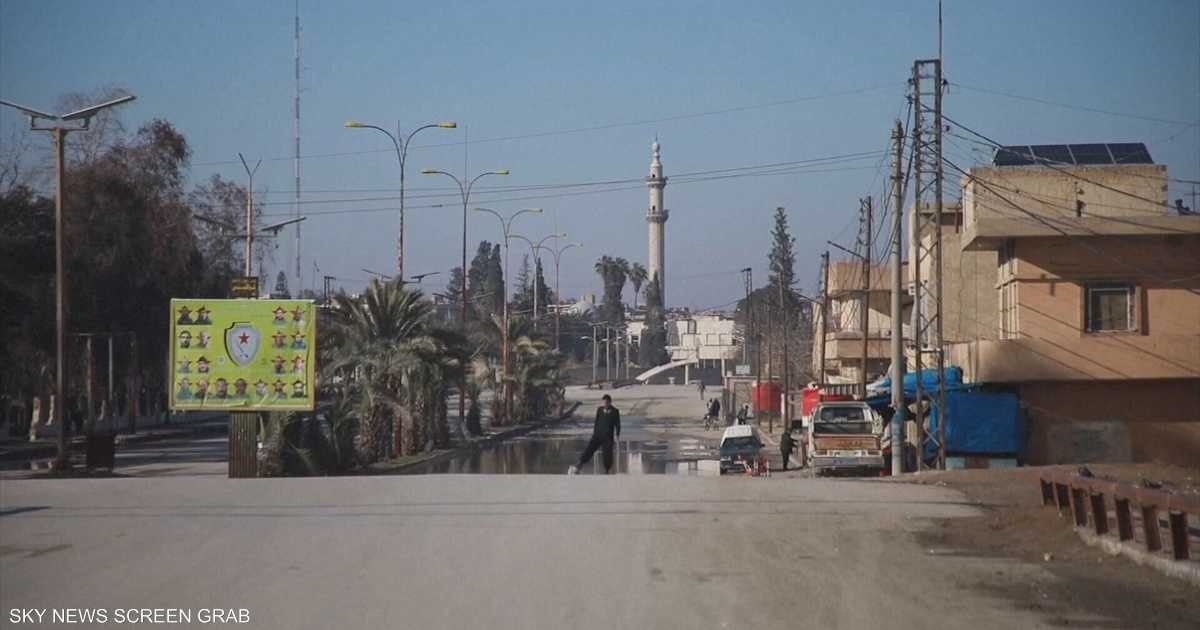
The Internal Security Command in the Aleppo region has officially declared an indefinite curfew in the border city of Kobani, also known as Ayn al-Arab, and its surrounding areas. The decision, which takes effect immediately, was announced as part of an ongoing effort to maintain order in northern Syria, a region currently grappling with significant security and political instability.
The implementation of the curfew in Kobani marks a tightening of security measures in the area, following a period of heightened unrest that has rippled across various parts of northern Syria. Local authorities have indicated that the restriction on movement will remain in place until further notice, citing the necessity of stabilizing the area amidst broader security developments in the region.
While the situation in Kobani is being addressed with these immediate security protocols, the move occurs against the backdrop of increased tensions within the neighboring Al-Hasakah governorate. Reports from the region suggest that the security landscape across northern Syrian territories, including Al-Hasakah, remains fragile. The coordination between security bodies in Aleppo and the neighboring eastern provinces has become increasingly critical as authorities attempt to manage the potential for volatility.
The deployment of security personnel and the imposition of movement restrictions are reflective of the complex security environment currently characterizing northern Syria. Both Kobani and Al-Hasakah have frequently been points of focus for regional stakeholders due to their strategic locations and the diverse political and military actors operating within their borders. The decision to limit public movement in Kobani is viewed as a precautionary measure to prevent further escalation in areas already experiencing underlying friction.
As the situation develops, the focus remains on the effectiveness of the current security measures in containing the unrest. The authorities in the Aleppo region have not provided a specific timeline for the lifting of the curfew, suggesting that the security climate remains under close assessment. Residents in the affected areas have been advised to adhere to the restrictions as internal security forces continue to monitor conditions on the ground. The developments in both Kobani and Al-Hasakah highlight the ongoing challenges of maintaining stability in a region subject to frequent shifts in military and political dynamics. The impact of these tensions continues to be a central concern for the stability of the broader Northern Syrian corridor, where local security governance faces sustained pressure from both internal and external factors. As of now, the situation in the city remains quiet under the strict enforcement of the newly imposed security regulations.