

Iran’s Economic Crisis: Assessing the Threat to Regime Stability
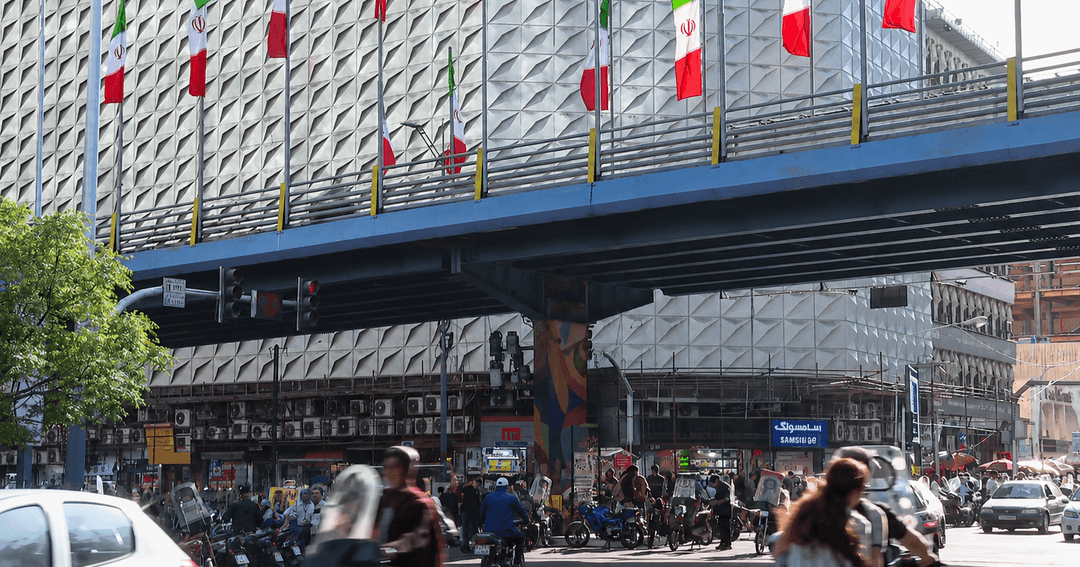
Iran is currently grappling with a severe economic crisis, characterized by a potent combination of tightening international sanctions and escalating military pressures. These external factors have converged with significant domestic grievances, transforming the internal situation within the country into the most sensitive arena of its ongoing geopolitical confrontations. The intensifying economic strain on the Iranian populace, marked by deteriorating living conditions, has become a central point of debate among observers and analysts regarding whether such pressures could serve as a catalyst for widespread civil unrest.
For years, the Iranian economy has been the primary target of extensive sanctions regimes, primarily led by Western powers, aimed at curbing the country’s regional influence and its nuclear program. While the leadership in Tehran has long maintained a narrative of resilience, asserting that the economy can withstand external strangulation, the reality on the ground appears increasingly volatile. The cumulative effect of these sanctions, compounded by the rising costs of military posturing and regional engagements, has created a pressure cooker environment. Inflation remains a persistent challenge, eroding the purchasing power of the average citizen and fueling public dissatisfaction.
Central to the current discourse is the question of whether this economic malaise has reached a threshold capable of threatening the fundamental survival of the system. Proponents of a ‘maximum pressure’ strategy argue that the persistent financial degradation will eventually outpace the state’s capacity to suppress dissent or maintain its complex security apparatus. Conversely, others emphasize the regime’s well-documented ability to prioritize the stability of its internal power structures over economic reform, noting that the state has historically been able to leverage its security and intelligence services to manage, contain, and deflect domestic challenges.
The domestic front has become the most vulnerable flank for the authorities. As the divide between the political elite and the general public grows due to economic inequality and stagnant growth, the potential for sporadic, localized protests to coalesce into a broader movement remains a persistent variable. The Iranian government, however, continues to frame these economic hardships as the result of foreign hostility, seeking to consolidate national sentiment against external actors rather than addressing the structural economic vulnerabilities that have left the country in this weakened position.
As the economic and military environment remains fluid, the interplay between international containment strategies and the local response will likely define the next phase of Iran’s trajectory. Whether these converging pressures force a strategic pivot or result in a period of prolonged internal turbulence remains the most significant question for the stability of the country and the broader region. For now, the economic crisis remains the primary lens through which the viability of the current order is being evaluated by both regional rivals and international observers.