Israeli Political Tensions Rise Amid Voter Fraud Allegations
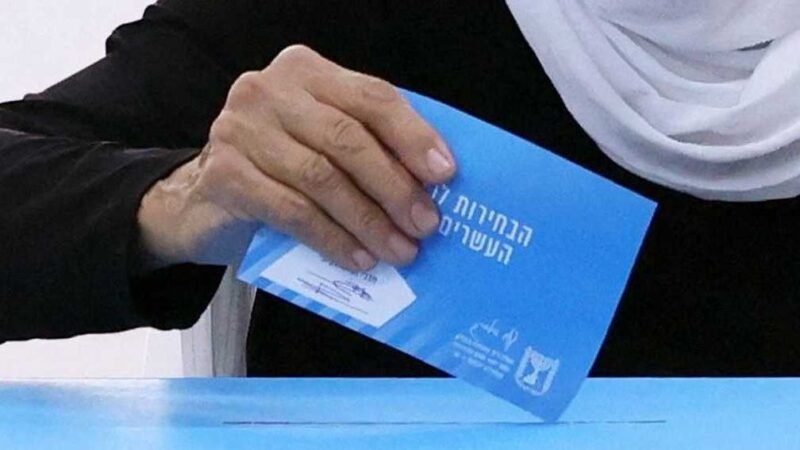
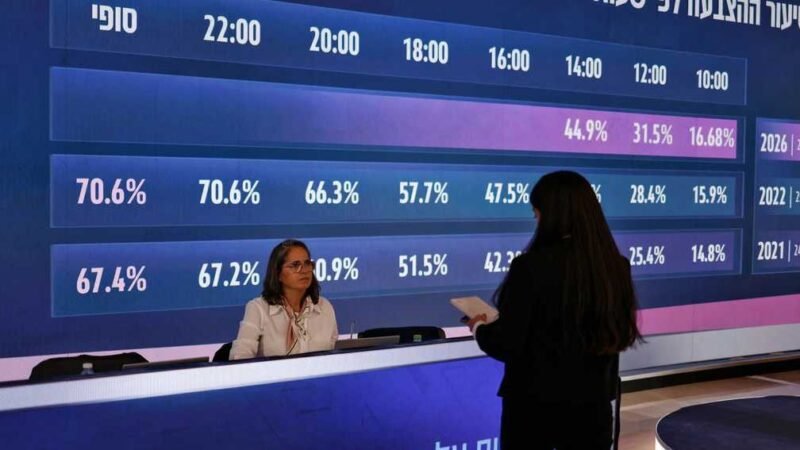
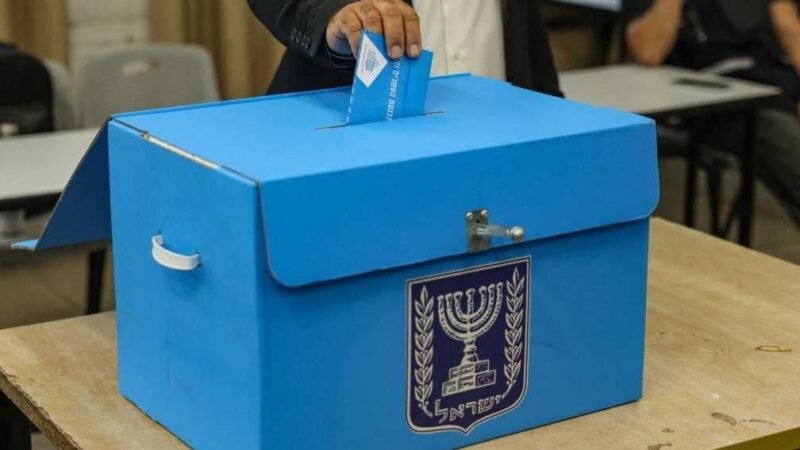
The political landscape in Israel is currently mired in a deepening dispute over the integrity of the recent election process. As parties prepare for the upcoming legislative session, allegations of electoral fraud have moved to the center of the debate, dictating the terms for potential coalition building and the selection of key parliamentary leadership roles.
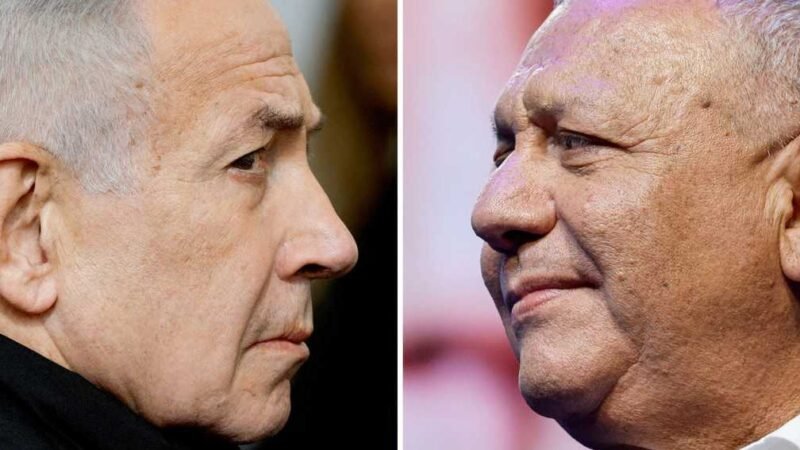
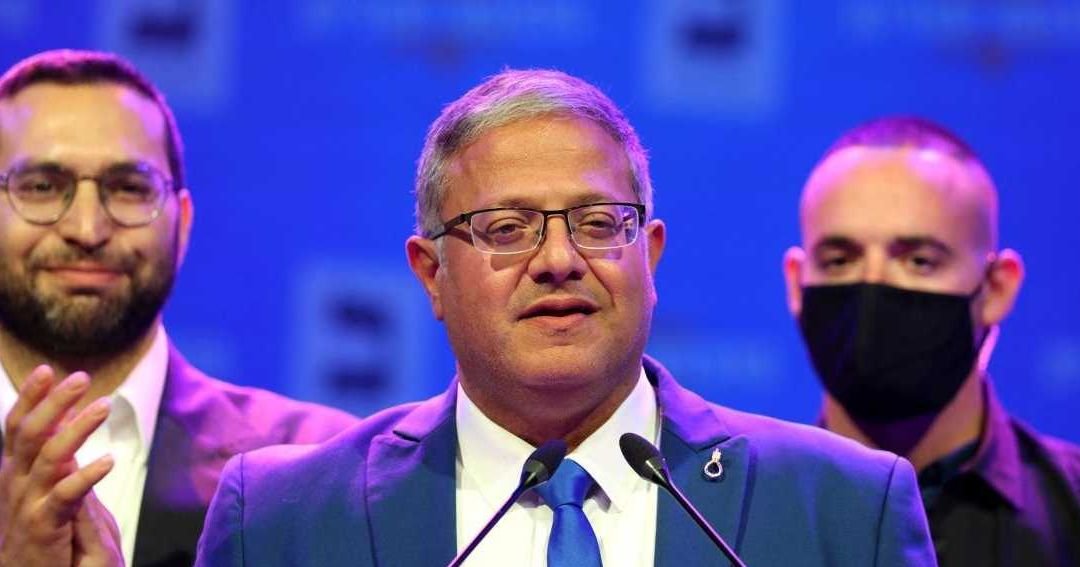
The controversy began as the Likud party formally raised concerns regarding suspected foreign interference and the potential for illegal financial influence in the electoral process, including claims of vote-buying. These allegations have transformed from isolated legal inquiries into a decisive political wedge. The party’s leadership has explicitly linked its pursuit of these investigations to a demand that all potential coalition partners refuse to engage in any form of cooperation with Arab political factions. This ultimatum effectively forces a choice upon other political parties: align with the Likud’s stance on the investigation and the exclusion of Arab lists, or face the prospect of a fractured legislative process.
The impact of this political maneuvering is most immediately visible in the parliamentary struggle to organize the Knesset. The selection of a new Speaker of the House has become a primary point of friction. By conditioning support for government formation and procedural cooperation on the exclusion of Arab parliamentary representation, the Likud is attempting to consolidate its influence over the next government’s agenda. This approach has effectively paralyzed standard cross-party negotiations, as the inclusion or exclusion of Arab parties is now inextricably tied to the broader debate over election legitimacy.
Observers note that the intensity of these allegations reflects the high stakes involved in the current Knesset formation. With the political bloc led by the Likud seeking to cement a durable majority, the strategy of framing the electoral process as compromised serves both to challenge political opponents and to justify a hard-line approach to coalition governance.
Meanwhile, the accusations of voter fraud and foreign interference remain at the forefront of the national discourse. While formal investigations into these claims have been cited by party officials, the political ramifications continue to dominate the headlines. As the parties navigate these demands, the potential for a prolonged impasse remains significant. The requirement for parties to publicly declare their stance on the Arab lists—either by agreeing to a total boycott or by remaining open to future cooperation—has deepened the divisions within the chamber, setting a contentious tone for the start of the new parliamentary term. The situation remains fluid as stakeholders evaluate the cost of adhering to these new political conditions against the necessity of reaching a consensus on the country’s leadership and legislative direction.