

Reports Detail US Military Aircraft Presence in Israel
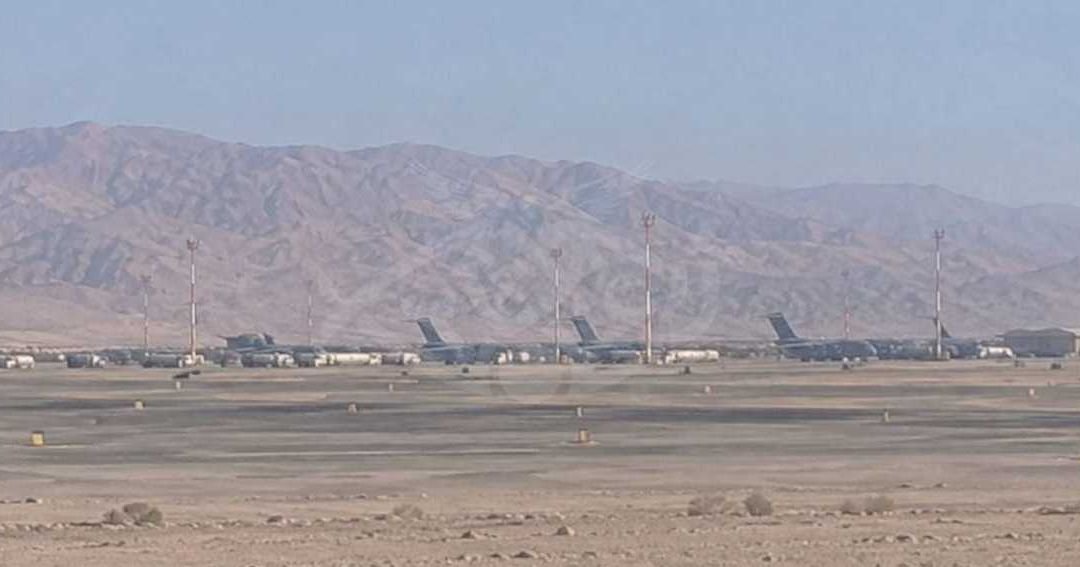
Recent media disclosures have provided an assessment of the current presence of United States military aircraft within Israel. The reports arrive at a time of heightened regional sensitivity, as discussions continue regarding the strategic posture of both US and Israeli forces in the context of potential military friction involving Iran.
The presence of US military hardware in the region is frequently interpreted by security analysts as a projection of American commitment to its strategic alliance with Israel. While the specifics regarding the exact number of airframes and the nature of their deployment are often subject to operational security protocols, the public discussion surrounding these assets underscores the volatile security environment currently defining the Middle East.
This development is particularly notable given the backdrop of ongoing concerns over regional stability. The movement of military assets often serves as a barometer for the level of coordination and military preparedness between Washington and Tel Aviv. The reports explicitly link this presence to the ongoing discourse regarding a potential resumption of hostilities with Iran, a scenario that remains a focal point for intelligence and policy communities throughout the Middle East.
The deployment of additional US military capabilities in Israel is consistent with a broader pattern of strengthening defensive postures in the region. Such movements are typically designed to provide a deterrent effect, though they also highlight the depth of the US-Israel strategic partnership. As regional actors navigate the complexities of ongoing tensions, the visibility of these aircraft serves as a significant marker of military engagement.
While the specific technical details of the aircraft remain subject to ongoing analysis, the strategic implications of their presence in Israeli territory are clear. The concentration of air power is viewed by regional observers as a critical component of current security arrangements, especially as the prospect of further escalation remains an active subject of regional diplomacy. The presence of these assets underscores the integration of US military assets into the broader security architecture of the Middle East, reflecting a long-standing commitment to maintaining a military balance in the face of evolving threats.
Moving forward, the visibility of these aircraft and the related logistical support structures will likely remain a central theme for regional security experts. The intersection of US military operations and Israeli strategic goals continues to shape the geopolitical landscape, particularly as regional powers weigh the risks of further confrontation against the reality of a significant foreign military footprint.