Israeli Opposition Pushes for New Government as Coalitions Falter
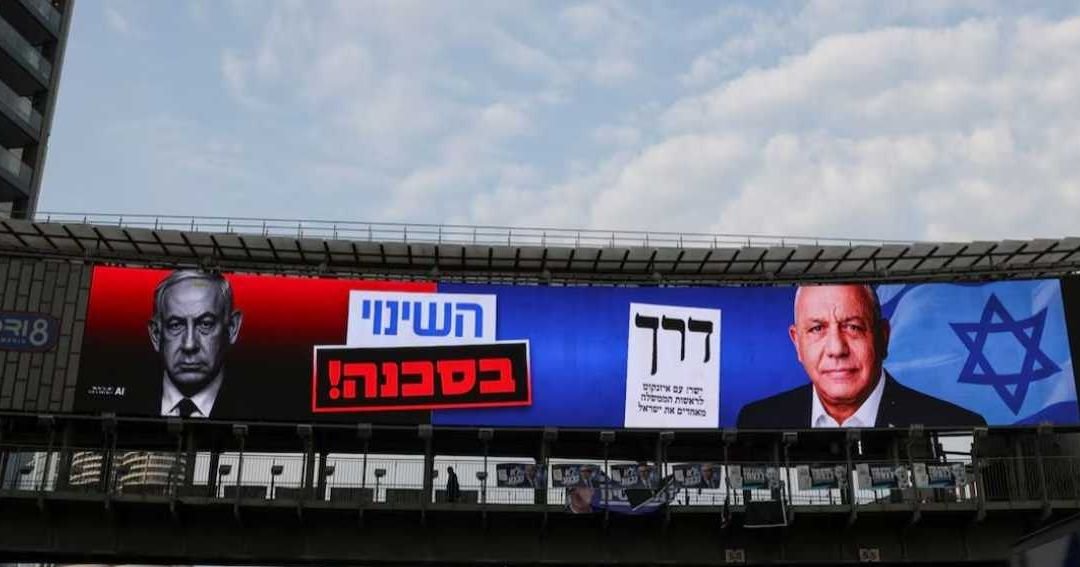
The Israeli political landscape is witnessing a renewed drive by the opposition to form a new government, as key figures within the bloc seek to bypass the prospect of another round of national elections. Gadi Eizenkot, a prominent leader within the opposition, publicly declared on Tuesday that efforts are underway to establish a viable governing coalition as quickly as possible. This push reflects a growing urgency among opposition lawmakers to stabilize the political environment and end the current stalemate that has characterized the national discourse.
However, the path to forming a stable majority remains fraught with significant internal challenges. At the heart of the deadlock is a deep-seated disagreement regarding the role and inclusion of Arab political parties. While Eizenkot’s faction recognizes the mathematical necessity of securing a broad base of support to achieve the required parliamentary majority, the prospect of formal cooperation with Arab parties has triggered intense debate within the broader opposition ranks.
For some in the opposition, integrating these parties is a pragmatic necessity to unseat the current leadership. Others, however, remain deeply divided over the ideological and political implications of such a partnership. This internal friction is currently serving as the primary obstacle, preventing the opposition from consolidating its numbers and presenting a unified alternative to the government led by Prime Minister Benjamin Netanyahu.
The political maneuvering comes at a critical time, as the country faces various domestic and regional pressures. The opposition’s stated desire to avoid the unpredictability of further elections highlights a recognition of public fatigue regarding the cycle of voting that has defined recent years. By attempting to negotiate a path forward now, the opposition aims to provide a sense of continuity and stability, yet they must first reconcile their own internal differences before they can credibly challenge the status quo.
Observers of the Israeli political process note that the impasse over the involvement of Arab parties has long been a defining feature of the country’s parliamentary politics. Historically, the question of whether to include these factions in a governing coalition or to rely on their support from the outside has created ruptures in both the right-wing and center-left camps. For Eizenkot and his allies, the challenge lies in bridging these traditional divides in order to present a government that can command the trust of a fragmented parliament.
As discussions continue behind closed doors, the focus remains on whether the opposition can reach a consensus that balances their political goals with the logistical requirements of building a majority. Until such an agreement is reached, the potential for political instability persists, leaving the government’s future in a state of flux.