Egypt Targets 35 Entities Linked to Muslim Brotherhood
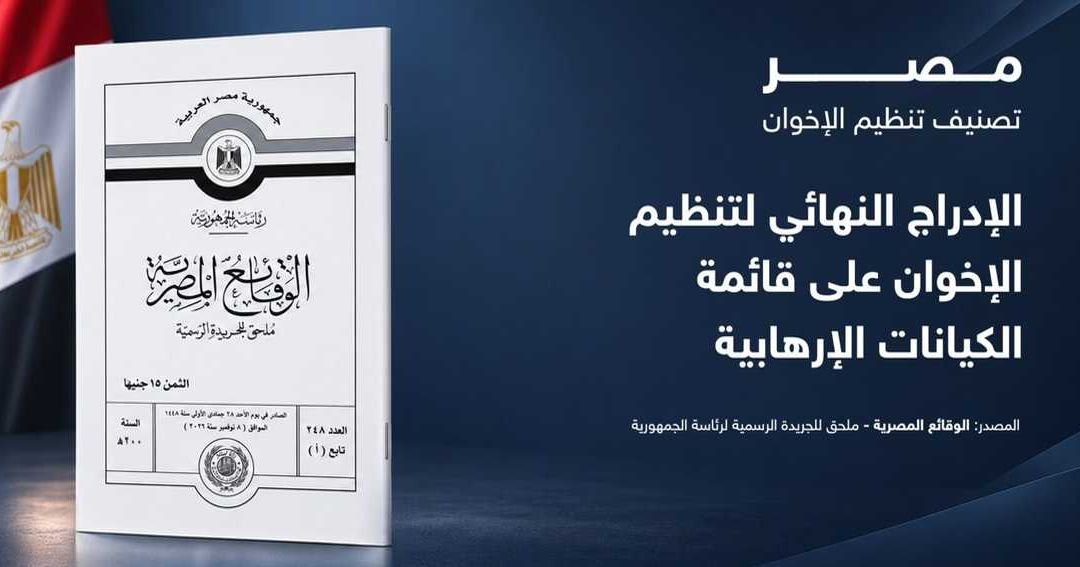
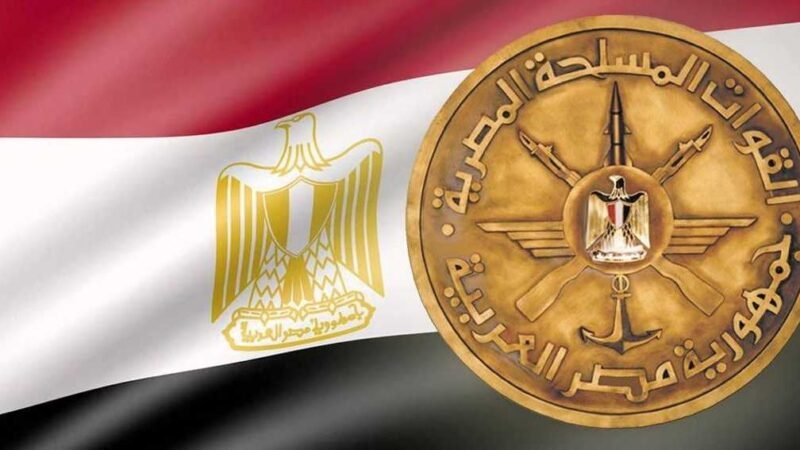
The Egyptian government has formally designated 35 institutions, including various associations, centers, and unions, as terrorist entities. The move marks a significant development in the state’s ongoing efforts to curb the reach of organizations accused of maintaining ties to the Muslim Brotherhood. The decision to include these entities on the official terrorism lists extends beyond the sheer number of organizations involved, highlighting a complex web of institutional infrastructure that authorities argue serves to further the interests and ideology of the group, which has been outlawed in Egypt for over a decade.
Legal and security analysts have noted that the naming of specific associations and research centers underscores a strategic shift toward dismantling the financial and organizational networks that support the group’s activities, both domestically and abroad. By listing these entities, the Egyptian state imposes severe legal restrictions, including asset freezes, travel bans, and the potential for dissolution of these organizations. The action reflects a broader policy of identifying and neutralizing institutions that the government asserts act as fronts or operational hubs for the organization.
Of particular concern to authorities is the international dimension of these listed entities. The official documentation identifies several organizations that, according to state findings, maintain formal and informal links to branches and affiliates of the Muslim Brotherhood operating across Europe. This connection is viewed by Cairo as a critical aspect of the group’s global institutional framework, which the government argues allows the organization to sustain political influence, secure funding, and coordinate ideological messaging despite its domestic proscription.
This latest move is consistent with Egypt’s longstanding national security strategy aimed at severing the organizational ties between domestic entities and the broader regional and international network of the Muslim Brotherhood. For years, the Egyptian state has pursued a policy of comprehensive legal action to challenge the legitimacy and reach of these groups. The authorities maintain that these organizations play a direct role in maintaining the movement’s viability and mobilizing its support base through various civilian and cultural fronts.
The designation of these 35 entities comes at a time of increased scrutiny over the operations of non-governmental and civil society groups that are suspected of bypassing domestic regulations to maintain allegiance to prohibited movements. The government has signaled that it will continue to monitor the institutional landscape closely, ensuring that any group found to be facilitating the movement’s agenda faces the full extent of Egypt’s counter-terrorism legislation.
As the legal proceedings progress, the impact on these organizations will be significant. The identification of their names and the formal documentation of their connections serves as a warning to other institutions that may be operating under similar mandates. For the Egyptian authorities, this action is a critical step in isolating the remnants of the Brotherhood’s institutional presence and mitigating the perceived threat that these networks pose to national stability.