Tribal Leader Calls for Action on Illegal Oil Smuggling in Jurf Al-Sakhar
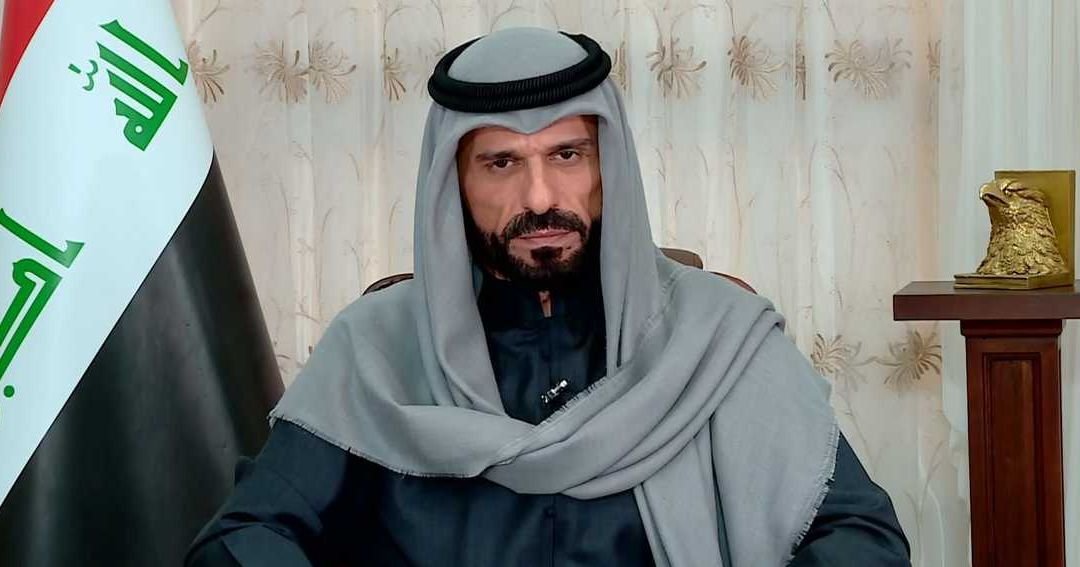
The leader of the Dulaim tribes, Sheikh Ali Hatem Al-Suleiman, has officially called upon the Iraqi government to take decisive action to restore state sovereignty in the Jurf Al-Sakhar region, located north of Babil Governorate. The appeal focuses on the urgent need to address systemic issues of lawlessness, specifically the illegal smuggling of petroleum products that has reportedly taken root in the area.
In his formal request addressed to the Iraqi Prime Minister, Al-Suleiman emphasized the necessity of a “bold decision” to assert the reach of federal authority. The tribal leader underscored the importance of implementing this state control without resorting to armed confrontation with the various factions currently operating in the district. The call for intervention reflects ongoing concerns regarding the security vacuum in parts of Iraq where non-state actors maintain significant influence, often complicating the central government’s ability to regulate economic activities and secure state assets.
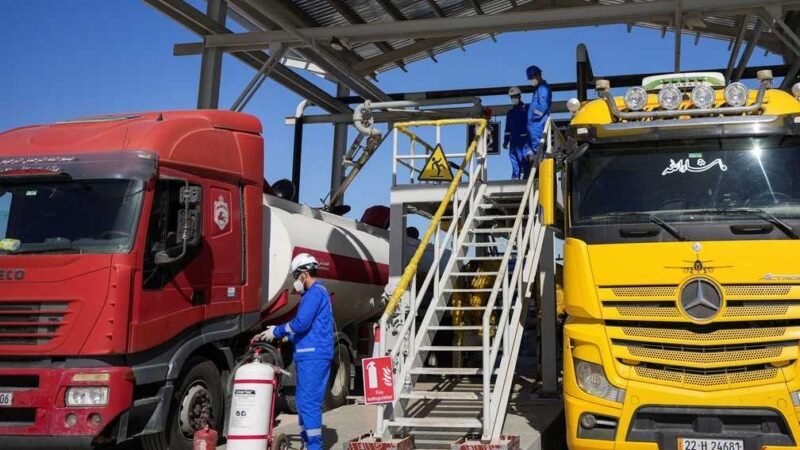
Jurf Al-Sakhar has long been a subject of strategic concern for Baghdad, given its geography and the entrenched presence of diverse armed groups. The issue of oil smuggling, in particular, has become a point of contention as the central government seeks to reform the country’s energy sector and curb the illicit trade that drains national resources. Al-Suleiman’s intervention highlights a push by tribal leadership to support official state efforts in curbing these activities, provided that the strategy avoids further destabilization or open conflict in the region.
The proposal suggests a delicate approach to the restoration of order, prioritizing institutional oversight and legal enforcement over military engagements. By calling for a strategic move by the Prime Minister, Al-Suleiman is effectively placing the onus on the executive branch to navigate the complex security landscape in Babil. The call has drawn attention to the persistent challenge of reconciling the interests of localized factions with the broader requirements of Iraq’s national security and economic stability.
Observers of the region note that the demand for reasserting state authority in Jurf Al-Sakhar is indicative of broader efforts to normalize administrative control across Iraq’s provinces. As the government continues to work toward securing key infrastructure and resources, the situation in Babil remains a critical test of the state’s capacity to govern effectively without fueling further internal divisions. The plea from the tribal leadership adds a layer of political pressure on the administration to address these illicit activities through diplomatic and administrative, rather than purely kinetic, means.