Sisi and Dbeibah Strengthen Ties with New Bilateral Agreements
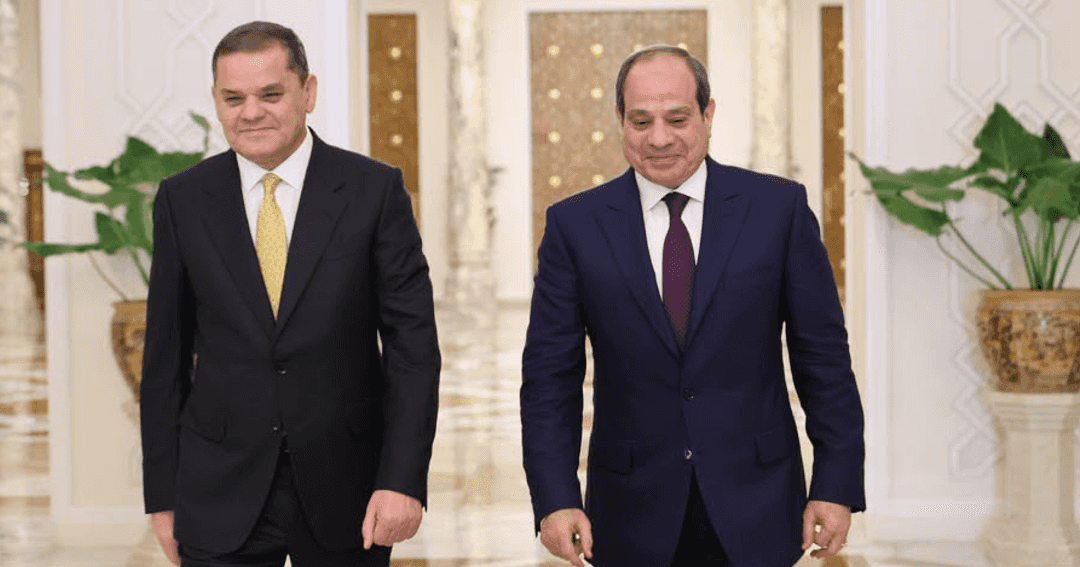
Egyptian President Abdel Fattah el-Sisi hosted the Prime Minister of Libya’s Government of National Unity, Abdul Hamid Dbeibah, on Thursday for high-level discussions aimed at bolstering bilateral relations. The summit, held in Cairo, focused on reinforcing strategic cooperation between the two neighboring North African states, with both leaders underscoring the importance of deepening regional stability and economic coordination.
During the discussions, the two leaders addressed several key issues of mutual concern, specifically focusing on the regulatory frameworks governing movement between the two nations. A significant portion of the talks was dedicated to streamlining administrative processes, particularly regarding visa requirements and residency status for citizens of both countries. These discussions reflect ongoing efforts by Cairo and Tripoli to normalize bureaucratic procedures, facilitating better movement and labor integration between the two economies.
The meeting culminated in the official signing of a series of agreements and memoranda of understanding (MoUs). While the specific technical details of the accords were not disclosed in full, officials confirmed that the instruments span multiple sectors, signaling a broader intent to expand bilateral partnerships beyond traditional diplomatic channels. These agreements are expected to provide a foundational framework for future collaboration, covering areas of mutual economic interest and administrative cooperation.
President el-Sisi and Prime Minister Dbeibah reaffirmed their commitment to supporting Libya’s political stability, emphasizing the need for continued diplomatic engagement to ensure regional security. For Egypt, maintaining a stable relationship with the Libyan administration in Tripoli remains a strategic priority, given the shared border and the significant cross-border economic ties that exist between the two nations.
The visit serves as a testament to the ongoing dialogue between the Egyptian leadership and the Tripoli-based administration. By formalizing these agreements, both parties aim to establish a more structured relationship that can address practical challenges faced by their respective citizens while reinforcing the geopolitical alignment between Cairo and the Government of National Unity. The ceremony highlights a concerted effort to foster a more predictable and cooperative partnership, which observers view as a key component in regional efforts to manage the complexities of the current Libyan transition.
As the agreements move toward implementation, both governments are expected to work closely to ensure that the new regulatory frameworks for visas and residency are effectively integrated into their national systems. The session concluded with both sides expressing their mutual desire to see these initiatives contribute positively to the economic and social stability of both Egypt and Libya, marking a notable step forward in their recent diplomatic exchanges.