

Security Shifts in Jurf Al-Sakhar: Status of Kataib Hezbollah Uncertain
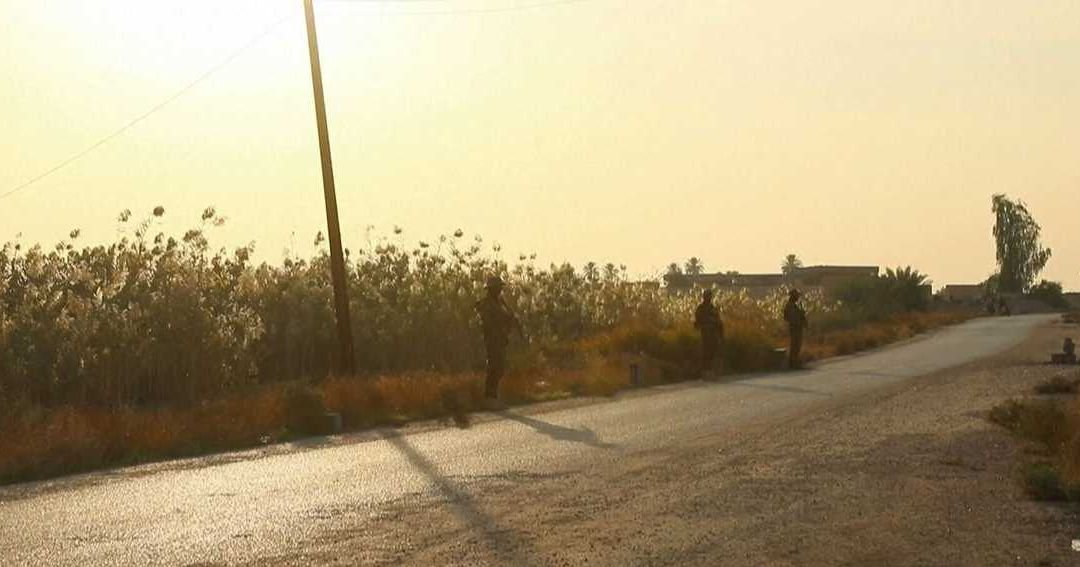
A new phase of security operations has commenced in the Jurf Al-Sakhar region of Iraq, as authorities work to strengthen the presence of the state and facilitate the eventual return of displaced residents. The deployment of new security units into the area marks a significant development in the government’s efforts to regain control over strategic sectors of the province.
While the introduction of these security formations has successfully secured critical infrastructure, including key oil pipelines, the long-term success of the mission remains tied to a broader transition. A central component of this transition involves clarifying the status of the various armed factions that have maintained a footprint in the region for years. Among these, the presence of Kataib Hezbollah continues to be a subject of intense scrutiny and political debate.
According to analysts monitoring regional security and political strategy, the situation on the ground remains complex. While there has been an official effort to rotate or introduce new government-aligned security personnel, there has been no formal, public declaration regarding the withdrawal or repositioning of Kataib Hezbollah. This lack of transparency regarding the status of the group has left observers and local stakeholders with lingering questions about the sustainability of the security arrangements.
The strategic importance of Jurf Al-Sakhar, coupled with its history of instability, makes the current security deployment a test case for the central government’s ability to exert authority in areas previously dominated by non-state actors. The security of energy infrastructure, particularly the oil pipeline passing through the area, remains a high priority for Baghdad, as the state seeks to protect vital national economic interests.
For the displaced population of Jurf Al-Sakhar, the presence of official security forces is a prerequisite for any meaningful discussion regarding their return. The restoration of local governance, the rule of law, and the establishment of a clear, unified chain of command are considered essential steps to ensure that the region remains stable and secure. Until the status of all armed groups operating within the region is addressed, however, the path toward a full return to normalcy is expected to remain gradual and subject to ongoing political and security challenges.
The current developments underscore the broader difficulties inherent in the transition toward central control in areas that have been fragmented by years of conflict and the presence of various armed entities. As the government continues to assess the effectiveness of its latest security measures, the role of political negotiation in managing the influence of groups like Kataib Hezbollah will likely remain a critical factor in the stabilization of the region.