

France Upholds Seizure of Assets Linked to Former Lebanon Central Bank Chief
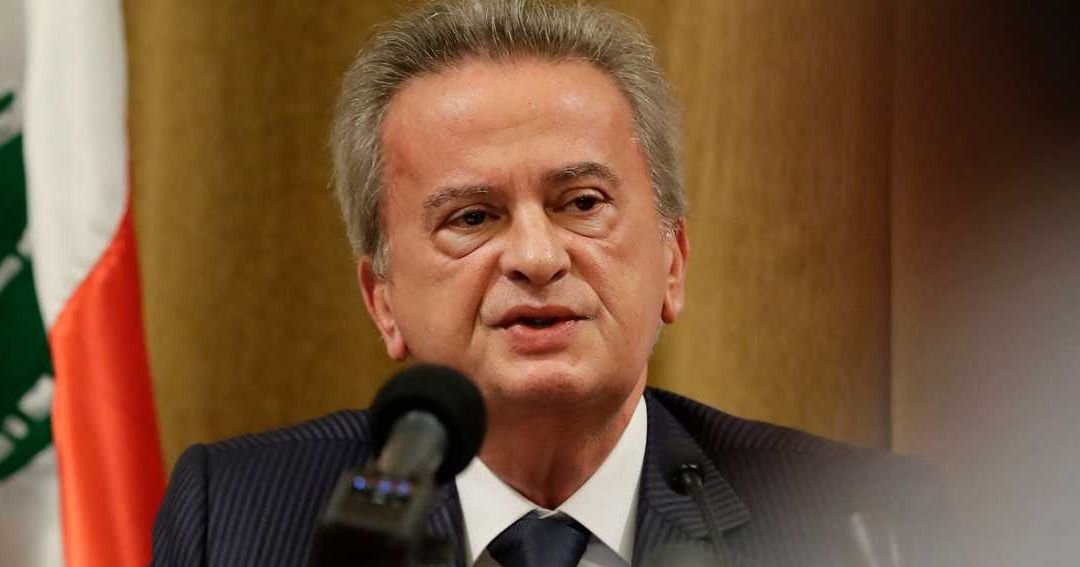
A French appeals court confirmed on Thursday a judicial order to seize assets valued at 37 million euros linked to the former governor of the Central Bank of Lebanon, Riad Salameh, and his son, Nadi. This decision marks a significant development in ongoing international investigations into the acquisition of properties and assets suspected of being obtained through illicit financial practices.
The seizure pertains to a collection of eight properties in France, which are central to the case examining the origins of the former governor’s wealth. The confirmation of the order by the appeals court reaffirms the legal pressure facing the former official as European authorities continue to scrutinize his financial activities. The investigation, which has been ongoing for some time, centers on allegations of money laundering and the misappropriation of public funds during his tenure at the helm of Lebanon’s monetary authority.
Throughout his long career, Riad Salameh presided over the Lebanese financial sector, a period that eventually coincided with the country’s severe economic and financial collapse. Since the onset of the crisis, he has faced multiple accusations both domestically and abroad regarding his management of the bank and the movement of vast sums of money into international accounts. The investigation in France is one of several legal battles being fought across Europe, as judicial authorities in multiple jurisdictions seek to track the movement of assets they believe were siphoned from the Lebanese state.
Legal experts suggest that the court’s decision to uphold the confiscation represents a firm stance by the French judiciary in addressing complex transnational corruption cases. By targeting these assets, the authorities are looking to preserve potential evidence and satisfy future legal claims related to the suspected embezzlement of public resources. The investigation has already uncovered a complex web of shell companies and international accounts, which were allegedly utilized to obscure the real ownership of the properties now under seizure.
For Lebanon, the proceedings in France serve as a critical component of a wider effort by civil society activists and international watchdogs to ensure accountability for the economic hardships that have crippled the nation. The former governor has consistently denied any wrongdoing, describing the accusations against him as part of a politically motivated campaign. However, the ruling by the French court highlights the persistent reach of European legal systems into the financial affairs of high-ranking public figures accused of corruption. The legal process is expected to continue as authorities evaluate the next steps regarding the final disposition of the frozen assets and potential further indictments in the ongoing probe.