

US Treasury Signals Impending Agreement with Iran on Hormuz Strait
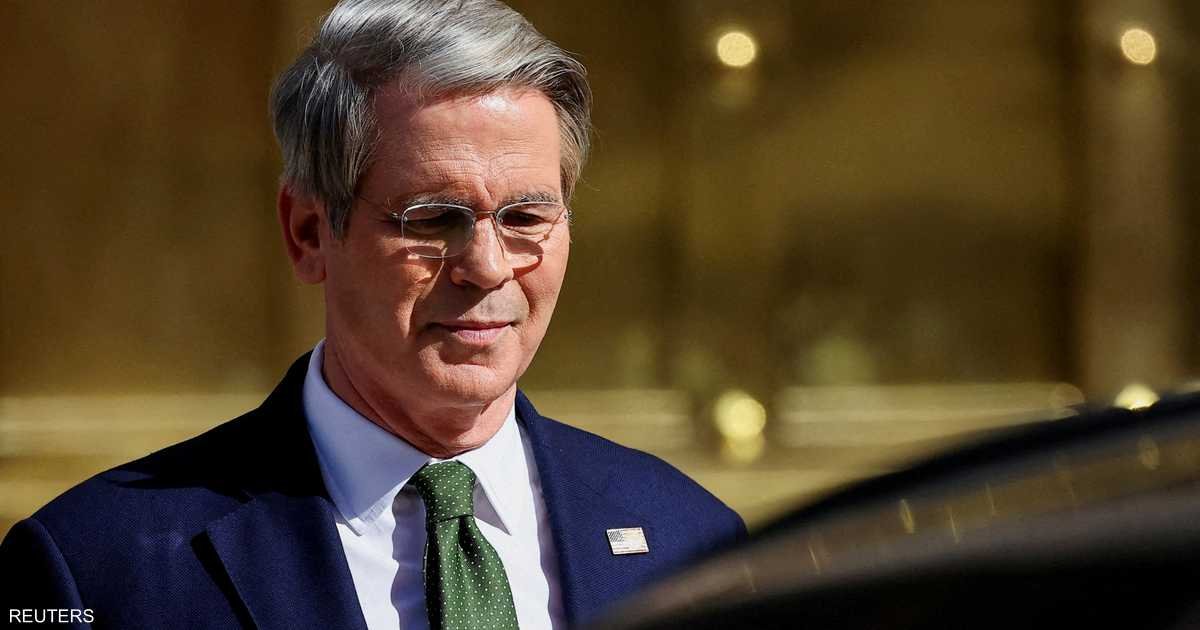
United States Treasury Secretary Scott Bessent has indicated that a diplomatic breakthrough regarding the Strait of Hormuz could be imminent, citing an upcoming agreement between Washington and Tehran. The remarks highlight a potential shift in the high-stakes maritime tensions that have frequently characterized relations between the two nations in the critical waterway.
Speaking on the ongoing geopolitical situation, the Treasury Secretary pointed to the significant economic strain currently impacting the Iranian administration. This mounting pressure, driven by long-standing US sanctions and restrictive measures, is widely viewed as a primary factor influencing Tehran’s willingness to engage in negotiations regarding the security and navigation of the Strait of Hormuz.
The Strait of Hormuz serves as one of the world’s most vital maritime chokepoints, through which a substantial portion of the global oil supply passes daily. Ensuring the stability and unrestricted passage of vessels through these waters has been a long-standing priority for international energy markets and regional security frameworks. Any formal agreement aimed at de-escalating tensions in the area would represent a major development in Middle Eastern diplomacy, potentially altering the regional security landscape.
While details regarding the specific terms of the potential agreement remain limited, the acknowledgement from a senior American official suggests that back-channel discussions or direct diplomatic engagement have reached a critical phase. The focus appears to be on establishing a framework that mitigates the risk of military friction and addresses the concerns of the international community regarding freedom of navigation in the Persian Gulf.
Tehran has historically maintained that its presence in the region and its influence over the strait are matters of national security, often utilizing the waterway as leverage in its broader confrontation with Western powers. However, the consistent application of US economic measures has clearly impacted the Iranian domestic economy, leading to what appear to be evolving calculations within the Iranian leadership regarding the benefits of a negotiated settlement.
The potential for an agreement marks a notable development in the Biden-era approach to the Middle East, balancing the use of economic statecraft with the pursuit of stability in a region prone to volatility. As energy markets and regional stakeholders monitor the situation, the focus remains on whether these discussions will translate into a de-escalation of maritime maneuvers and a formal, verifiable commitment to safe passage in the Strait of Hormuz.
Further clarity on the duration and scope of the proposed deal is expected as formal talks continue. For now, the administration’s public posture reflects a cautious optimism that the combination of economic pressure and persistent diplomatic engagement is nearing a tangible result for the stability of this essential global energy conduit.