

Iran’s Oil Minister Resigns Amid Economic Sanctions Pressure
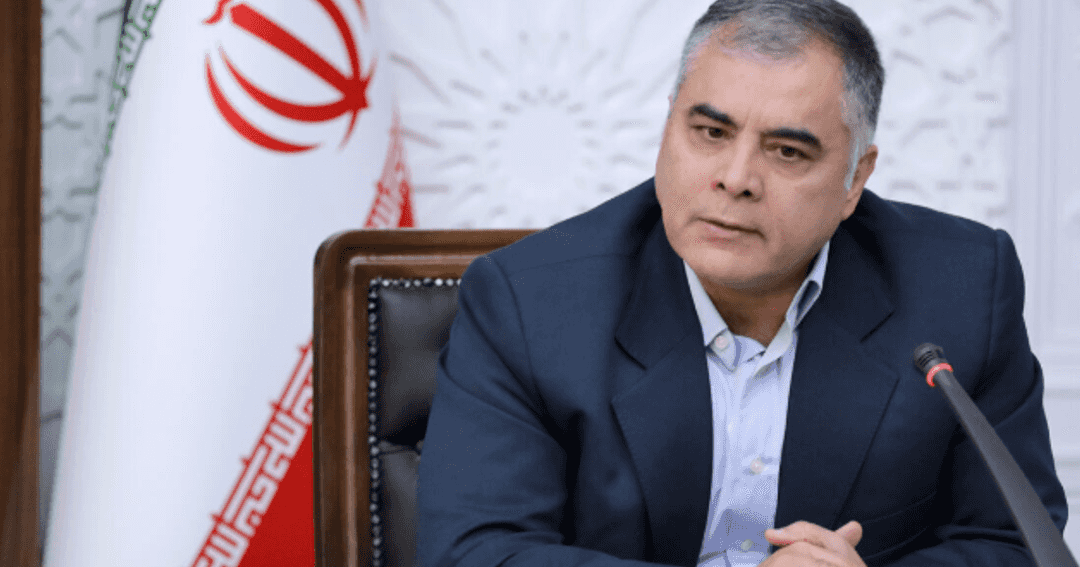
The Iranian presidency officially announced on Sunday that it has accepted the resignation of the country’s Minister of Oil. The leadership change comes at a critical juncture for the Islamic Republic, as the nation faces mounting domestic challenges and significant external economic pressure.
Recent reports indicate that the resignation coincides with widespread disruptions in the country’s fuel distribution network. Citizens across various regions have been observed waiting in long queues at fuel stations, a development that underscores the strain on the domestic energy sector. This supply bottleneck occurs against a backdrop of intensified economic sanctions imposed by the United States, which have constrained Iran’s ability to navigate global energy markets and manage its internal fuel infrastructure effectively.
The departure of the minister marks a notable transition within the cabinet during a period of heightened regional volatility. While the government has confirmed the transition, it has yet to outline a formal transition plan or name a permanent successor to oversee the ministry’s operations during this turbulent phase. The Ministry of Oil is widely considered the engine of the Iranian economy, playing a central role in state revenue generation and the stability of the domestic energy supply chain.
Energy analysts have closely monitored the situation, noting that the combination of international trade restrictions and internal distribution issues has placed immense pressure on the Iranian government to maintain basic services. The intensification of US sanctions has specifically targeted the country’s petroleum industry, aiming to curtail revenue streams and limit the operational capacity of the state-run energy sector. As the government navigates these economic headwinds, the management of fuel reserves and the continuity of the energy ministry remain top priorities for state officials.
The public response to the fuel shortages reflects the broader economic anxieties currently felt across the country. As the administration works to address these logistical challenges, the resignation of the high-level official underscores the intensity of the current economic environment. The government faces the dual task of stabilizing the national energy supply and mitigating the long-term impact of foreign sanctions that continue to affect the daily lives of the population.
As the transition within the Ministry of Oil unfolds, observers will be watching to see how the new leadership addresses the systemic issues currently affecting the fuel sector. The situation remains fluid, with the government expected to prioritize the normalization of fuel distribution to quell rising public concern. For now, the administration continues to attribute much of the economic strain to the ongoing escalation of US-led sanctions, which have remained a focal point of the country’s regional and international policy discourse. The stability of the energy sector remains a key indicator of the country’s economic resilience in the face of persistent geopolitical pressures.