

Analyst: Muslim Brotherhood Stifled Reform in Arab Societies
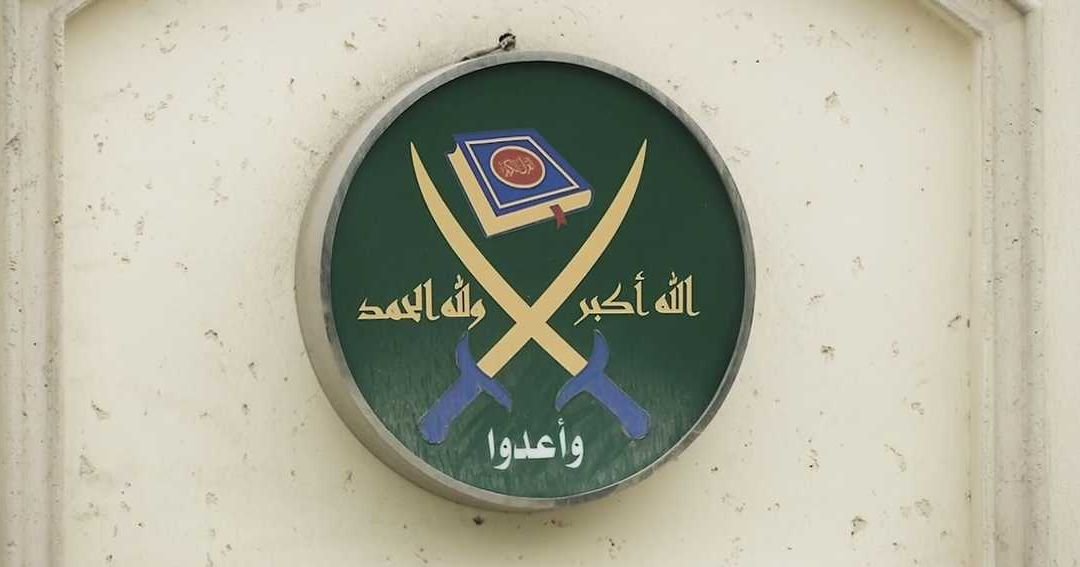
A Tunisian researcher has leveled sharp criticism against the Muslim Brotherhood, arguing that the organization has played a significant role in obstructing reformist trajectories across the Arab world. The critique highlights a perceived disconnect between the group’s political influence and the broader aspirations for modernization within regional societies.
The analysis posits that the influence exerted by the group has acted as a barrier, effectively preventing the dissemination of modern, reform-oriented ideas from elite intellectual circles to the wider public. According to the researcher, this dynamic has stalled the progress of social and political evolution in many Arab nations, where the group’s ideological framework has historically competed with secular and modernist movements.
For decades, the role of political Islamic movements in the Middle East and North Africa has been a subject of intense debate among scholars, policymakers, and civil society actors. The researcher’s assessment suggests that by consolidating ideological control, the organization hindered the organic development of democratic values and institutional reform. The argument centers on the idea that instead of facilitating a transition toward inclusive governance and contemporary social standards, the movement’s presence and activities often served to entrench traditionalist structures that are resistant to outside, progressive reform initiatives.
The implications of this critique are significant for understanding the internal political dynamics of the region. As countries across the MENA region grapple with the challenges of economic transition, social change, and political stability, the historical impact of the Muslim Brotherhood remains a central pillar of the discourse on reform. The researcher’s comments reflect a growing sentiment among some regional commentators that the ideological dominance of such groups has created an insular environment, effectively sheltering parts of the population from the influence of global modernization trends.
Furthermore, the assertion that the movement effectively isolated societal progress suggests a profound influence on the public sphere. By maintaining a firm grip on the discourse within its organizational framework, the group is accused of having monopolized the political narrative, thereby limiting the scope for alternative reformist agendas to gain traction at the grassroots level. This perspective adds to the ongoing evaluation of how non-state political actors have historically shaped the prospects for development in Arab societies.
While the region continues to undergo rapid social and political shifts, the debate over the historical legacy of the Muslim Brotherhood serves as a reflection of the competing visions for the future of the Middle East and North Africa. Whether this influence is perceived as a primary cause for the stagnation of reforms or as a consequence of broader socio-political environments, the discussion remains a critical component of regional political analysis.