18 Arab and Islamic Nations Condemn Raid on Nasser Medical Complex
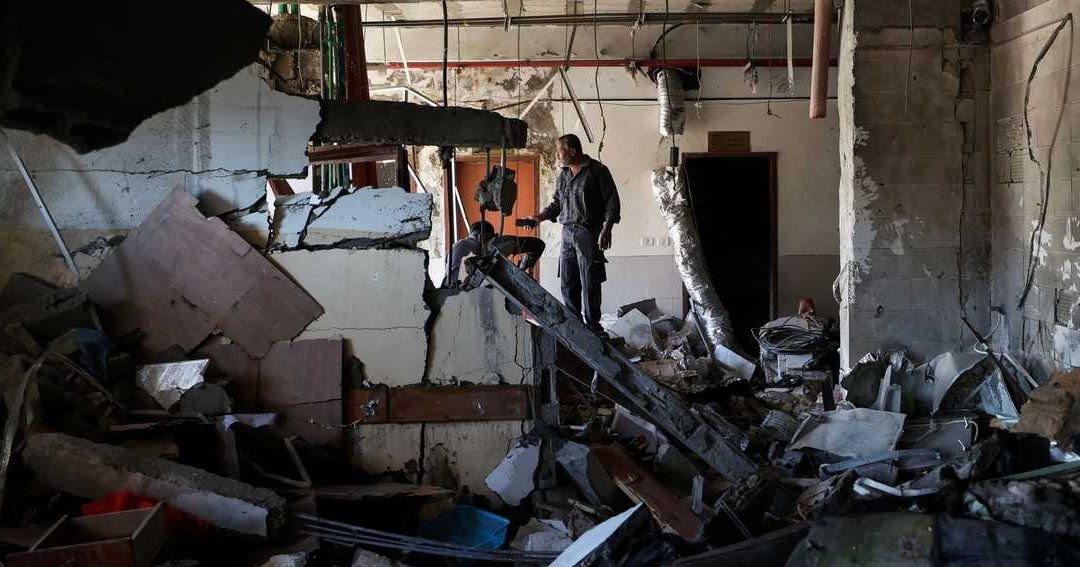
In a significant diplomatic development, 18 Arab and Islamic nations have issued a unified condemnation of the recent Israeli military operation targeting the Nasser Medical Complex in Khan Yunis, located in the southern Gaza Strip. The collective statement represents a sharp escalation in regional diplomatic pressure regarding the protection of medical infrastructure and civilian humanitarian facilities within the Palestinian territory.
The Nasser Medical Complex, which serves as a critical healthcare lifeline for thousands of displaced persons and patients in southern Gaza, has been a focal point of intensifying military activity. The condemnation from the 18 states highlights the growing regional alarm over the humanitarian crisis unfolding within the medical sector in Gaza, where healthcare facilities have been severely impacted by the ongoing conflict.
While the specific diplomatic language focused on the regional concern for the safety of medical staff, patients, and those sheltering at the hospital site, the intervention underscores the high level of coordination among these nations regarding the current status of the war in Gaza. The grouping of states, which includes various members of the Arab League and the Organization of Islamic Cooperation, emphasized the necessity of upholding international humanitarian law, particularly the protected status of hospitals during periods of active combat.
The incident at the Nasser Medical Complex has drawn international scrutiny, but the formal, unified response from the 18 Arab and Islamic governments reflects the acute sensitivity of the issue within the Middle East. Regional leaders have consistently warned that the degradation of Gaza’s medical infrastructure poses a catastrophic risk to the civilian population, further complicating efforts to maintain humanitarian aid corridors and essential healthcare services.
This diplomatic rebuke serves as a clear indication of the alignment among these nations in their stance toward the conflict’s impact on civil society in Gaza. As the situation remains fluid, the condemnation from these 18 countries is expected to form a central pillar of upcoming regional security and diplomatic discussions concerning the protection of humanitarian actors and civilian facilities in the Gaza Strip. The focus remains heavily on the immediate cessation of actions that threaten the integrity of hospital infrastructure, which has become a primary point of friction between the international community and the current military engagement in the region. The collective call to action underscores the intensity with which these countries view the preservation of medical institutions as a prerequisite for any meaningful humanitarian de-escalation in the Palestinian territories.