Massad Boulos Announces Libya Institutional Unification Initiative
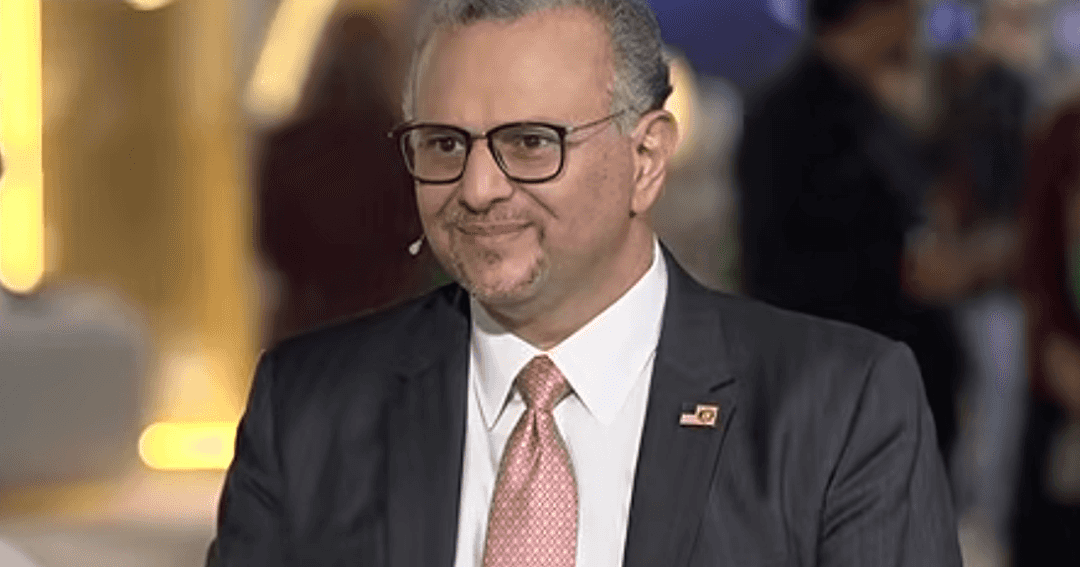
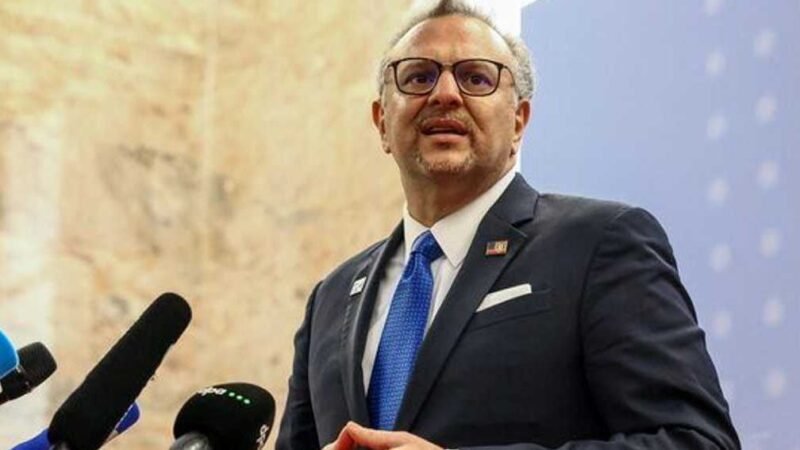
Massad Boulos, serving as an advisor to the U.S. President on Arab and African affairs, has announced a significant development in the efforts to stabilize Libya. According to Boulos, political leaders from both the eastern and western regions of the country have engaged in over a year of intensive, good-faith negotiations to establish a unified framework for national governance.
The initiative, which Boulos described as a historic milestone, focuses on the consolidation of Libya’s fragmented state institutions. Specifically, the efforts aim to bring together the country’s military, political, judicial, and economic bodies under a unified administrative structure. This structural alignment is intended to serve as a foundational step toward resolving the protracted political impasse that has hindered the nation’s progress for years.
The primary objective of this institutional integration is to pave the way for long-awaited national elections. By harmonizing state institutions, the involved parties seek to establish the necessary conditions for credible parliamentary and presidential polls. Such elections are widely viewed as the essential mechanism for restoring full democratic legitimacy and stability to Libya, which has remained politically divided since the 2011 uprising.
In his statement, Boulos emphasized the commitment shown by Libyan leaders to this cause, noting that the participants have worked tirelessly to overcome deep-seated regional and factional differences. The move to unify these sectors is considered critical, as the current dual administration and parallel institution system have frequently obstructed national service delivery, security coordination, and economic policy implementation.
Furthermore, Boulos issued a stern warning to any actors who may attempt to obstruct or undermine this initiative. The message underscored that those acting as spoilers to the unification process would face consequences, highlighting the importance of the international community’s support for the transition. This focus on preventing spoilers suggests a heightened level of diplomatic vigilance as the process enters its next phase.
The announcement comes at a sensitive time for the North African nation, where the international community continues to push for a sustainable resolution to the conflict. While the path toward the proposed elections remains complex and subject to the ongoing cooperation of various stakeholders, the push for institutional unification represents a significant push to end the paralysis that has long characterized the post-2011 political landscape.
As the initiative moves forward, the success of the process will depend largely on the ability of the eastern and western factions to maintain their commitment to the established roadmap. The involvement of international advisors in monitoring this transition reflects the high stakes surrounding Libya’s stability and its impact on broader regional security in North Africa.