US Accuses Tehran of Using Iraqi Militias to Plunder National Resources
The United States Department of State has issued a formal accusation against the government of Iran, alleging that Tehran is actively utilizing Iraqi militias to misappropriate the resources of the Iraqi people. The statement marks a significant escalation in Washington’s rhetoric regarding foreign influence over Iraq’s domestic economic stability and security landscape.
The allegations, which focus on the systematic extraction of wealth, specifically cite the role of armed groups, including the Iran-aligned Kata’ib Hezbollah, in facilitating illicit activities. According to officials, these groups have been leveraged to bypass state oversight and divert vital national assets, directly undermining the financial sovereignty of the Iraqi state.
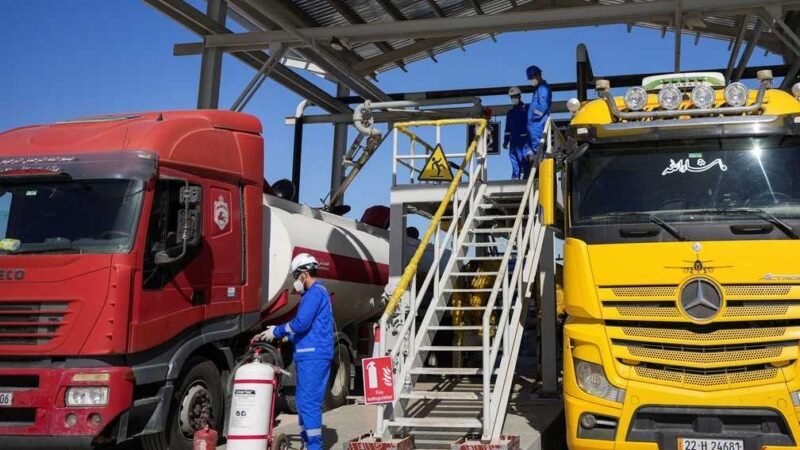
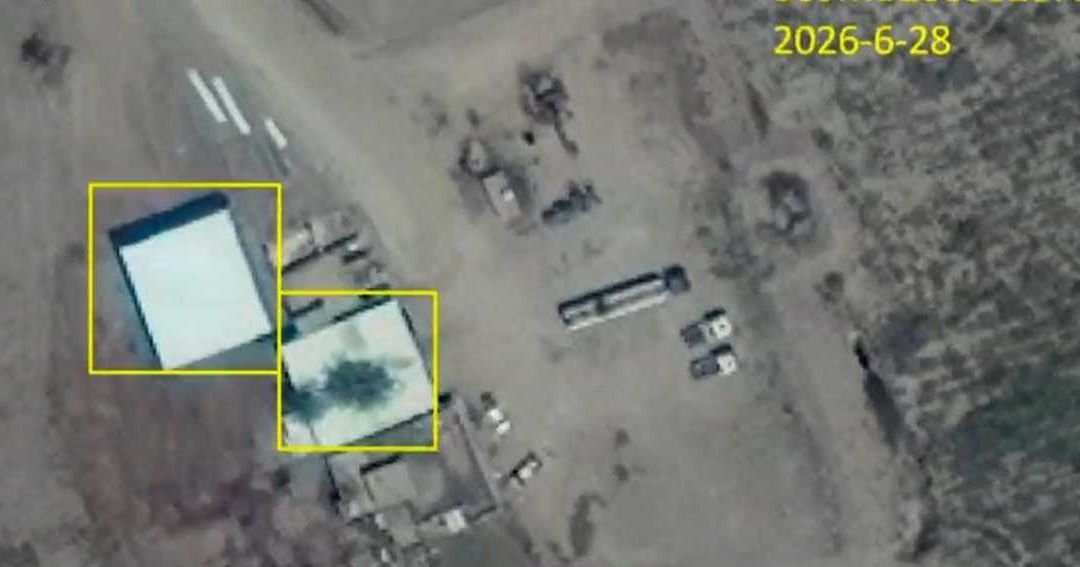
The public acknowledgment from the State Department follows mounting scrutiny over activities in sensitive areas such as Jurf al-Sakhar. Reports regarding documentation obtained by regional media outlets have pointed toward organized operations involving the smuggling of petroleum derivatives. These activities are characterized as not only a breach of national security but also as a direct challenge to the economic recovery and stability of Iraq, as these resources are intended to serve the public interest rather than the agendas of foreign-backed factions.
The United States has long expressed concern regarding the activities of proxy groups operating within Iraq. This latest development underscores a deepening concern that these militias, which operate outside of traditional state control, are effectively acting as instruments for Tehran’s interests, particularly in the energy sector. By controlling logistical nodes and energy production sites, these groups are alleged to be generating significant revenue that operates entirely outside the purview of the Iraqi national budget.
The accusation serves as a warning that international observers are closely monitoring the intersection of militia activity and the illicit trade of natural resources. The mention of specific geographic locations like Jurf al-Sakhar highlights a strategic focus on areas where state authority has been significantly diminished by the presence of armed groups. As the Iraqi government continues to face internal pressures regarding economic reform and infrastructure development, the siphoning of energy resources poses a persistent hurdle to national growth and effective governance.
The US position emphasizes that these practices are detrimental to the welfare of the Iraqi population, depriving the state of critical income necessary for public services and national reconstruction. While tensions in the region remain high, this development highlights the economic dimension of the ongoing political and security struggles within Iraq, where the control of resources remains a central point of contention between state institutions and non-state actors supported by outside powers. As of now, the situation remains a focal point for international diplomacy and regional security analysis, given the profound implications of such economic interference on Iraq’s long-term stability.