

Iran Hardens Stance on Hormuz Transit Requirements
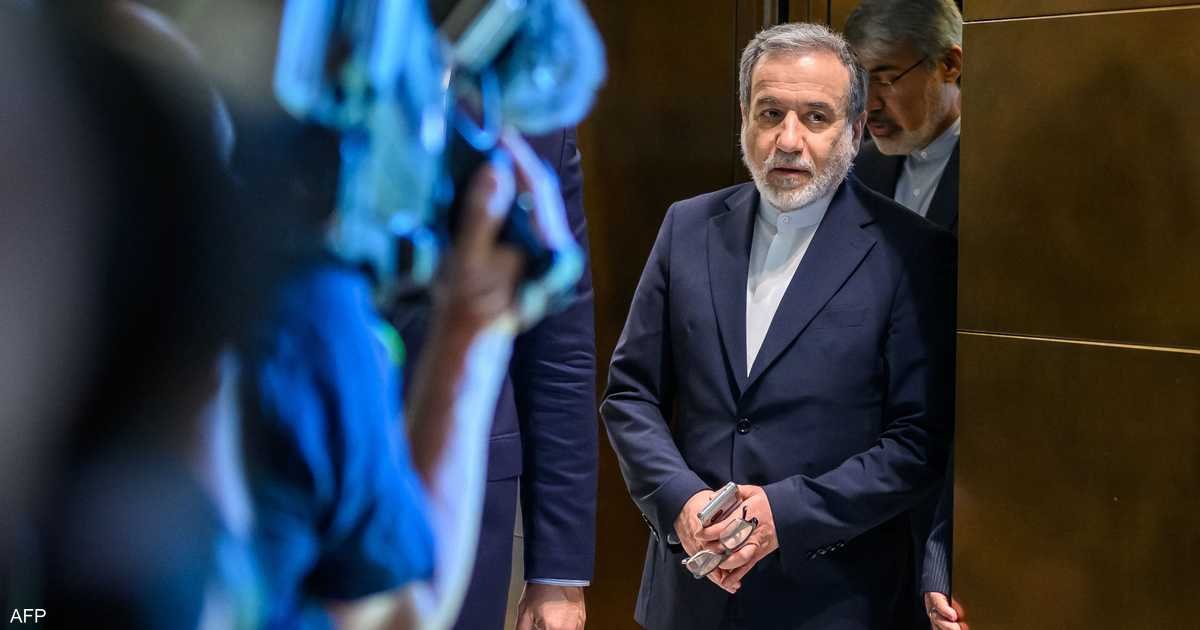
Tehran has formally raised the threshold for conditions required to reopen the Strait of Hormuz, effectively cooling recent expectations that a breakthrough in the maritime crisis was imminent. The announcement comes as a significant setback to international efforts aimed at de-escalating tensions in one of the world’s most critical energy transit corridors.
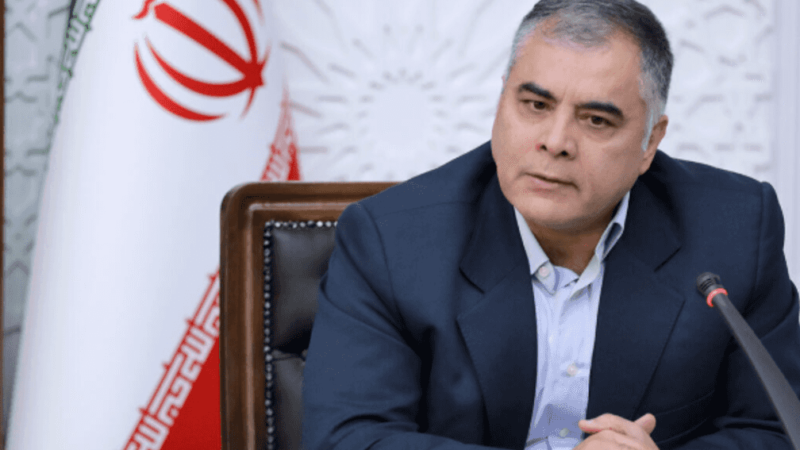
Despite recent diplomatic engagements and the Iranian government’s reported proximity to finalizing a maritime agreement with the Sultanate of Oman, officials in Tehran clarified on Saturday that such technical progress does not equate to a return to normal shipping operations. The Iranian leadership indicated that the restoration of standard traffic through the strait remains contingent upon specific demands, most notably the requirement for American financial compensation and broader policy concessions.
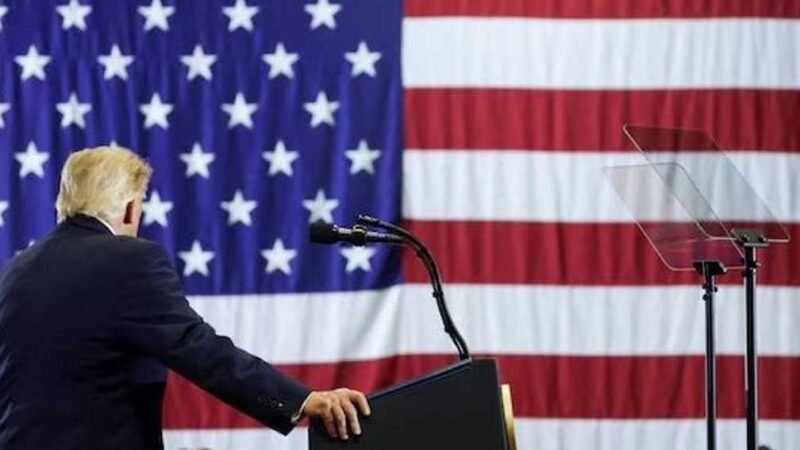
This shift in rhetoric has countered the narrative of optimism previously shared by American officials, who had signaled that the Omani-led diplomatic track might soon provide a resolution to the ongoing impasse. By tethering the freedom of navigation to high-level political and financial demands, Iran has signaled that the maritime route, which serves as a major artery for global oil and liquefied natural gas exports, remains a strategic leverage point in its broader confrontation with Washington.
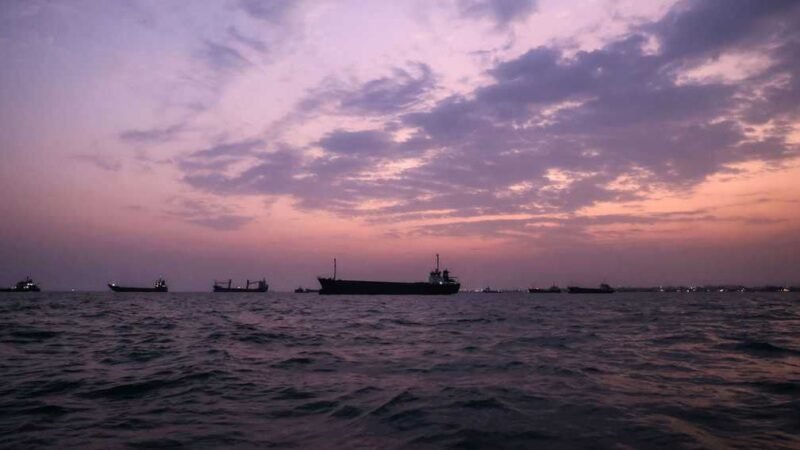
The Strait of Hormuz is a narrow waterway separating Iran from the Arabian Peninsula, and its closure or restriction has immediate, far-reaching implications for regional stability and global energy markets. With a substantial portion of the world’s seaborne oil passing through its waters, the current recalcitrance from Tehran introduces a new layer of uncertainty for international shipping companies and energy importers alike.
While the Omani government has sought to play a mediating role to prevent a total cessation of maritime commerce, the Iranian stance suggests that bilateral technical discussions are subordinate to the wider geopolitical tensions between the Islamic Republic and the United States. Tehran has emphasized that until its specific conditions—framed as compensatory requirements—are met by the American side, the current restrictions on transit will remain in effect.
Analysts note that the explicit linking of the transit corridor to compensation marks a hardening of Tehran’s position, signaling that the ongoing tensions in the Gulf are unlikely to see a swift, localized resolution. As the situation remains fluid, stakeholders continue to monitor the impact of these developments on energy security and the prospect of further diplomatic intervention in the region.