


Iraq Issues Arrest Warrants for Former Minister Ahmed al-Asadi
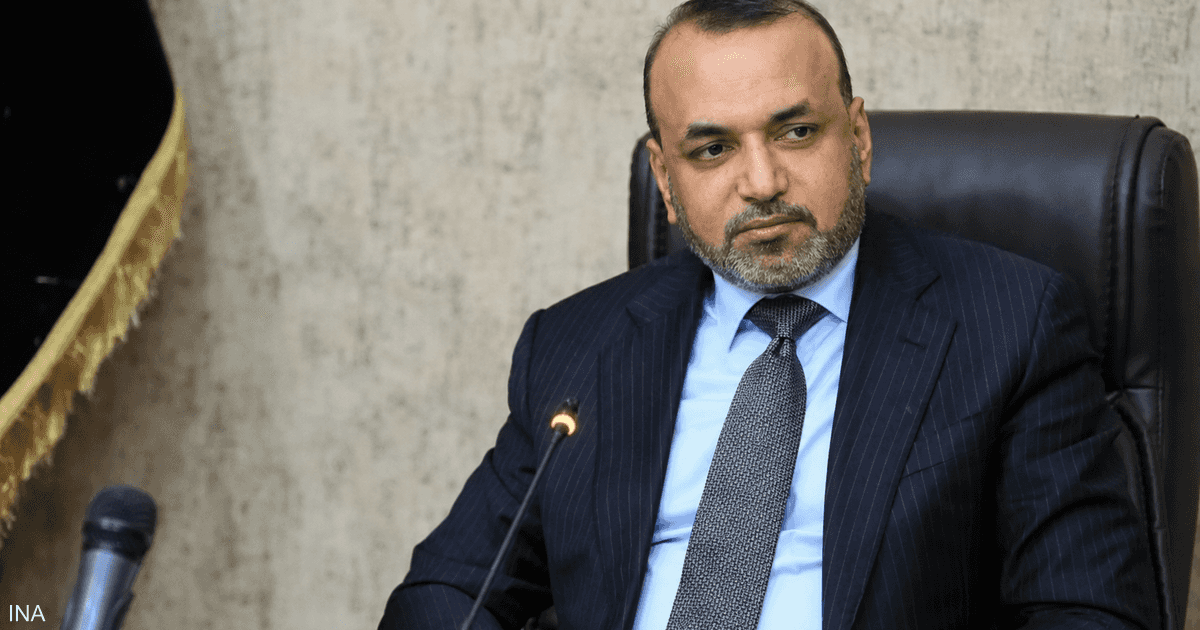
The Central Anti-Corruption Criminal Court in Iraq has issued two warrants for the arrest and search of Ahmed al-Asadi, the former Minister of Labor and Social Affairs and a sitting member of the Iraqi parliament. The judicial action, announced this Sunday, follows a series of investigations into allegations of illicit enrichment and the misuse of public office.
The warrants specifically target claims that al-Asadi engaged in corrupt practices, including the exploitation of government contracts for personal gain, in direct violation of existing Iraqi laws. The judiciary has intensified its scrutiny of high-level officials as part of a broader, government-backed initiative to tackle systemic financial impropriety that has long plagued state institutions.
The proceedings represent a significant development in the oversight of senior political figures in Baghdad. The Anti-Corruption Criminal Court has been at the forefront of efforts to hold officials accountable for the mismanagement of state funds and the manipulation of procurement processes, which continue to be major points of contention in Iraqi politics.
While the warrants are preliminary legal steps, they underscore the escalating pressure on political actors in Iraq to demonstrate transparency. The accusations against al-Asadi touch upon concerns regarding the intersection of political influence and economic gain, a recurring theme in the discourse surrounding government stability and public trust in the country.
As the legal process unfolds, authorities are expected to move forward with the enforcement of these warrants as part of the broader anti-graft mandate. The court’s move is viewed by legal observers as a test of the efficacy of the current judicial system in addressing white-collar crime among the political elite. Al-Asadi, who has held significant ministerial and parliamentary roles, now faces a major legal challenge that could have lasting implications for his political career and the ongoing anti-corruption efforts within the Iraqi state.
The Iraqi government has repeatedly signaled that the fight against corruption remains a top priority, citing its impact on the nation’s economic development and the effectiveness of public services. The judicial system, through the specialized anti-corruption chambers, continues to process cases involving various former and current officials accused of similar violations. Further updates are expected as the investigation into these specific allegations proceeds, with the public and political spheres closely watching how the judiciary handles the case of a prominent parliamentarian. The court has mandated that all necessary measures be taken to facilitate the execution of the search and arrest orders in accordance with the criminal procedure code of Iraq.