St. George Church: A Historic Site in Jordan’s Karak Governorate
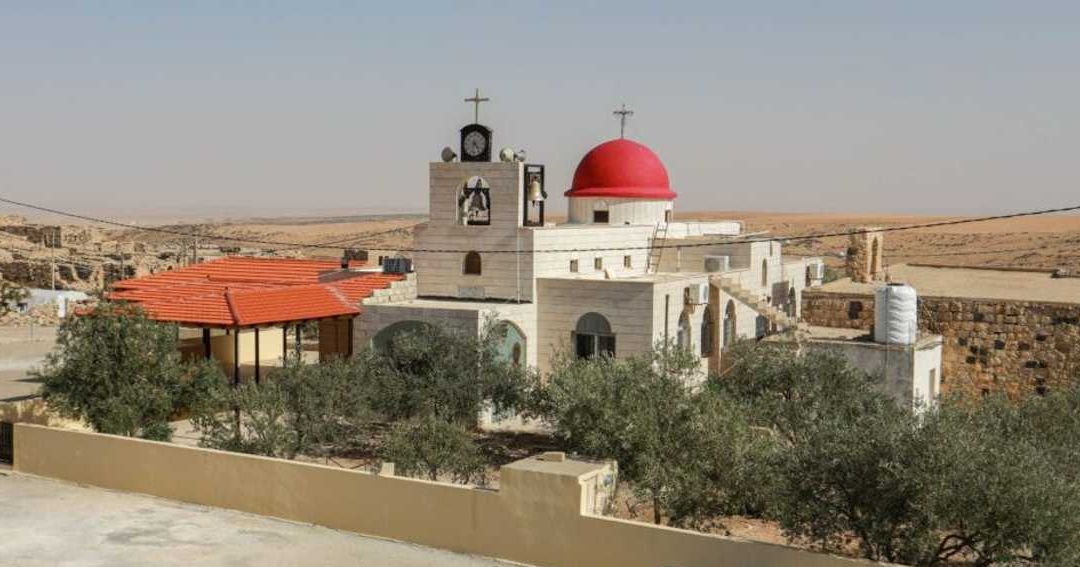
The Church of Saint George, located in the village of Hamoud within the Karak Governorate in southern Jordan, stands as a notable religious and cultural landmark in the region. The site operates under the ecclesiastical authority of the Greek Orthodox Patriarchate of Jerusalem, serving the local Christian community and maintaining a historical presence in the governorate.
According to the official directory of churches affiliated with the Greek Orthodox Patriarchate in the Hashemite Kingdom of Jordan, the parish of St. George is recognized as an established religious institution. The structure in Hamoud is part of a broader network of churches that oversee the spiritual needs of congregants across the southern regions of the country.
Karak, a historic governorate known for its deep-rooted social and cultural history, has long been characterized by the coexistence and integration of various religious communities. The presence of the Church of Saint George reflects the enduring legacy of Christian denominations within the Jordanian social fabric. The church acts as a focal point for the village of Hamoud, contributing to the local community’s religious life and preserving the ecclesiastical traditions overseen by the Jerusalem Patriarchate.
As one of the recognized religious sites in the southern territories of the Kingdom, the church is listed among the official properties and parishes documented by the Patriarchate. These sites are regularly cataloged to ensure the administration of spiritual services and the maintenance of religious heritage throughout Jordan. The site remains a point of reference for researchers and regional observers interested in the distribution and history of Orthodox parishes across the Levant.
The Greek Orthodox Patriarchate of Jerusalem manages a significant number of dioceses and parishes throughout the Hashemite Kingdom, coordinating efforts to maintain these historic structures. The Church of St. George in Hamoud is illustrative of this administrative reach, highlighting the structural organization that links local village parishes to the wider regional ecclesiastical hierarchy. The continued function of the church reinforces its role as a stable element within the rural landscape of the Karak Governorate, providing a site of continuity for the local population and preserving the architectural and religious traditions of the area.