

Iran’s Mohsen Rezaee Issues Fresh Ultimatum Regarding Strait of Hormuz
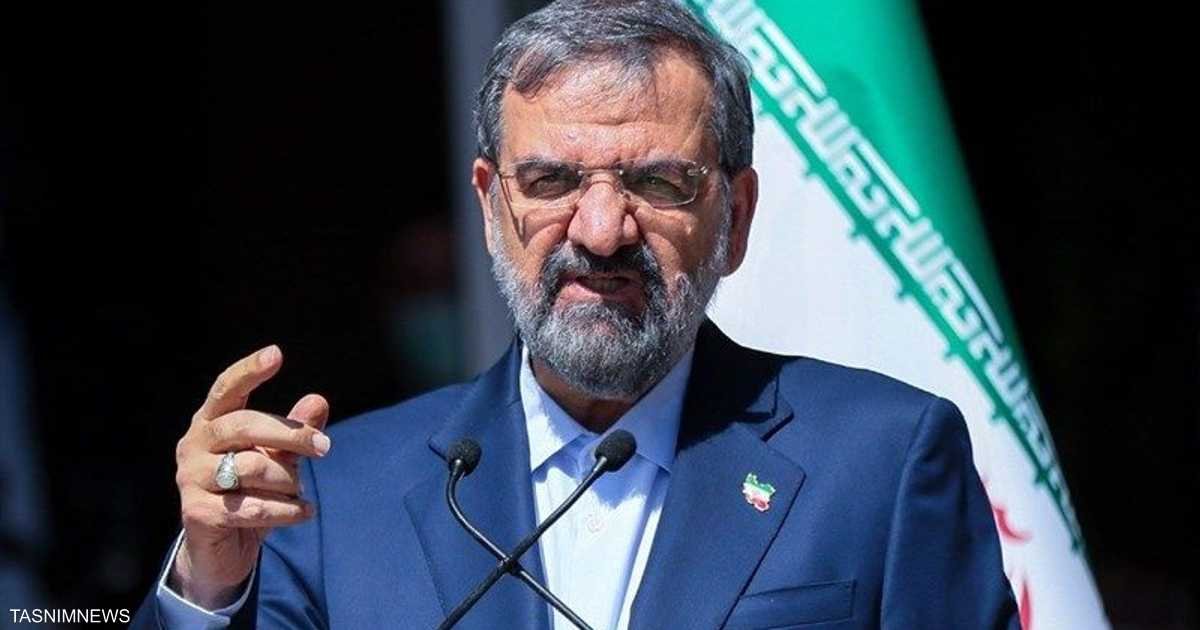
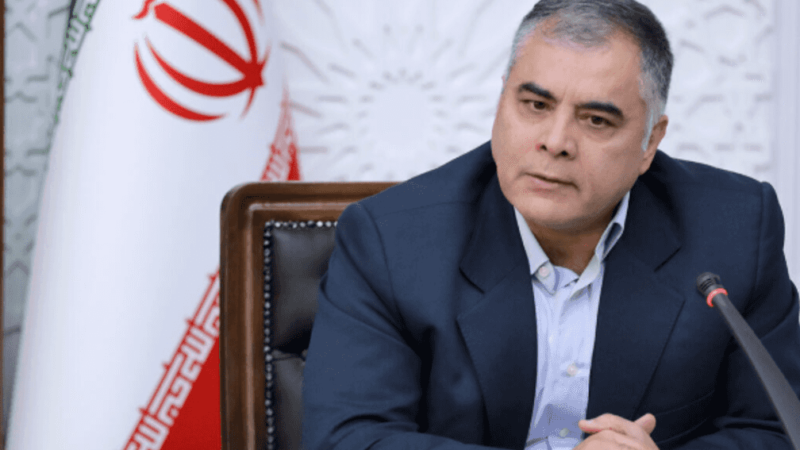
In his first official remarks since assuming the role of Secretary of the Supreme National Security Council, Mohsen Rezaee has signaled a significant shift in Iran’s strategic posture toward the United States. The veteran official has notably elevated the threshold of demands regarding the security and navigation of the Strait of Hormuz, a critical maritime chokepoint for global energy markets.
The announcement comes at a sensitive time for regional security, as Tehran continues to navigate complex diplomatic tensions with Washington. By directly linking the status of the Strait of Hormuz to a new set of conditions, Rezaee has effectively placed the issue at the center of ongoing geopolitical friction. The move suggests a more assertive approach by the newly reconstituted national security apparatus under his leadership, indicating that Iran is prepared to utilize its control over the strategic waterway as a primary lever in its broader negotiations.
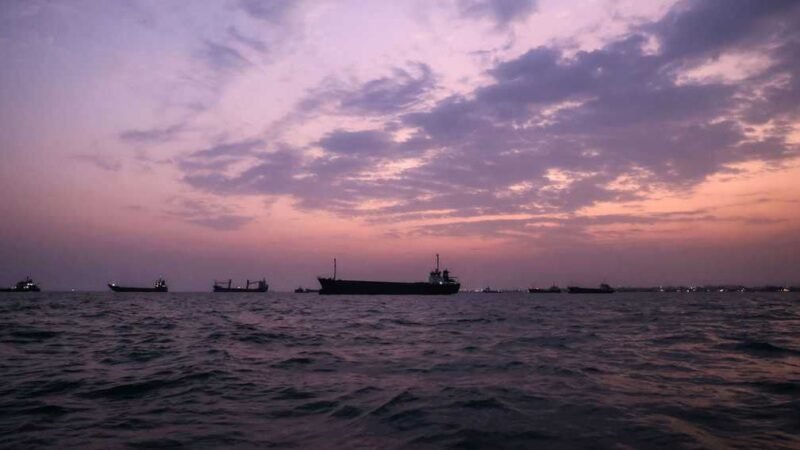
The Strait of Hormuz remains a vital artery for the global oil and gas trade, with a substantial portion of the world’s petroleum supply passing through its narrow waters daily. Any move to restrict or threaten transit through the strait holds immediate consequences for the stability of international energy supplies and regional security architectures. Rezaee’s comments imply that the Iranian government is recalibrating its foreign policy to prioritize domestic security goals through the application of its maritime strategic assets.
While the specific nature of these heightened demands has yet to be fully detailed in the current diplomatic discourse, the shift in rhetoric from the Supreme National Security Council suggests a departure from previous engagement patterns. Analysts note that Rezaee, having a long history of involvement in Iran’s military and security affairs, brings a distinct focus on hard power strategies to his new civilian-facing role. His emergence at the helm of the council signifies a hardening of Iran’s negotiation tactics, specifically targeting U.S. policy in the Middle East.
The international community remains on high alert as these developments unfold. The potential for a escalation in the rhetoric concerning the waterway has historically led to volatility in energy markets and heightened defensive postures among regional actors who rely on the strait for economic stability. As the situation develops, the focus remains on whether these public declarations will translate into tangible policy shifts on the ground or if they serve primarily as a strategic realignment intended to pressure Washington ahead of future diplomatic engagements. With this latest development, the administration in Tehran has clearly signaled that its patience for the status quo in maritime security is waning, setting the stage for a more confrontational phase in its dealings with the United States.