

Esmail Qaani Visits Baghdad for High-Level Security Consultations
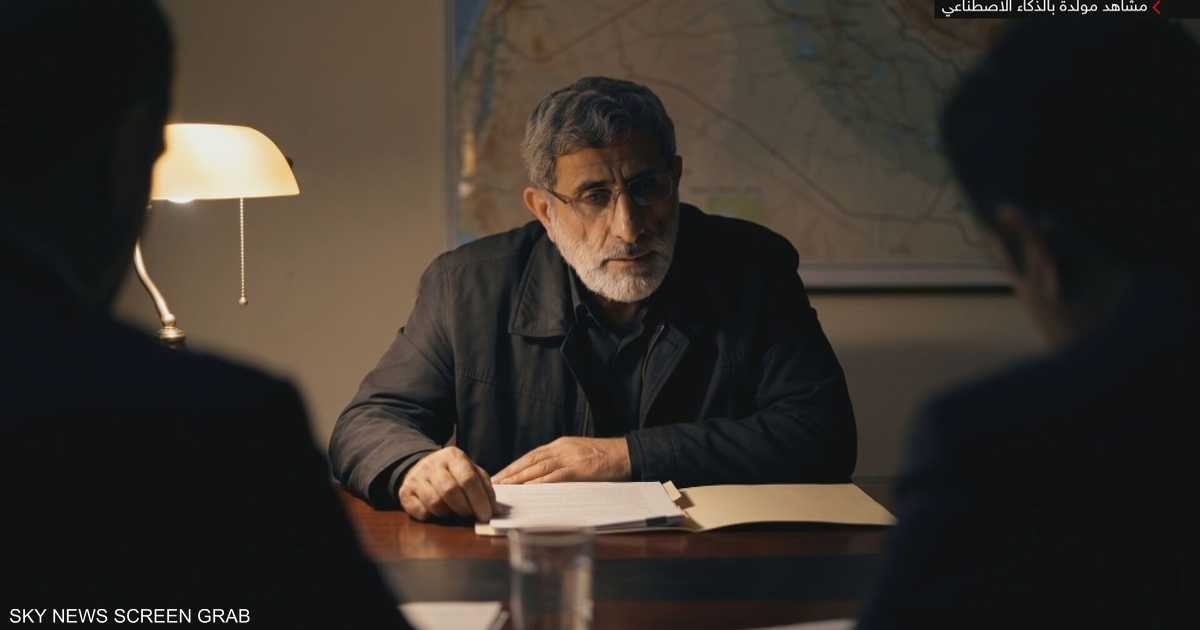
The commander of Iran’s Quds Force, Esmail Qaani, has arrived in Baghdad leading a high-level military and security delegation, marking a significant and surprise diplomatic move in the Iraqi capital. The visit has triggered intense discussion within political and security circles in Baghdad regarding the evolving regional landscape and the internal dynamics of Iraq’s security apparatus.
According to reports from the capital, Qaani has already commenced a series of critical meetings with prominent figures in the Coordination Framework, an influential alliance of Iraqi political parties and groups. Among the key figures meeting with the Iranian commander is the leader of the Badr Organization, Hadi al-Amiri. These discussions are understood to focus on the complex political landscape in Iraq and the future of the nation’s various armed factions.
The timing and nature of the visit suggest a high-stakes effort to coordinate regional security policies and internal Iraqi security strategies. Given the prominent role of the Coordination Framework in the current administration and the legislative landscape of Iraq, the meetings are being closely watched by observers for signs of shifts in the operational posture or political alignment of the various factions involved.
The presence of such a senior Iranian security delegation in Baghdad underscores the long-standing and intricate security ties between Tehran and key Iraqi political stakeholders. Central to these discussions is the ongoing debate surrounding the future of these factions’ armaments and their role within the broader Iraqi state security architecture. The dialogue is particularly sensitive as it involves balancing the political aspirations of the various factions within the Coordination Framework with the strategic interests of regional actors.
Observers in Baghdad note that the visit comes at a pivotal moment, as regional tensions continue to influence the domestic agendas of neighboring nations. While specific details of the discussions remain behind closed doors, the focus remains firmly on the security and political trajectories of the Iraqi state. As the meetings continue, the focus for both internal and external stakeholders is on whether this engagement will lead to a consolidation of current security arrangements or signal a new approach to the integration and management of non-state armed actors. For now, the Iraqi political scene remains in a state of heightened anticipation as the results of these consultations are expected to reverberate across the country’s delicate political balance.