

Strait of Hormuz: A Focal Point for US-Iran Tensions
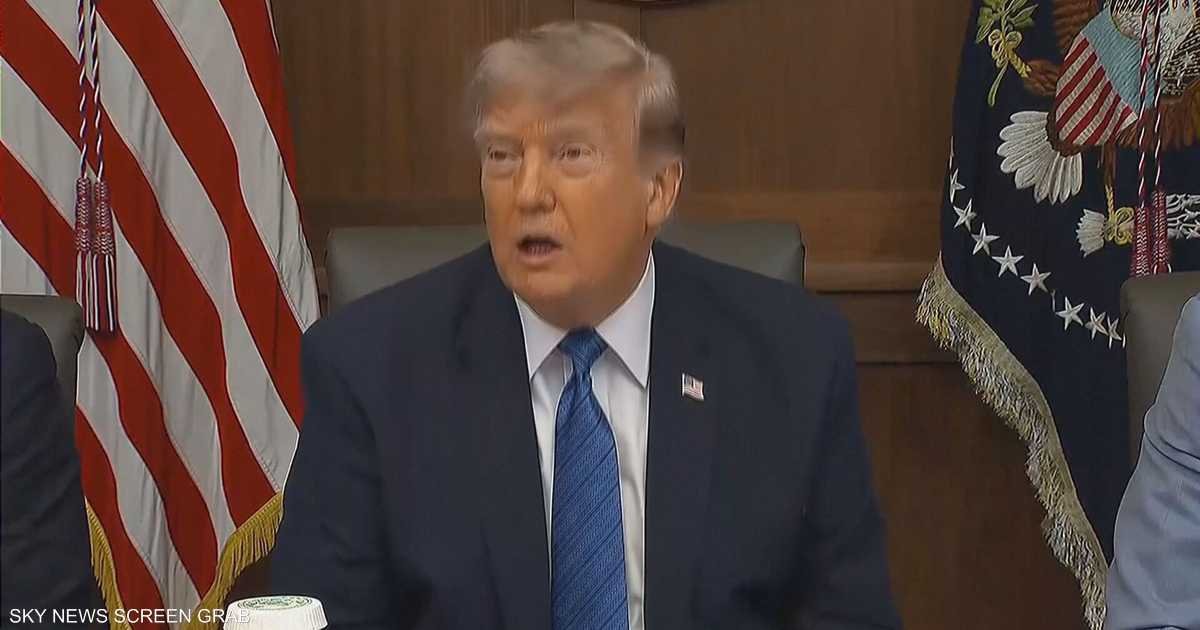
The Strait of Hormuz, one of the world’s most vital maritime chokepoints, is increasingly becoming the center of gravity in the strained relationship between the United States and Iran. As international scrutiny turns toward regional security, experts note that the waterway has transformed into a highly sensitive bargaining chip in the ongoing geopolitical struggle between Tehran and Washington.
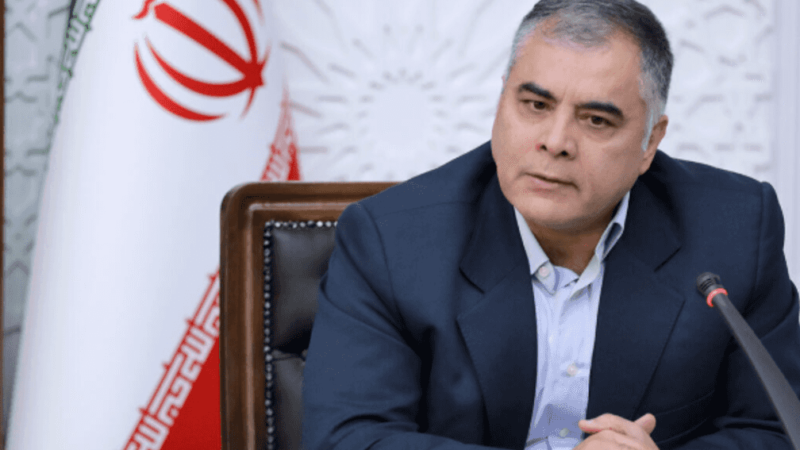
Awad Al-Breiki, head of the Trends Global sector at the TRENDS Research and Advisory center, recently highlighted the multifaceted nature of this confrontation. During a discussion on regional security, Al-Breiki emphasized that the situation in the Strait is not merely a matter of maritime traffic, but a complex intersection of military posturing, economic leverage, and diplomatic maneuvering. The waterway, which facilitates a significant portion of the world’s daily oil transit, serves as an acute indicator of the broader instability defining US-Iran relations.
The current atmosphere of tension is characterized by an intricate mix of strategy and reaction. While military activities in the Gulf continue to draw international attention, these movements are deeply intertwined with the underlying diplomatic efforts of both nations. The ability of either side to exert influence over the Strait is often utilized to adjust the parameters of negotiation, as economic pressures and security threats create a cycle of action and reaction that impacts the region at large.
Observers suggest that the sensitivity of the Strait of Hormuz lies in its role as a strategic lever. For Iran, the maritime corridor offers a unique position of influence in its interactions with global powers. Conversely, for the United States, maintaining the freedom of navigation and ensuring the flow of energy resources remains a cornerstone of its regional policy. These competing objectives have led to a scenario where military and economic escalations are frequently used as proxies for diplomatic demands.
The volatility surrounding the Strait is further complicated by the broader regional landscape, where security alliances and economic interests are constantly recalibrated. As the international community watches these developments closely, the consensus among analysts remains that the Strait will continue to function as the primary theater for testing the limits of US-Iran engagement. Any shift in the diplomatic status quo, or any further increase in economic sanctions, is likely to find an immediate expression in the security dynamics of this critical maritime passage. As the situation evolves, the interplay between regional stakeholders and international powers will remain a pivotal factor in maintaining—or disrupting—the fragile stability of the area.