

Iran-US Relations: Between Diplomatic Mediation and Escalation
The diplomatic landscape between Iran and the United States continues to be characterized by deep uncertainty, with the bilateral relationship hovering in a precarious gray zone. Despite ongoing discussions regarding the progress of international mediation efforts intended to lower regional tensions, there remains no concrete evidence of an imminent comprehensive settlement. Conversely, the persistent possibility of a return to active military confrontation remains a focal point of regional concern.
Recent developments underscore a cyclical pattern in the engagement between the two nations. On one hand, there are reports of back-channel communications and various regional actors attempting to facilitate a de-escalation of the current impasse. Such efforts are generally aimed at preventing direct friction and managing the volatile dynamics that have defined the Iran-US relationship for years. Proponents of these efforts argue that consistent diplomatic pressure, coupled with regional interest in stability, could eventually pave the way for a more sustainable framework for engagement.
However, these optimistic signals are frequently countered by warnings of heightened military posturing. The region remains on alert as both sides navigate a complex security environment. Rhetoric from both Washington and Tehran continues to reflect the fragility of the current status quo, where neither side has shown a willingness to significantly compromise on core strategic demands. This has left the situation in a state of suspended animation, where the absence of a formal diplomatic breakthrough keeps the prospect of renewed hostilities a viable, albeit undesirable, scenario.
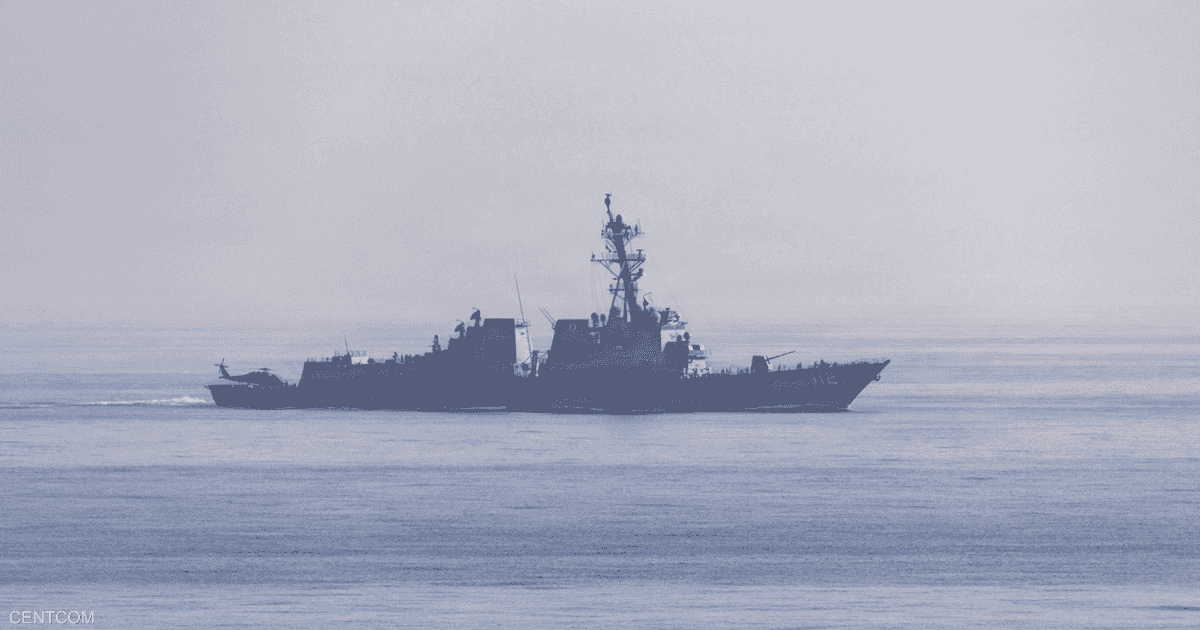
Analysts have noted that the lack of momentum toward a formal agreement serves to amplify the risks associated with miscalculation. The interplay between diplomatic initiatives and the continued deployment of regional military assets suggests that both nations are maintaining a posture of deterrence. For the international community and the Middle East specifically, the primary challenge remains the inability of current mechanisms to bridge the fundamental divide between the two powers.
As the situation persists, regional stakeholders are closely observing the balance between political maneuvering and defense readiness. The current phase is defined not by a movement toward resolution, but by a delicate management of risks. With no clear roadmap to a settlement, the primary objective for many observers is the containment of the standoff to prevent it from spilling over into a wider conflict that would have profound regional consequences. Whether these mediation efforts can overcome the prevailing atmosphere of mutual suspicion remains the critical question in the ongoing saga of Iran-US relations.