

Trump Declares Full U.S. Control Over the Strait of Hormuz
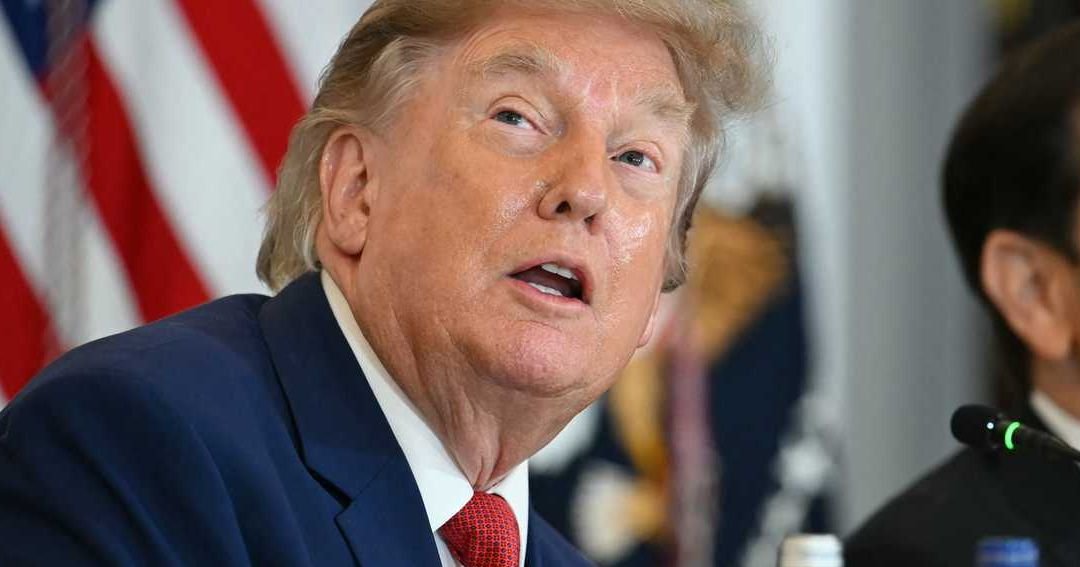
Former U.S. President Donald Trump stated on Wednesday that the United States currently exercises “full control” over the Strait of Hormuz. The remarks underscore a firm stance on the strategic waterway, which serves as one of the world’s most critical maritime chokepoints for global energy supplies.
During his comments, the former president emphasized his belief that Washington would continue to maintain this level of control in the region. The Strait of Hormuz is vital for the global economy, as it represents the primary transit route for a significant portion of the world’s oil exports originating from Gulf nations. Its security remains a central pillar of regional stability, directly impacting the energy markets of both the Middle East and the international community.
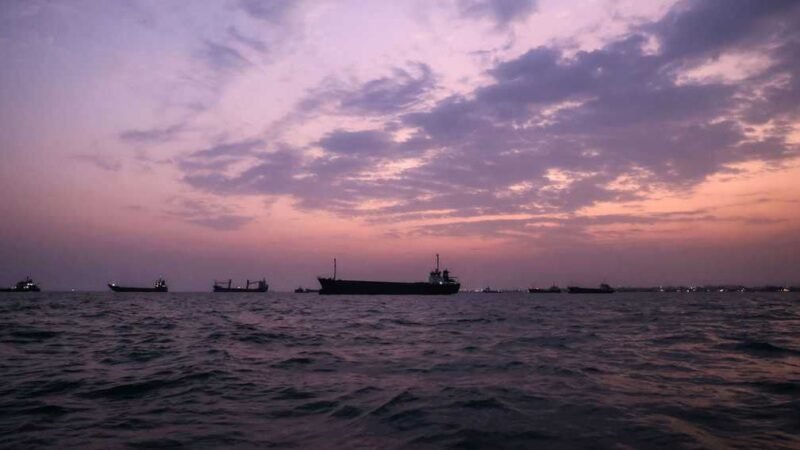
The declaration follows long-standing geopolitical tensions involving maritime security in the Gulf. The Strait, bordered by Iran to the north and Oman and the United Arab Emirates to the south, has frequently been a focal point for security concerns, including naval confrontations and incidents involving commercial shipping vessels.
By asserting that the U.S. holds complete authority over the strait, Trump’s comments highlight the ongoing U.S. military posture in the region, which has traditionally focused on ensuring the freedom of navigation and the uninterrupted flow of global energy resources. For years, the presence of the U.S. Fifth Fleet, based in Bahrain, has been the primary mechanism through which Washington projects this influence. The former president’s statement serves to reiterate a long-standing U.S. policy objective: preventing any singular regional power from disrupting the transit of international cargo through these narrow waters.
While the Strait is technically shared by littoral states, international maritime law, bolstered by the U.S. naval presence, ensures the right of transit passage for all commercial and military vessels. Analysts note that Trump’s rhetoric reflects a commitment to a “maximum pressure” style of diplomacy that seeks to project overwhelming strength in critical maritime zones. The assertion of control is consistent with his administration’s historical prioritization of energy security and the containment of influence from competing regional powers, particularly Iran, whose coastline spans the length of the Strait.
As global markets continue to monitor the stability of the Gulf, such statements underline the high stakes involved in the security of the waterway. The Strait remains a barometer for regional tensions, where any change in military posture or diplomatic rhetoric is closely scrutinized by Gulf Cooperation Council (GCC) member states, whose economies are intrinsically linked to the continuous operation of this maritime corridor. The U.S. commitment to this position remains a cornerstone of its strategic engagement in the Middle East.