


Strait of Hormuz Shipping Drops to 17% of Pre-Conflict Average
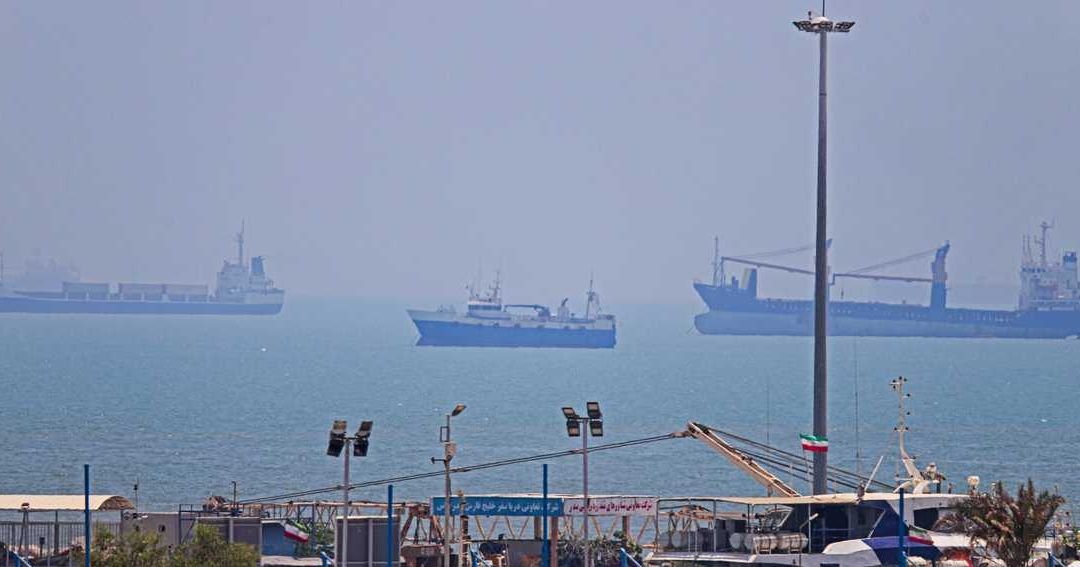
Commercial shipping activity through the Strait of Hormuz, one of the world’s most critical maritime chokepoints, has experienced a sharp decline over the past seven days. According to data provided by the British maritime trade operations, traffic through the strait has fallen to just 17 percent of its average volume recorded prior to the outbreak of the ongoing regional conflict.
The Strait of Hormuz serves as a vital artery for global energy markets, connecting the Gulf states to international destinations. The significant reduction in transit volume reflects the heightened security concerns and instability currently impacting the maritime corridors adjacent to the Arabian Peninsula and the Iranian coast. This dramatic shift in traffic underscores the profound impact that regional hostilities have had on commercial shipping operations, as vessels and shipping companies increasingly contend with the risks posed by the current geopolitical climate.
For major oil-producing nations in the region, the strait represents the primary gateway for crude exports destined for global markets. The sustainment of open and safe navigation through this corridor is essential for regional economic stability and the uninterrupted flow of global energy supplies. The current drop in maritime activity suggests a period of significant disruption, as stakeholders weigh the hazards associated with navigating the waterway against the logistical necessity of maintaining trade routes.
The decline in traffic is not merely a logistical challenge but a direct consequence of the volatility currently characterizing the regional maritime environment. As the region navigates these security challenges, the implications of reduced transit capacity are likely to be felt across the broader economic landscape, particularly for the nations that rely on these transit lines for their primary export revenues.
Security and maritime experts continue to monitor the situation closely, as the 17 percent figure represents a historical low for commercial transit through this strategic passage. While the data highlights the immediate impact of the conflict on global shipping, the long-term effects on regional trade and maritime insurance costs remain subjects of concern for governments and commercial entities alike. As the situation remains fluid, the reduction in traffic underscores the vulnerability of international trade to regional security developments in one of the world’s most critical zones for energy transport and global commerce. The international community, including regional powers and global stakeholders, remains focused on the security implications of this sustained decline in maritime throughput, as it reflects the broader instability currently gripping key transit points within the Middle East.