

IRGC Consolidates Domestic Power Amid Strategic Shift to Protracted War
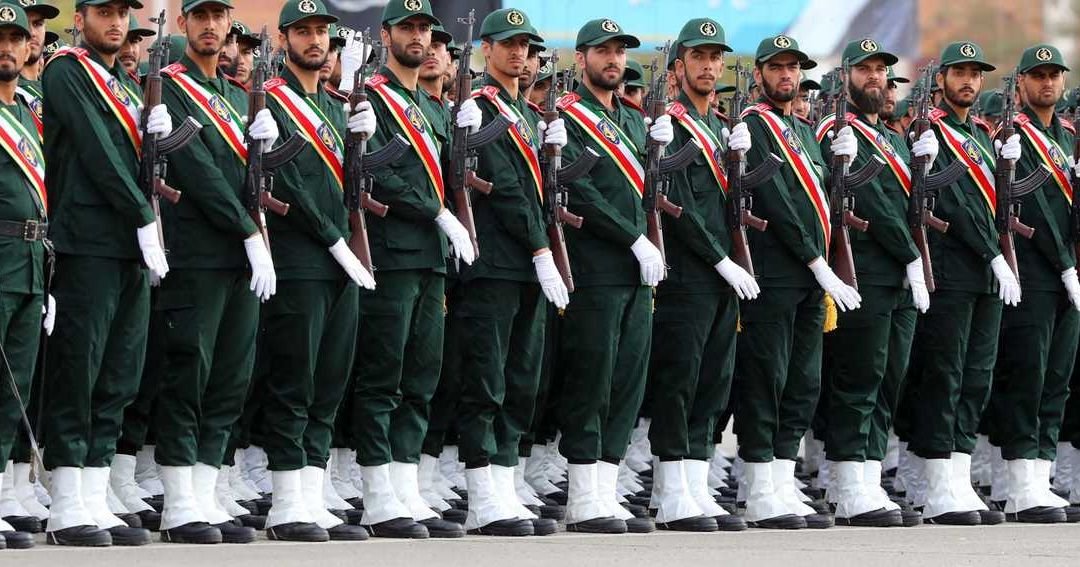
Iran has utilized the period of relative calm since June to significantly bolster its military capabilities and consolidate the internal influence of the Islamic Revolutionary Guard Corps (IRGC), signaling a strategic pivot toward a state of prolonged regional confrontation. According to emerging security analysis, the Iranian state is undergoing a comprehensive restructuring characterized by the deepening of the IRGC’s dominance over domestic affairs, effectively aligning the country’s internal infrastructure with its external military objectives.
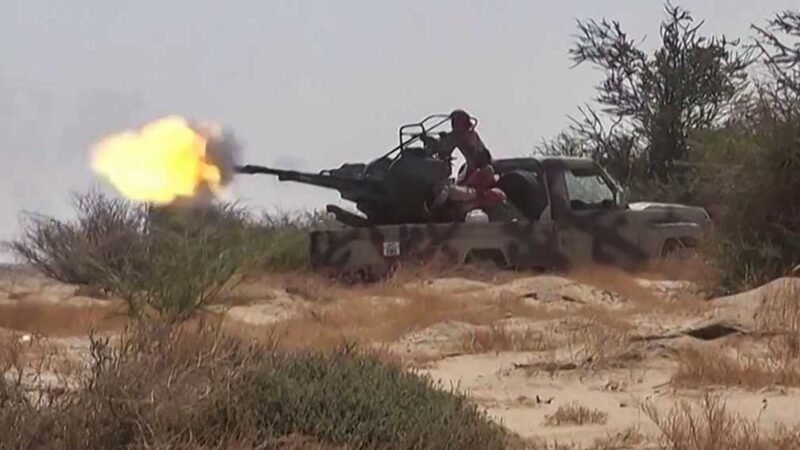
This shift is marked by a measurable increase in the production of advanced weaponry, specifically long-range missiles and unmanned aerial vehicles. These assets are considered central to Tehran’s deterrence strategy and its ability to project power across its extended network of influence. By upgrading these manufacturing capacities, Iran is signaling that it is preparing for a sustained period of high-intensity operational readiness, aimed at countering regional adversaries and maintaining the viability of its satellite fronts.
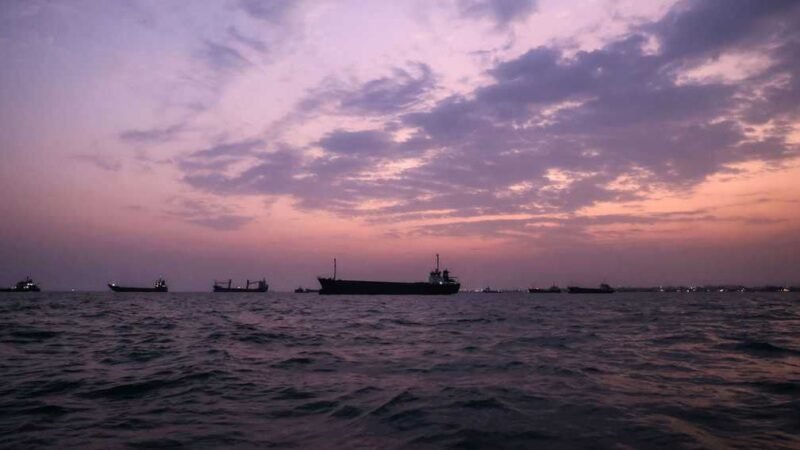
Central to this strategy is the systematic integration of various regional fronts. Iran has accelerated efforts to synchronize its activities across Iraq, Yemen, the Gulf, and the Red Sea. By fostering a more cohesive network among its regional proxies and aligned actors, the IRGC aims to ensure that its defensive and offensive capabilities remain resilient even in the face of persistent external pressure. The move to connect these disparate geographical theaters suggests an evolving doctrine where the IRGC functions as both the architect of foreign military strategy and the primary stabilizer of the state’s internal political environment.
The consolidation of the IRGC’s role within the Iranian state apparatus serves to unify decision-making processes under a singular military-ideological framework. This alignment is designed to insulate the regime against potential domestic instability while simultaneously providing the agility required to manage a multi-front regional conflict. As the state reorients its focus toward a model of permanent readiness, the influence of the IRGC is expected to permeate deeper into the socioeconomic and political sectors of the nation.
For regional stakeholders, this development underscores a period of increased unpredictability. The strategic focus on expanding the supply chain of missiles and drone technology indicates that Tehran does not anticipate a reduction in regional tensions. Instead, the current restructuring points toward a defensive-aggressive stance that prioritizes the capability to sustain long-term military engagements. As the IRGC tightens its grip on the mechanisms of state power, the trajectory of Iran’s foreign policy appears increasingly dictated by its commitment to maintaining this regional power projection, regardless of the challenges posed by external economic or diplomatic constraints. The coming months will likely see further evidence of this military-led domestic consolidation as Iran works to fortify its position within the complex security landscape of the Middle East.