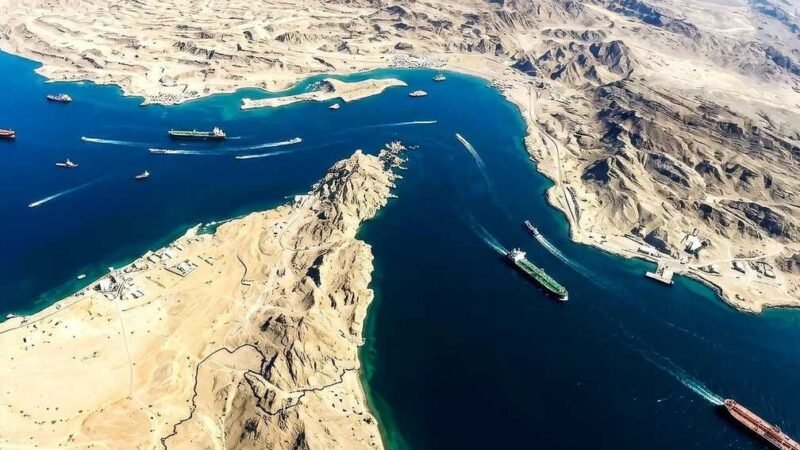


Strait of Hormuz Closure Triggers Fertilizer Price Hikes in Japan

The effective closure of the Strait of Hormuz is creating significant ripple effects for global supply chains, with Japan emerging as one of the nations most immediately impacted by the resulting logistical bottlenecks. As one of the world’s most critical maritime chokepoints, the disruption of passage through this vital corridor has directly impeded the flow of essential agricultural inputs, leading to a sharp rise in the costs of imported fertilizer for Japanese farmers.
For the Japanese agricultural sector, the reliance on stable supply chains passing through the Middle East is a matter of profound economic and domestic stability. Fertilizer products, which are foundational to the nation’s crop yields and overall agricultural output, are now subject to increased surcharges and logistical premiums. These additional financial burdens on producers are increasingly being passed down the supply chain, threatening the stability of domestic food prices.
Market analysts and industry observers note that the instability at the Strait of Hormuz—a primary artery for the energy and chemical sectors—has fundamentally altered the cost structure of importing specialized fertilizers. Because these products often rely on raw materials sourced from regions connected by this maritime path, the inability to guarantee transit has forced importers to seek alternative, more expensive routes or manage significant inventory shortages.
This development highlights the delicate nature of Japan’s food security strategy, which remains heavily dependent on international maritime trade. The current situation serves as a stark illustration of how regional instability in the Middle East can manifest as a direct economic challenge in East Asia. Japanese agricultural organizations have expressed growing concern that, should the closure persist or worsen, the cumulative effect of rising input costs could diminish the viability of small-to-medium-scale farming operations across the archipelago.
While policymakers in Japan continue to monitor the situation, the immediate economic reality is one of inflation for essential farming inputs. The direct link between the security of the Strait of Hormuz and the domestic prices faced by Japanese producers remains a central point of concern, underlining the interconnected nature of global trade and the vulnerability of national agricultural sectors to regional volatility in the Middle East. As the situation evolves, the focus for stakeholders remains on the potential for long-term supply chain disruptions and the subsequent impacts on food security and agricultural inflation throughout the country.