

Strait of Hormuz Dynamics Shift as Iranian Economic Pressures Mount
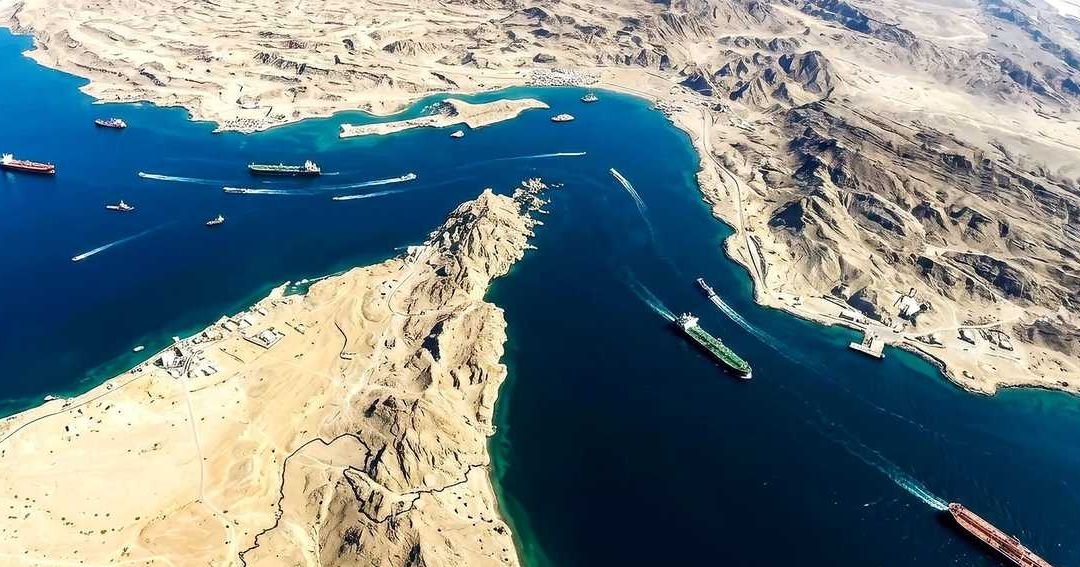
The Strait of Hormuz, long characterized as a pivotal strategic chokepoint in Tehran’s geopolitical arsenal, is witnessing a significant shift in its utility as Iran faces mounting internal economic instability. Historically, the Iranian leadership has leveraged the potential closure of this maritime artery as a means of exerting pressure on global energy markets, frequently described as a ‘knife at the throat’ of the international community. However, current developments suggest that this policy is losing its efficacy, transforming from a tool of projection into a source of strategic vulnerability for Tehran.
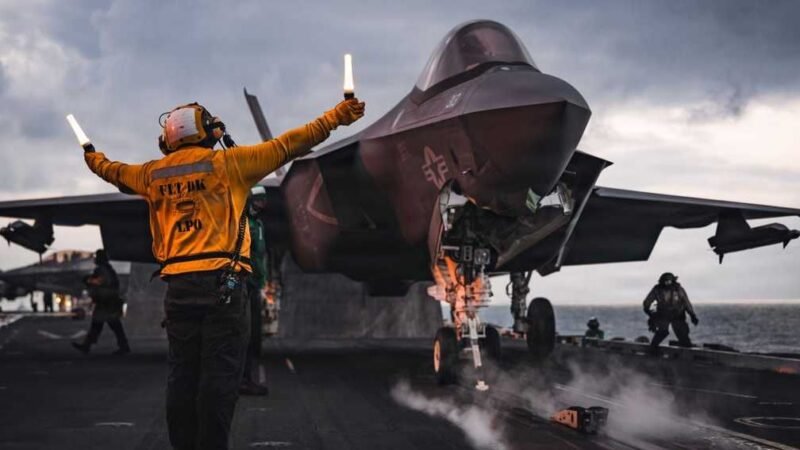
Global energy markets are currently demonstrating a notable resilience, with oil flows through the Strait continuing to stabilize under the protection of international naval assets, led by United States-backed efforts. This development has effectively blunted the impact of previous Iranian threats to disrupt maritime traffic. As international maritime security remains robust, the ability of Tehran to dictate terms through the threat of blockade has diminished, forcing the Iranian government to confront the reality that its primary geopolitical lever is failing to yield the intended influence on the global stage.
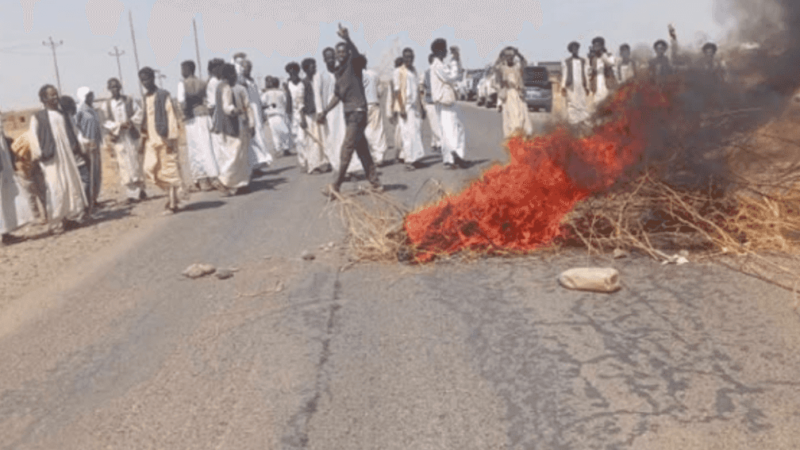
This shift in strategic dynamics coincides with a period of severe economic hardship within Iran. The country is grappling with persistent inflationary pressures, currency devaluation, and the broader consequences of international economic isolation. Domestic frustration is rising as the promised benefits of state-led geopolitical posturing fail to materialize in the form of improved living standards or sustainable economic growth. The disconnect between Tehran’s aggressive rhetoric regarding the Strait and the harsh reality of its domestic fiscal crisis has become increasingly apparent to the populace.
Analysts suggest that the changing nature of the global oil market, which has diversified its security arrangements and logistics, has left Iran with fewer options to leverage energy as a diplomatic tool. As the global economy continues to navigate through these secure, monitored supply chains, the strategic importance of Iran’s control over the waterway is being recalibrated by international stakeholders.
For Tehran, the challenge is twofold: maintaining the relevance of its influence in the face of evolving maritime security architectures, and addressing a domestic economic decline that threatens internal stability. The perception of the Strait of Hormuz as a ‘knife’ is now being turned inward, as the economic costs of maintaining this confrontational stance weigh ever more heavily on the state budget. With limited room to maneuver on the international front and dwindling public patience at home, the Iranian leadership finds itself in a precarious position where its most potent traditional threat may no longer be enough to secure its long-term strategic interests.