

Evidence Suggests Potential Chemical Weapon Use in Sudan War
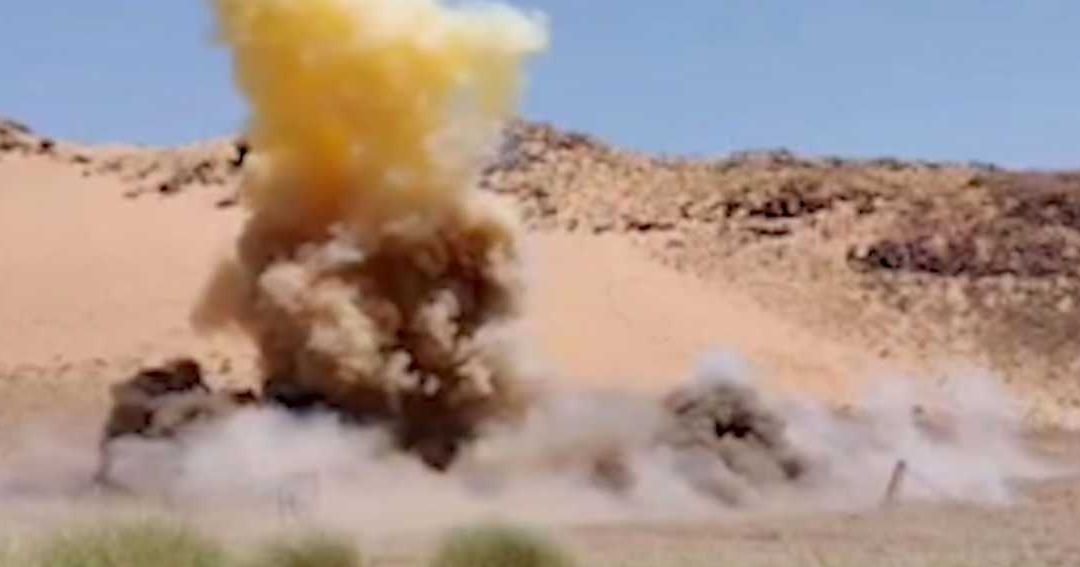
New findings have emerged regarding the ongoing conflict in Sudan, as investigations by former officials associated with the Organization for the Prohibition of Chemical Weapons (OPCW) suggest the potential use of chemical agents by the Sudanese Armed Forces. The evidence, which has surfaced as the brutal civil war continues to destabilize the nation, raises serious concerns regarding the methods employed by the military in its campaign against opposing forces.
While the conflict, which began in April 2023, has already resulted in a profound humanitarian catastrophe, characterized by widespread displacement, famine, and systemic violence, the involvement of chemical weaponry represents a significant and dangerous escalation. The experts involved in the investigation have pointed toward specific indicators that suggest the utilization of restricted substances during battlefield operations. These allegations are particularly alarming given the international conventions against the production, stockpiling, and use of chemical arms.
Sudan has been engulfed in a power struggle between the Sudanese Armed Forces, led by General Abdel Fattah al-Burhan, and the Rapid Support Forces (RSF), commanded by Mohamed Hamdan Dagalo, known as Hemedti. The war has decimated the country’s infrastructure and created one of the world’s largest displacement crises, with millions of civilians forced to flee their homes. The potential deployment of chemical weapons adds a new layer of complexity to the security landscape of the region, which is already grappling with the fallout of the Sudanese conflict’s spillover into neighboring states.
The disclosure of these findings puts additional pressure on the international community to investigate the conduct of the warring parties. As the humanitarian situation continues to deteriorate, international observers have warned that the use of such weapons would constitute a severe violation of international law and international humanitarian standards. The allegations are likely to intensify calls for an independent, thorough, and transparent inquiry into the military’s supply chains and tactical choices.
For many in the region and beyond, the prospect of chemical warfare in Sudan underscores the desperation of the conflict and the inadequacy of current diplomatic efforts to achieve a ceasefire. As the Sudanese military remains a primary actor in the conflict, these allegations directly impact the ongoing efforts to hold combatants accountable for atrocities. The focus now shifts to whether international monitors can gain the necessary access to conflict zones to verify the presence of prohibited substances and whether such evidence will lead to concrete consequences for the perpetrators involved in the ongoing violence.